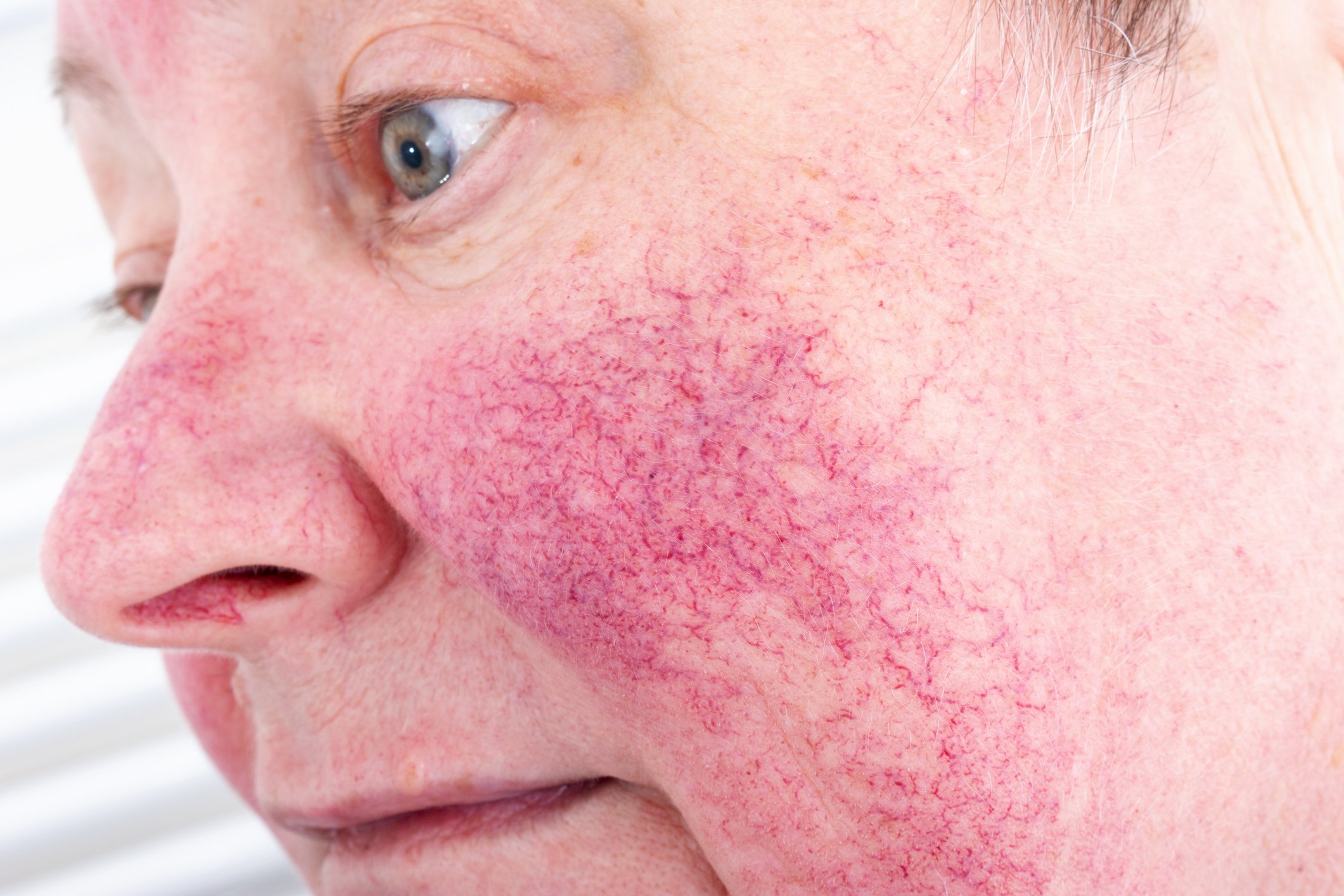
Several risk factors and triggers are known to contribute to the different clinical manifestations of rosacea by activating or modulating neurovascular or immunological processes. Thanks to advances in research into the factors involved in the pathogenesis, the complexity of the disease is increasingly better understood at the molecular level. This is also reflected in the availability of Phase III data on several drug candidates for rosacea. Some of these innovative active substances have now been approved in the USA.
Autoren
- Mirjam Peter, M.Sc.
Publikation
- DERMATOLOGIE PRAXIS

Related Topics
You May Also Like
- Adrenogenital syndrome
Clinical care from birth to adulthood
- New approvals, current study data and ADC development
Antibody-drug conjugates in gynecologic oncology
- From symptom to diagnosis
Pneumology – Covid-19: a review
- Abdominal aortic aneurysms in primary care
Risk-stratified screening and prophylaxis
- Cardiology
Minimally invasive – the quiet triumph of modern heart surgery
- Plastic surgery and reconstructive microsurgery for DFS
Functional limb preservation between infection control, vascular medicine and resurfacing
- Age-related neurocognitive disorders