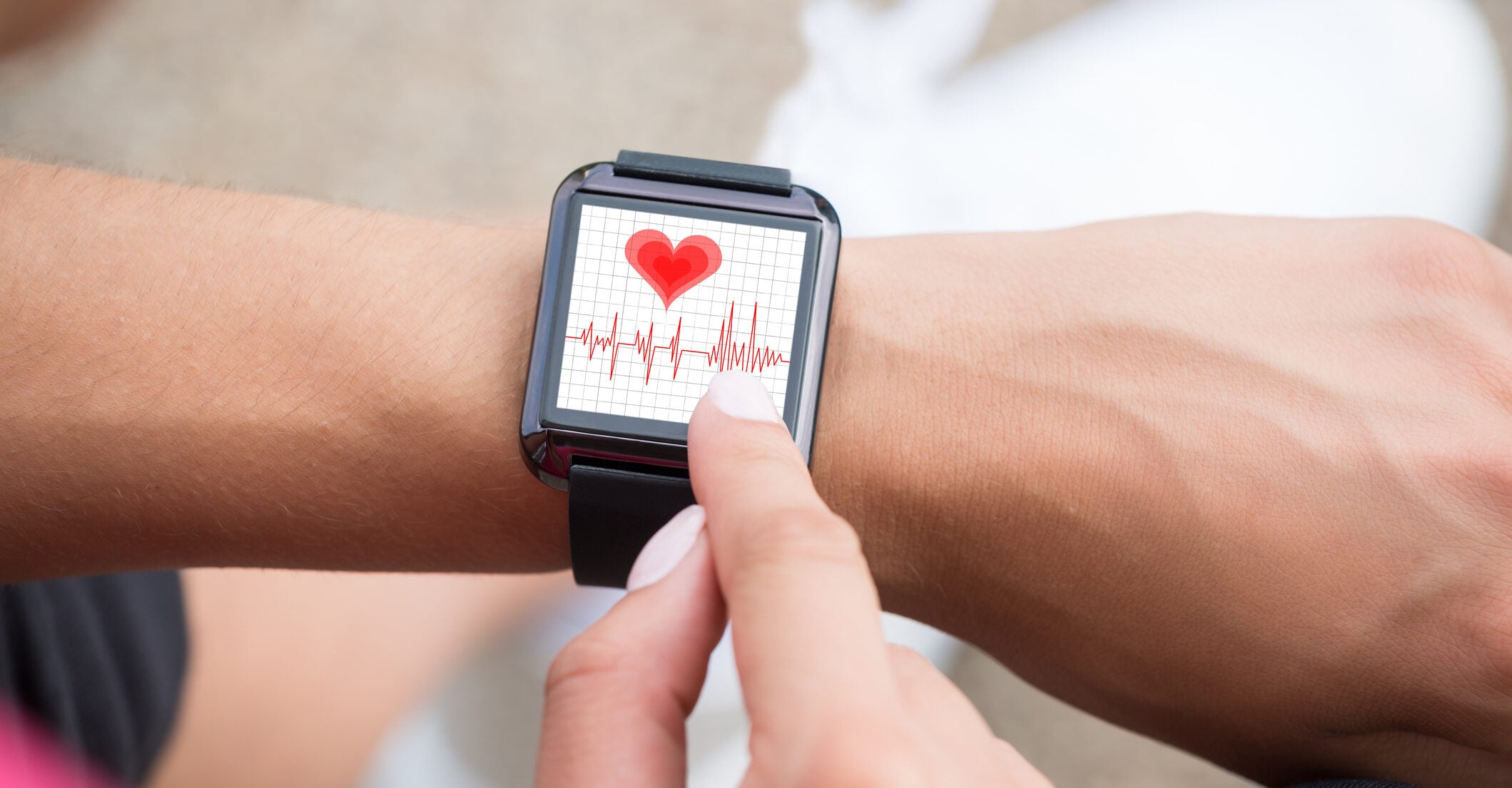
The use of smartwatches and AI-powered algorithms can facilitate the detection of atrial fibrillation, but a medical evaluation is still required. Innovative approaches such as the “Basel Wearable Clinic” enable efficient remote assessment of patient data. For specific clinical questions—such as after a stroke or in cases of unexplained fainting spells—long-term ECG patches or implantable loop recorders remain the gold standard due to their higher precision. The use of traditional 24-hour Holter ECGs, on the other hand, is declining.
Autoren
- Mirjam Peter, M.Sc.
Publikation
- HAUSARZT PRAXIS

Related Topics
You May Also Like
- Chronic Urticaria: Treatment for Patients Unresponsive to Antihistamines
In addition to anti-IgE antibodies, the guideline recommends anti-IL-4α antibodies and BTK inhibition
- Type 1 Diabetes in Childhood
Early Impairment of Glucagon Counterregulation
- Psychosis in Parkinson's Disease
Be Careful When Choosing Medications
- Esophageal Cancer
A Comparison of Endoscopic and Surgical Innovations
- PMR and LVV: Current EULAR Recommendations
Polymyalgia rheumatica, giant cell arteritis, and Takayasu arteritis
- Cellular and Systemic Iron Homeostasis
“Steady State” – a delicately balanced equilibrium
- Psychedelic-assisted therapy
Current status of PAT
- First-line treatment for T2D