Medizinonline Medizinonline
  • News
    • News
    • Market & Medicine
  • Patients
    • Disease patterns
    • Diagnostics
    • Therapy
  • Partner Content
    • Diabetes
      • Dia-Month Club – Type 2 Diabetes
      • Diabetes in Motion
      • Diabetes Podcasts
    • Gastroenterology
      • IBD matters
    • Oncology
      • Swiss Oncology in motion
    • Orthopedics
      • Osteoporosis in motion
  • Departments
    • Allergology and clinical immunology
    • General Internal Medicine
    • Anesthesiology
    • Angiology
    • Surgery
    • Dermatology and venereology
    • Endocrinology and Diabetology
    • Nutrition
    • Gastroenterology and Hepatology
    • Genetics
    • Geriatrics
    • Gynecology
    • Hematology
    • Infectiology
    • Cardiology
    • Nephrology
    • Neurology
    • Emergency and intensive care medicine
    • Nuclear Medicine
    • Oncology
    • Ophthalmology
    • ORL
    • Orthopedics
    • Pediatrics
    • Pharmacology and toxicology
    • Pharmaceutical medicine
    • Phlebology
    • Physical medicine and rehabilitation
    • Pneumology
    • Prevention and health care
    • Psychiatry and psychotherapy
    • Radiology
    • Forensic Medicine
    • Rheumatology
    • Sports Medicine
    • Traumatology and trauma surgery
    • Tropical and travel medicine
    • Urology
    • Dentistry
  • CME & Congresses
    • CME continuing education
    • Congress Reports
    • Congress calendar
  • Practice
    • Noctimed
    • Practice Management
    • Jobs
    • Interviews
  • Log In
  • Register
  • My account
  • Contact
  • Publications
  • Contact
  • Deutsch
  • English
  • Français
  • Italiano
  • Português
  • Español
Subscribe
Medizinonline Medizinonline
  • News
    • News
    • Market & Medicine
  • Patienten
    • Krankheitsbilder
    • Diagnostik
    • Therapie
  • Partner Content
    • Diabetes
      • Dia-Month Club – Type 2 Diabetes
      • Diabetes in Motion
      • Diabetes Podcasts
    • Gastroenterology
      • IBD matters
    • Oncology
      • Swiss Oncology in motion
    • Orthopedics
      • Osteoporosis in motion
    • Phytotherapie
    • Rheumatology
  • Departments
    • Fachbereiche 1-13
      • Allergology and clinical immunology
      • General Internal Medicine
      • Anesthesiology
      • Angiology
      • Surgery
      • Dermatology and venereology
      • Endocrinology and Diabetology
      • Nutrition
      • Gastroenterology and Hepatology
      • Genetics
      • Geriatrics
      • Gynecology
      • Hematology
    • Fachbereiche 14-26
      • Infectiology
      • Cardiology
      • Nephrology
      • Neurology
      • Emergency and intensive care medicine
      • Nuclear Medicine
      • Oncology
      • Ophthalmology
      • ORL
      • Orthopedics
      • Pediatrics
      • Pharmacology and toxicology
      • Pharmaceutical medicine
    • Fachbereiche 26-38
      • Phlebology
      • Physical medicine and rehabilitation
      • Phytotherapy
      • Pneumology
      • Prevention and health care
      • Psychiatry and psychotherapy
      • Radiology
      • Forensic Medicine
      • Rheumatology
      • Sports Medicine
      • Traumatology and trauma surgery
      • Tropical and travel medicine
      • Urology
      • Dentistry
  • CME & Congresses
    • CME continuing education
    • Congress Reports
    • Congress calendar
  • Practice
    • Noctimed
    • Practice Management
    • Jobs
    • Interviews
Login

Sie haben noch keinen Account? Registrieren

  • Light skin cancer

What is the risk of a second tumor?

    • Dermatology and venereology
    • News
    • Oncology
    • RX
    • Studies
  • 2 minute read

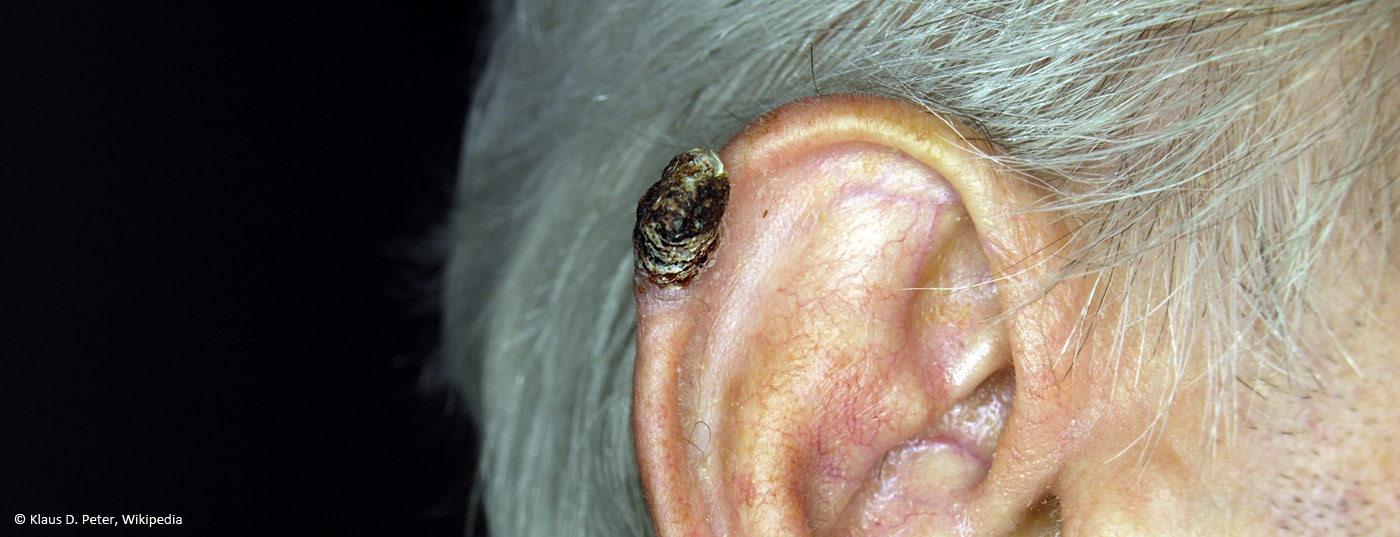
Patients with basal cell carcinoma or cutaneous squamous cell carcinoma often develop non-melanocytic skin cancer again in the follow-up period. The aim of a US study was to determine the timing and likelihood of such secondary diseases.

1284 patients with non-melanocytic tumor confirmed by biopsy were followed up prospectively for a median of 5.7 years. Individuals with basal cell nevus syndrome and immunosuppressed individuals were not part of the cohort. Results were evaluated separately for patients with initial diagnosis and patients who had previously had such a tumor (49.2%).

  • Patients with initial diagnosis of non-melanocytic skin cancer had a 14.5% chance of recurrence after one year. After three years, the probability was 31.1% and after five years, 40.7%.
  • Patients with a previous history of tumor had the following probability rates at the above time points: 43.9%, 71.1%, and 82.0%.
  • The two tumor types (basal cell carcinoma/squamous cell carcinoma) did not differ relevantly with respect to frequency or timing of new disease.
  • In patients first diagnosed without a subsequent tumor after two years, the probability of a subsequent tumor in the following year was 10.4%, and 18% two years later.
  • In patients first diagnosed without a subsequent tumor after four years, the probability of a subsequent tumor in the following year was 5.9%, and 10.8% two years later.

Important for the follow-up

According to the authors, information on second tumors is crucial, especially for planning follow-up. Better research should also be conducted on how biological aspects, lifestyle, or differences in the health care system contribute to the acquisition and detection of secondary tumors. Ongoing routine screening for recurrent disease is theoretically not necessary in all patients with nonmelanocytic tumors because some patients do not have recurrent disease. What distinguishes this cohort and how does it differ from the vulnerable group? Further research is warranted here to better define the screening population.

More aggressive screening efforts are particularly useful in individuals with previous diagnoses of light skin cancer. In addition, a preventive care education session must be conducted with all patients.

Source: Wehner MR, et al: Timing of Subsequent New Tumors in Patients Who Present With Basal Cell Carcinoma or Cutaneous Squamous Cell Carcinoma. JAMA Dermatol 2015; 151(4): 382-388.


InFo ONCOLOGY & HEMATOLOGY 2015; 3(7): 2.

Autoren
  • Andreas Grossmann
Publikation
  • InFo ONKOLOGIE & HÄMATOLOGIE
Related Topics
  • Basal cell carcinoma
  • Melanoma
  • Skin cancer
  • squamous cell carcinoma
Previous Article
  • Alternative medicine and atopic eczema

Scientific data on the individual methods

  • Allergology and clinical immunology
  • Dermatology and venereology
  • Education
  • Pediatrics
  • RX
View Post
Next Article
  • Epilepsy

What sports activity is possible?

  • Education
  • Neurology
  • RX
View Post
You May Also Like
View Post
  • 4 min
  • HER2+ early breast cancer

DESTINY-Breast11 – neoadjuvant T-DXd without anthracyclines

    • Education
    • Gynecology
    • Oncology
    • RX
    • Studies
View Post
  • 3 min
  • Lavender aromatherapy

Take away the fear of the dentist

    • Dentistry
    • Education
    • Pharmaceutical medicine
    • Phytotherapy
    • Psychiatry and psychotherapy
    • RX
    • Studies
View Post
  • 4 min
  • Digital dermatology: innovative project examples

AI and eHealth tools in HS care

    • Dermatology and venereology
    • General Internal Medicine
    • Practice Management
    • Prevention and health care
    • RX
    • Studies
View Post
  • 5 min
  • Mantle cell lymphoma

Recurrence after BTK inhibition – prognostic factors and treatment options

    • Education
    • Hematology
    • Oncology
    • RX
View Post
  • 3 min
  • Dementia risk with type 2 diabetes

SGLT2 inhibitors with advantages vs. DPP4 inhibitors

    • Education
    • Endocrinology and Diabetology
    • Geriatrics
    • Neurology
    • Pharmacology and toxicology
    • Psychiatry and psychotherapy
    • RX
    • Studies
View Post
  • 15 min
  • T helper 1 cells

Differentiation and activation of Th1 cells – a multi-omics approach

    • RX
    • CME continuing education
    • General Internal Medicine
    • Genetics
    • Prevention and health care
View Post
  • 4 min
  • Cannabis for schizophrenia

CBD pre-treatment could exacerbate side effects

    • Education
    • Pharmacology and toxicology
    • Phytotherapy
    • Psychiatry and psychotherapy
    • RX
    • Studies
View Post
  • 11 min
  • Type 2 diabetes: cardiovascular risk reduction is realistic

Modern active ingredients and lifestyle – every step counts

    • Cardiology
    • Congress Reports
    • Endocrinology and Diabetology
    • Prevention and health care
    • RX
    • Studies
  • IBD matters

    Zum Thema
Top CME content
  • 1
    Communication as the key to therapy adherence
  • 2
    Solutions to the malnutrition dilemma
  • 3
    Solutions to the malnutrition dilemma
  • 4
    Focus on preventive care options
  • 5
    Fertility preservation from gonads to genomes to genoids

Newsletter

Sign up and stay up to date

Subscribe
Medizinonline Medizinonline
  • Contact
  • General terms and conditions
  • Imprint

Input your search keywords and press Enter.