Medizinonline Medizinonline
  • News
    • News
    • Market & Medicine
  • Patients
    • Disease patterns
    • Diagnostics
    • Therapy
  • Partner Content
    • Dermatology
      • Atopic dermatitis and psoriasis news
    • Diabetes
      • Dia-Month Club – Type 2 Diabetes
      • Diabetes in Motion
      • Diabetes Podcasts
    • Gastroenterology
      • IBD matters
    • Oncology
      • Swiss Oncology in motion
    • Orthopedics
      • Osteoporosis in motion
  • Departments
    • Allergology and clinical immunology
    • General Internal Medicine
    • Anesthesiology
    • Angiology
    • Surgery
    • Dermatology and venereology
    • Endocrinology and Diabetology
    • Nutrition
    • Gastroenterology and Hepatology
    • Genetics
    • Geriatrics
    • Gynecology
    • Hematology
    • Infectiology
    • Cardiology
    • Nephrology
    • Neurology
    • Emergency and intensive care medicine
    • Nuclear Medicine
    • Oncology
    • Ophthalmology
    • ORL
    • Orthopedics
    • Pediatrics
    • Pharmacology and toxicology
    • Pharmaceutical medicine
    • Phlebology
    • Physical medicine and rehabilitation
    • Pneumology
    • Prevention and health care
    • Psychiatry and psychotherapy
    • Radiology
    • Forensic Medicine
    • Rheumatology
    • Sports Medicine
    • Traumatology and trauma surgery
    • Tropical and travel medicine
    • Urology
    • Dentistry
  • CME & Congresses
    • CME continuing education
    • Congress Reports
    • Congress calendar
  • Practice
    • Noctimed
    • Practice Management
    • Jobs
    • Interviews
  • Log In
  • Register
  • My account
  • Contact
  • Publications
  • Contact
  • Deutsch
  • English
  • Français
  • Italiano
  • Português
  • Español
Subscribe
Medizinonline Medizinonline
  • News
    • News
    • Market & Medicine
  • Patienten
    • Krankheitsbilder
    • Diagnostik
    • Therapie
  • Partner Content
    • Dermatology
      • Atopic dermatitis and psoriasis news
    • Diabetes
      • Dia-Month Club – Type 2 Diabetes
      • Diabetes in Motion
      • Diabetes Podcasts
    • Gastroenterology
      • IBD matters
    • Oncology
      • Swiss Oncology in motion
    • Orthopedics
      • Osteoporosis in motion
    • Phytotherapie
    • Rheumatology
  • Departments
    • Fachbereiche 1-13
      • Allergology and clinical immunology
      • General Internal Medicine
      • Anesthesiology
      • Angiology
      • Surgery
      • Dermatology and venereology
      • Endocrinology and Diabetology
      • Nutrition
      • Gastroenterology and Hepatology
      • Genetics
      • Geriatrics
      • Gynecology
      • Hematology
    • Fachbereiche 14-26
      • Infectiology
      • Cardiology
      • Nephrology
      • Neurology
      • Emergency and intensive care medicine
      • Nuclear Medicine
      • Oncology
      • Ophthalmology
      • ORL
      • Orthopedics
      • Pediatrics
      • Pharmacology and toxicology
      • Pharmaceutical medicine
    • Fachbereiche 26-38
      • Phlebology
      • Physical medicine and rehabilitation
      • Phytotherapy
      • Pneumology
      • Prevention and health care
      • Psychiatry and psychotherapy
      • Radiology
      • Forensic Medicine
      • Rheumatology
      • Sports Medicine
      • Traumatology and trauma surgery
      • Tropical and travel medicine
      • Urology
      • Dentistry
  • CME & Congresses
    • CME continuing education
    • Congress Reports
    • Congress calendar
  • Practice
    • Noctimed
    • Practice Management
    • Jobs
    • Interviews
Login

Sie haben noch keinen Account? Registrieren

  • Migraine

Prophylaxis or acute therapy: focus on severe migraine

    • Congress Reports
    • General Internal Medicine
    • Neurology
    • RX
  • 2 minute read

Migraine, along with tension headache, is one of the most common of the more than 240 types of headache and significantly limits the quality of life and daily routine of those affected. However, the complex disease is still frequently underestimated and is correspondingly under-treated. An effective therapy management as well as an optimized prophylaxis, which are mainly used in severe forms of migraine, are indicated.

In recent years, improved characterization and diagnosis of clinical features has allowed a more differentiated view of migraine as a complex disorder. One consequence of this is a better and individually tailored therapy regime. For acute therapy, analgesics are available, which alone or in combination with, for example, caffeine, can well curb mild attacks of pain. Triptans have been developed for moderate to severe pain. They mimic the function of the neurotransmitter serotonin in the brain.

Triptans for acute therapy

As a rule, tablets are prescribed as standard. However, triptans are also available as melting tablets, nasal spray of s.c. injection. Depending on the galenics, the effect occurs with varying speed and strength. To achieve effective pain relief, it should be taken as early as possible. And this is precisely where there is often a problem. It is not uncommon for migraine patients to wake up in the morning, already in the middle of the pain attack. Or accompanying symptoms such as nausea and vomiting are so severe that taking tablets is out of the question. In addition, it should be kept in mind that intestinal motility is reduced during migraine, making absorption more difficult. Studies revealed that about half of patients on oral migraine acute therapy are not pain-free two hours after taking it. An even larger percentage is not satisfied with the effect of the treatment. Here, a change to another dosage form should be considered earlier. Subcutaneous administration in particular has advantages, as it bypasses the gastrointestinal passage and enables a rapid onset of action.

Severe migraine attacks under control

Inadequate acute therapy can have far-reaching consequences. This is because it is not uncommon for overuse of pain medications to lead to painkiller-induced headaches. This phenomenon is present in 75% of all patients with chronic migraine. In this case, it is important to phase out the painkillers as a first step and then start effective prophylaxis. Preventive treatment may also be considered for patients with increased attack frequency. This should be multimodal in design and include lifestyle and behavioral changes as well as effective pharmacologic care. In addition to antidepressants, anticonvulsants, beta blockers, calcium antagonists and natural substances, CGRP antibodies have recently become available for this purpose. These are characterized by their ability to specifically address the pathophysiology of migraine. Release of excitatory neurotransmitters such as calcitonin gene-related peptide (CGRP) triggers perivascular inflammation that stimulates afferent nociceptive C-fibers. These transmit the signal back to the trigeminal nerve. A vicious circle begins. By blocking the CGRP receptors, migraine pain can be counteracted highly effectively in advance.

Source: German Pain Congress


InFo NEUROLOGY & PSYCHIATRY 2020; 18(6): 28 (published 11/28/20, ahead of print).
Autoren
  • Leoni Burggraf
Publikation
  • InFo NEUROLOGIE & PSYCHIATRIE
Related Topics
  • CGRP
  • migraine
  • Triptans
Previous Article
  • Smoking cessation

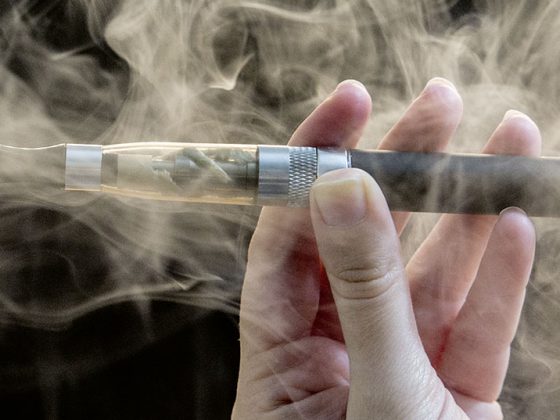
Alternatives to the conventional cigarette – what is there and what can they do?

  • Education
  • General Internal Medicine
  • Pharmacology and toxicology
  • Pneumology
  • Prevention and health care
  • RX
  • Studies
View Post
Next Article
  • Psoriasis

Screening is useful for psychological stress

  • Dermatology and venereology
  • Education
  • Psychiatry and psychotherapy
  • RX
View Post
You May Also Like
View Post
  • 14 min
  • New approvals, current study data and ADC development

Antibody-drug conjugates in gynecologic oncology

    • Education
    • Gynecology
    • Oncology
    • RX
    • Studies
View Post
  • 5 min
  • From symptom to diagnosis

Pneumology – Covid-19: a review

    • Cases
    • Education
    • Infectiology
    • Pneumology
    • Prevention and health care
    • Radiology
    • RX
View Post
  • 6 min
  • Abdominal aortic aneurysms in primary care

Risk-stratified screening and prophylaxis

    • Angiology
    • Congress Reports
    • Prevention and health care
    • Radiology
    • RX
    • Studies
    • Surgery
View Post
  • 9 min
  • Cardiology

Minimally invasive – the quiet triumph of modern heart surgery

    • Cardiology
    • CME continuing education
    • RX
    • Studies
    • Surgery
View Post
  • 0 min
  • Plastic surgery and reconstructive microsurgery for DFS

Functional limb preservation between infection control, vascular medicine and resurfacing

    • Angiology
    • CME continuing education
    • Endocrinology and Diabetology
    • General Internal Medicine
    • Geriatrics
    • Physical medicine and rehabilitation
    • RX
    • Surgery
View Post
  • 6 min
  • Age-related neurocognitive disorders

Neuroprotective effects of Ginkgo biloba extract

    • Education
    • Geriatrics
    • Neurology
    • Pharmaceutical medicine
    • Phytotherapy
    • RX
    • Studies
View Post
  • 6 min
    • Education
    • Endocrinology and Diabetology
    • Pneumology
    • Psychiatry and psychotherapy
    • RX
    • Studies

How origin and place of residence promote CF-associated diabetes

View Post
  • 10 min
  • Patients with leg swelling

DVT and other common DDs with peripheral edema

    • Angiology
    • Cardiology
    • Congress Reports
    • Geriatrics
    • RX
  • IBD matters

    Zum Thema
Top CME content
  • 1
    Functional limb preservation between infection control, vascular medicine and resurfacing
  • 2
    Minimally invasive – the quiet triumph of modern heart surgery
  • 3
    HPV prevention, screening innovation and sentinel lymph node biopsy
  • 4
    Clinical care from birth to adulthood
  • 5
    Multidisciplinary teams in oncology

Newsletter

Sign up and stay up to date

Subscribe
Medizinonline Medizinonline
  • Contact
  • General terms and conditions
  • Imprint

Input your search keywords and press Enter.