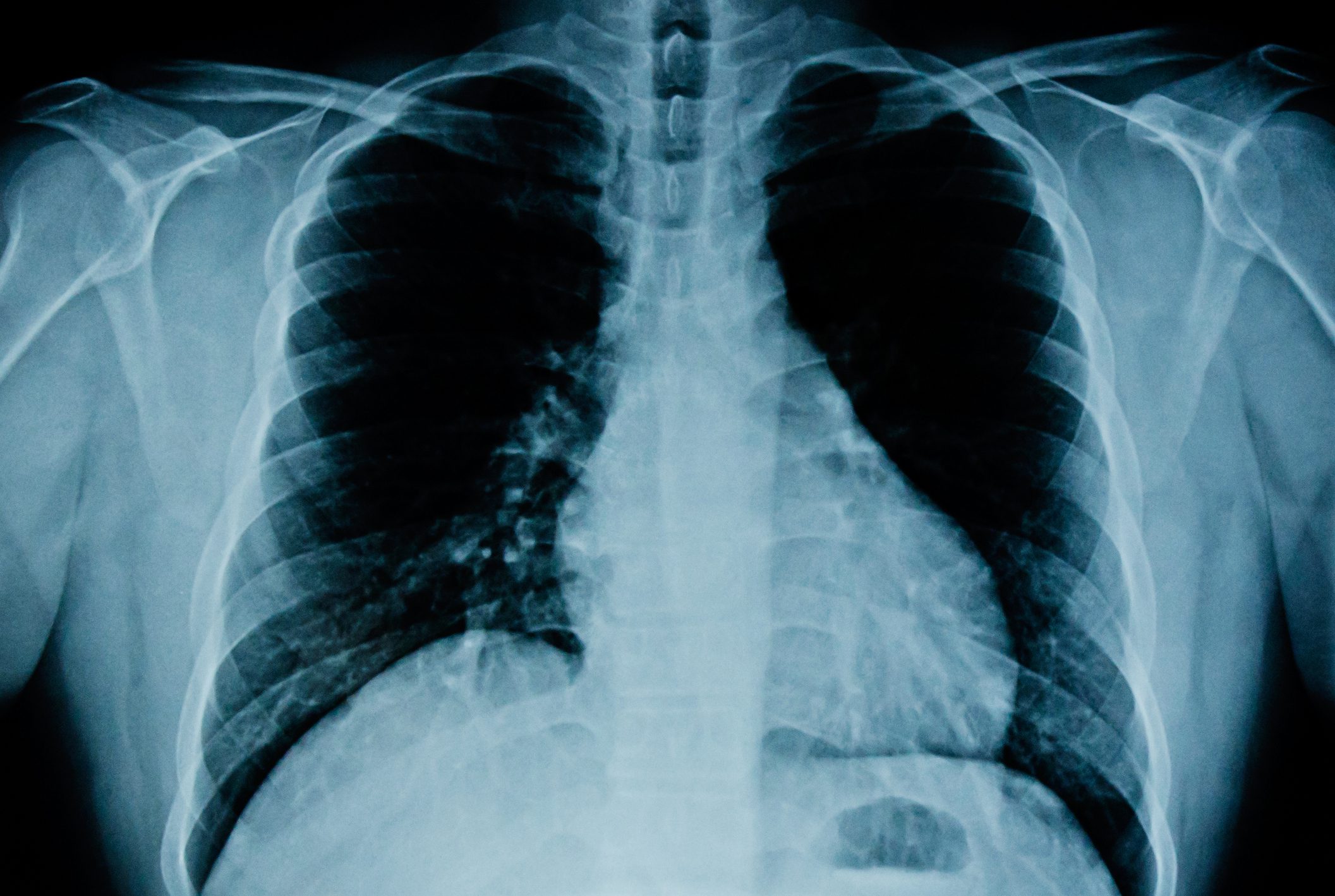
There are various reasons why patients with chronic lung diseases experience renewed exacerbations and associated rehospitalizations after discharge from hospital. The most vulnerable patient groups are those with comorbidities such as diabetes or cardiovascular disease. At system level, shortcomings in the transition to the outpatient setting and economic disincentives due to flat rates per case are some of the reasons. Measures that can help to reduce the risk of re-hospitalization include outpatient or inpatient rehabilitation for COPD and asthma patients.
Autoren
- Mirjam Peter, M.Sc.
Publikation
- HAUSARZT PRAXIS

Related Topics
You May Also Like
- Autoimmune Liver Diseases
Innovative Treatment Approaches for PBC, PSC, and AIH: What’s New?
- Myelofibrosis
Mutations and Molecular Diagnostics in Treatment Decisions
- Psoriasis in the Age of Precision Medicine
Systemic Therapy for Patients with Comorbidities: What Is the Best Choice?
- The AMALFI study and the limits of digital screening for atrial fibrillation
Remote monitoring for atrial fibrillation: lots of detection, little stroke prevention?
- MASH
Pharmacotherapies as “Game Changers”—What Are the Upcoming Challenges?
- Obesity Treatment
Oral GLP-1 Therapies: ATTAIN-1 and OASIS-4—The Next Leap Forward
- Older patients with atopic dermatitis
Why the Use of Biologics Is Recommended
- Disorders of the Gut-Brain Interaction