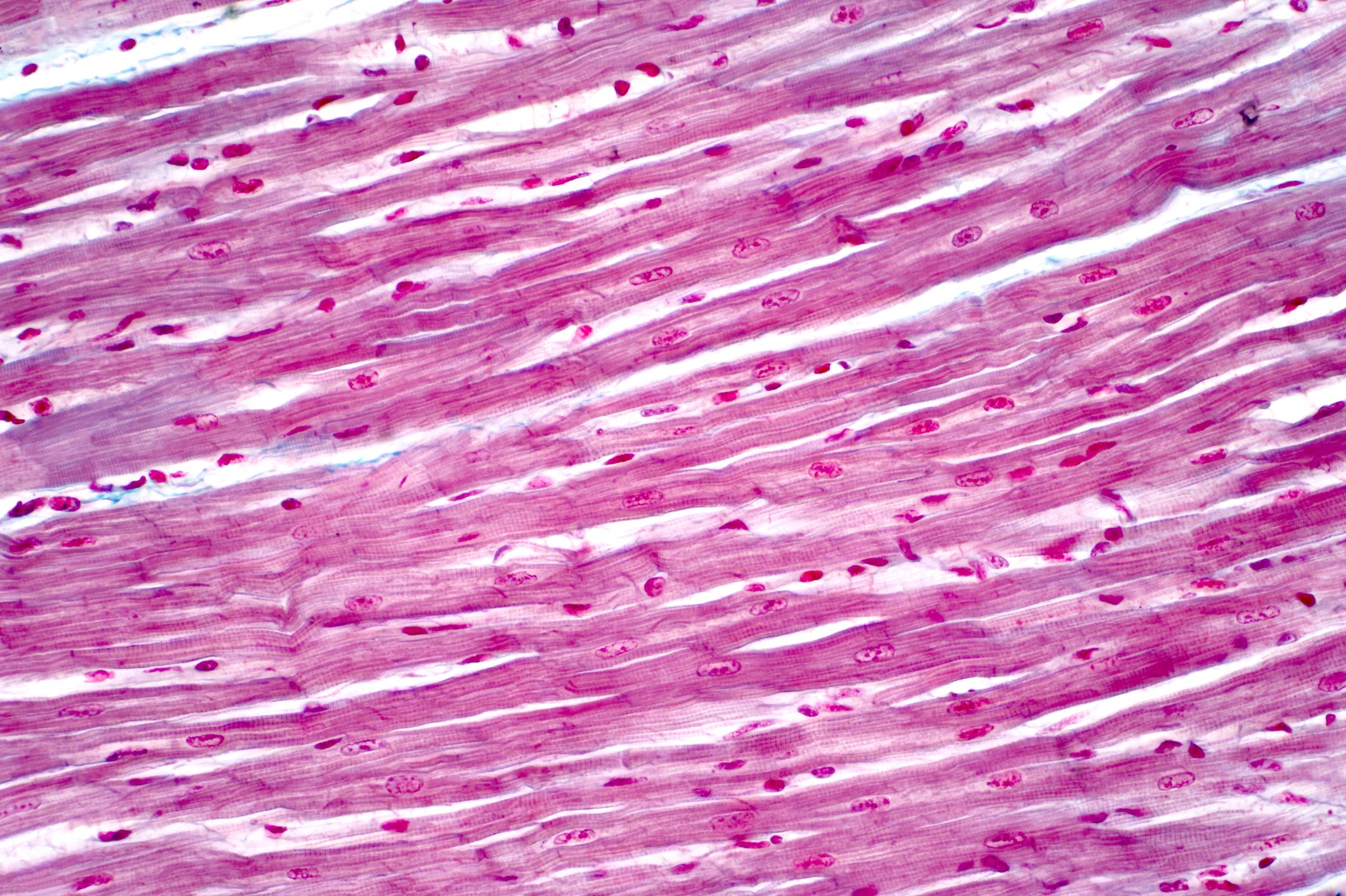
The heart is not just a mechanical pump, but a highly complex organ whose performance depends largely on finely tuned intracellular signaling networks in the cardiomyocytes. These signaling pathways constantly regulate processes such as contraction, calcium and energy metabolism, cell survival and regeneration. A healthy balance of these networks ensures that the heart can adapt its pumping capacity to changing physical demands. However, if individual signaling pathways suffer malfunctions, subclinical changes can develop unnoticed into serious diseases such as heart failure, arrhythmias or cardiomyopathies.
Autoren
- Tanja Schliebe
Publikation
- CARDIOVASC
You May Also Like
- "Forgotten axis" between plant substances, gut and systemic health
Microbiome and phytotherapy
- HIV: updated EACS guideline
Individualized approach to sustainable prevention and care
- Evidence-based diagnostics and treatment in the medical setting
Anxiety and depression disorders in adolescence
- Neuroenhancement
Can you swallow intelligence? Relevant substance classes times for healthy people
- Microbiome, inflammaging and affective/cognitive health
Gut-brain axis in old age
- Vitiligo - the level of suffering should not be underestimated
A lot can be achieved therapeutically nowadays
- Vector-borne infections with skin manifestations
Arboviruses and leishmaniasis in Europe
- Patient-centered rounds in medicine