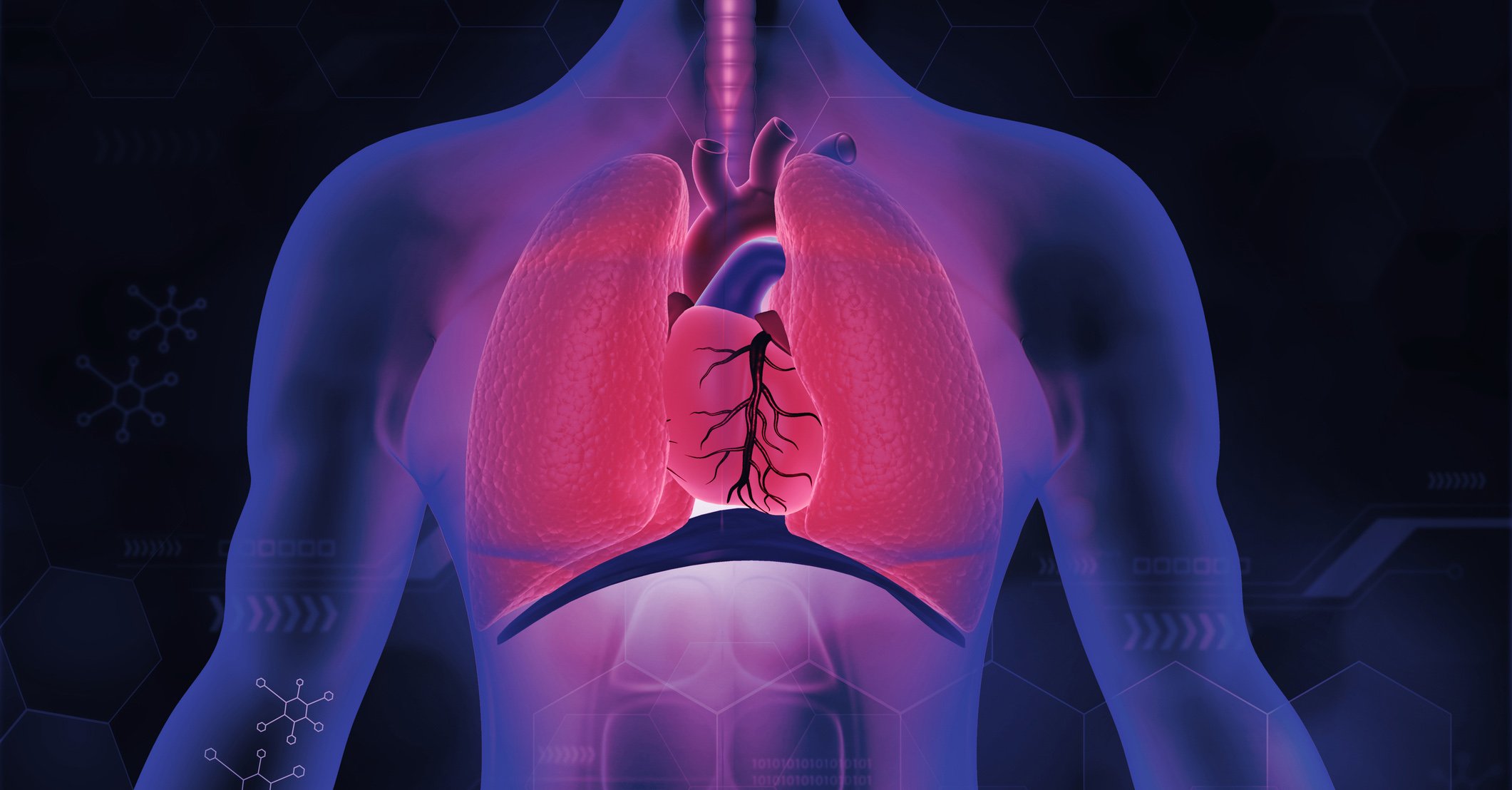
Pulmonary hypertension (PH) describes a hemodynamic condition with a pathological increase in pressure in the pulmonary vascular circulation. Clinically, PH causes reduced performance, shortness of breath, angina and syncope. Comprehensive diagnostics to exclude or classify the various underlying clinical pictures is essential, as the treatment of pulmonary hypertension sometimes differs considerably depending on the underlying disease.
Autoren
- Dr. med. Yaosi Li
- Dr. med. Daniel Grund
Publikation
- InFo PNEUMOLOGIE & ALLERGOLOGIE
Related Topics
You May Also Like
- Study report: Nicotinamide for skin cancer prevention
Cohort study analyzed data from over 30,000 patients
- Psychooncology
Communication as the key to therapy adherence
- How do weight loss interventions affect the muscles?
Reflective evaluation: do not neglect qualitative aspects
- From biomarkers to gene therapies
Getting to know ataxias
- Evidence-based therapy for psoriasis in difficult locations
IL-23 inhibition in scalp psoriasis: what’s new?
- Obesity in the family practice
Aim for realistic goals and avoid apportioning blame
- Evidence, pathophysiology and management in the light of current data
Heart failure with improved ejection fraction (HFimpEF)
- Early rheumatoid arthritis