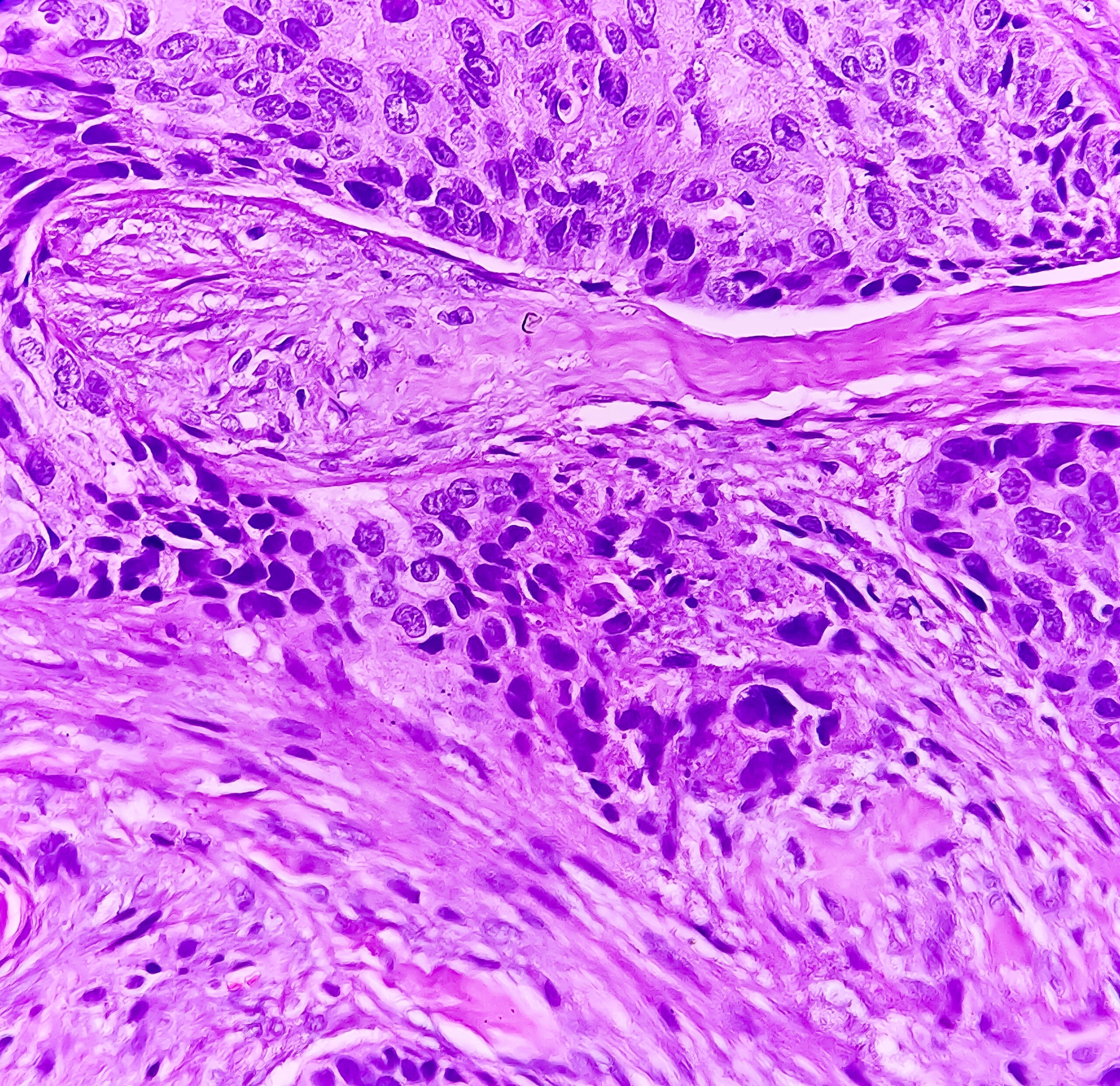
The combination of precise genome editing using CRISPR and AI-supported modeling of complex CNS damage marks a paradigm shift in neuroregeneration. Adaptive, closed therapy loops are designed to address multiple molecular and cellular barriers simultaneously.
Autoren
- Dr. Ulf Blanke
Publikation
- InFo NEUROLOGIE & PSYCHIATRIE

Related Topics
You May Also Like
- Baxdrostat – a new class of drugs for treating difficult-to-control hypertension
First Aldosterone Synthase Inhibitor Is Here
- Geriatric Small-Cell Lung Cancer
Therapeutic Challenges
- Chronic Pruritus in Renal, Hepatic, and Biliary Tract Diseases
Pooled Expertise for Targeted Evaluation and Treatment
- Advanced Thyroid Cancer
Molecular Mechanisms and New Therapeutic Approaches
- Epidermolysis bullosa
Promoting Wound Healing with Gene Therapies and Birch Bark Extract
- From Risk Identification to Anti-Inflammatory Intervention
Inflammation as a Treatment Goal in Its Own Right
- Psoriasis Research: What's in the Pipeline?
Highly selective oral TYK inhibitors in Phase III
- Cardiometabolism