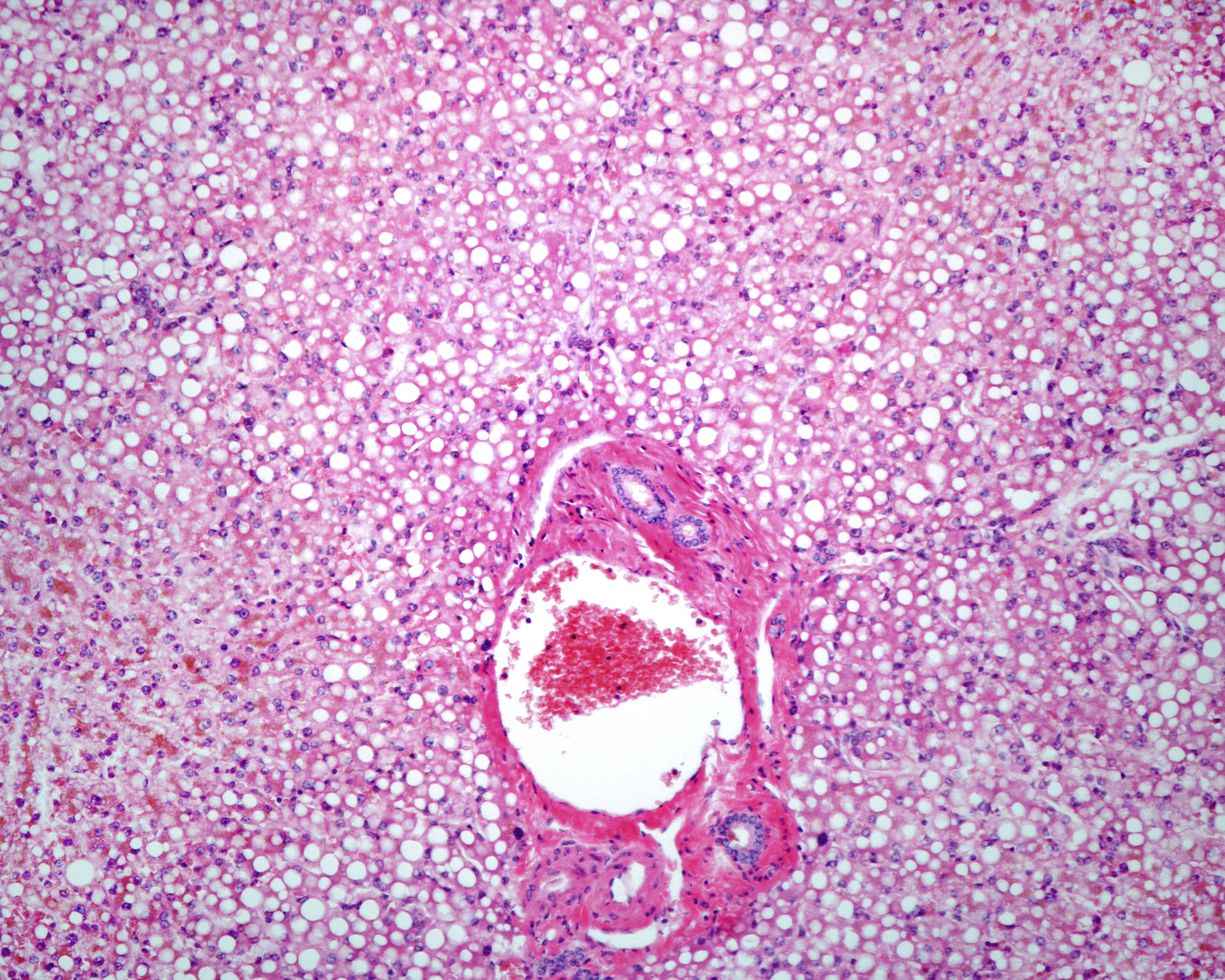
Over the last few decades, the incidence of steatotic liver disease has risen in parallel with the increase in obesity, diabetes and other metabolic diseases. It is recommended to screen patients at risk in a targeted manner. Significant progress has been made in the recent past. Recent studies have identified subtypes of MASLD with different cardiovascular risk profiles. In the field of drug therapy for MASH, an important breakthrough has been achieved with the FDA and EMA approval of resmetirome. However, the data situation for subcutaneously administered semaglutide is also promising, as current interim analyses show.
Autoren
- Mirjam Peter, M.Sc.
Publikation
- HAUSARZT PRAXIS

Related Topics
You May Also Like
- Cholangiocarcinoma
Modern molecular diagnostics and targeted therapy options
- Treatment resistant depression
Esketamine nasal spray as monotherapy? New for treatment-resistant depression
- Analysis of SNVCS data from the period 2005-2022
TBE vaccination for children and adolescents in Switzerland
- Tuberculosis
Detecting diabetes in TB patients early and efficiently
- Trichophyton indotineae
Terbinafine-resistant dermatophytoses are on the rise in Central Europe
- Peristomal skin health
Focus on preventive care options
- Disease-modifying therapies for ATTR-CM
TTR stabilizers, gene silencing and gene scissors: where do we stand?
- Proteins in wound healing