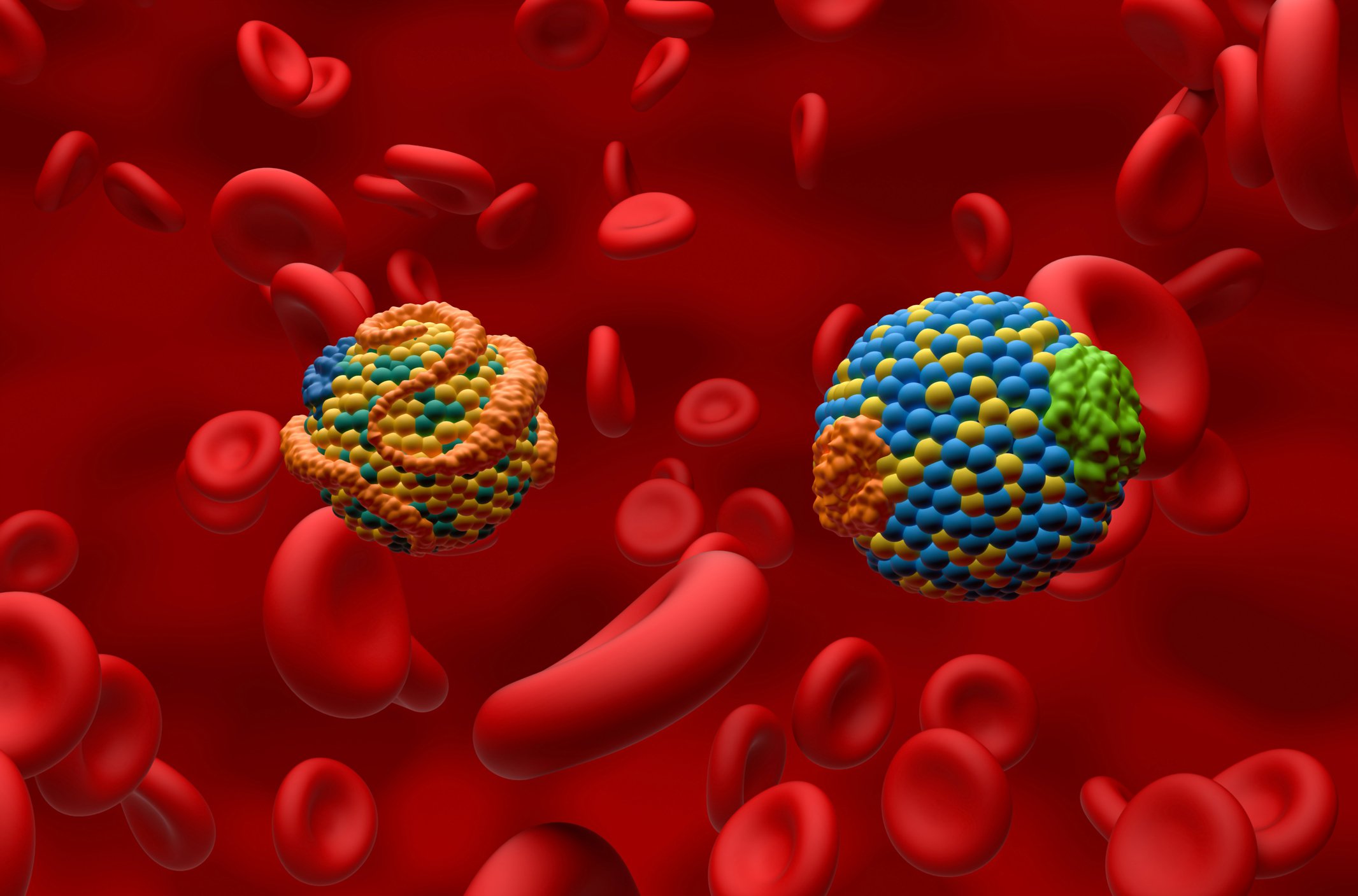
One in five people worldwide has a genetically elevated lipoprotein(a) – and knows nothing about it. Unlike LDL cholesterol, this independent, causally significant risk factor cannot be significantly influenced by diet, exercise or statins. This therapeutic gap has existed for decades. Now we are close to the turning point: RNA-based drugs reduce Lp(a) by up to 95%, and the first cardiac outcomes study, Lp(a)HORIZON, expects its results in the first half of 2026. The Focused Update of the ESC/EAS dyslipidemia guidelines published in 2025 anchors Lp(a) as a mandatory screening target for all adults for the first time.
You May Also Like
- Why lipoprotein(a) is the biggest therapeutic vacuum in cardiology
Lp(a): The underestimated risk factor before the turning point
- Modern system therapeutics for hidradenitis suppurativa
Immunological dysregulation in the sights of several biologics and “small molecules”
- Perimenopausal depression, PMDS and tokophobia
Psychosomatics and mental health in gynecology
- Plastic surgery and reconstructive microsurgery for DFS
Functional limb preservation between infection control, vascular medicine and resurfacing
- Proteins in wound healing
Do special amino acids lead to success?
- Polycystic ovary syndrome 2025/2026
New pathophysiology, updated diagnostics and the age of incretin mimetics
- Heart failure and type 2 diabetes
Oral semaglutide and cardiac decompensation in type 2 diabetes
- Atopic dermatitis as a door opener for an atopic cascade?