Medizinonline Medizinonline
  • News
    • News
    • Market & Medicine
  • Patients
    • Disease patterns
    • Diagnostics
    • Therapy
  • Partner Content
    • Diabetes
      • Dia-Month Club – Type 2 Diabetes
      • Diabetes in Motion
      • Diabetes Podcasts
    • Gastroenterology
      • IBD matters
    • Oncology
      • Swiss Oncology in motion
    • Orthopedics
      • Osteoporosis in motion
  • Departments
    • Allergology and clinical immunology
    • General Internal Medicine
    • Anesthesiology
    • Angiology
    • Surgery
    • Dermatology and venereology
    • Endocrinology and Diabetology
    • Nutrition
    • Gastroenterology and Hepatology
    • Genetics
    • Geriatrics
    • Gynecology
    • Hematology
    • Infectiology
    • Cardiology
    • Nephrology
    • Neurology
    • Emergency and intensive care medicine
    • Nuclear Medicine
    • Oncology
    • Ophthalmology
    • ORL
    • Orthopedics
    • Pediatrics
    • Pharmacology and toxicology
    • Pharmaceutical medicine
    • Phlebology
    • Physical medicine and rehabilitation
    • Pneumology
    • Prevention and health care
    • Psychiatry and psychotherapy
    • Radiology
    • Forensic Medicine
    • Rheumatology
    • Sports Medicine
    • Traumatology and trauma surgery
    • Tropical and travel medicine
    • Urology
    • Dentistry
  • CME & Congresses
    • CME continuing education
    • Congress Reports
    • Congress calendar
  • Practice
    • Noctimed
    • Practice Management
    • Jobs
    • Interviews
  • Log In
  • Register
  • My account
  • Contact
  • Publications
  • Contact
  • Deutsch
  • English
  • Français
  • Italiano
  • Português
  • Español
Subscribe
Medizinonline Medizinonline
  • News
    • News
    • Market & Medicine
  • Patienten
    • Krankheitsbilder
    • Diagnostik
    • Therapie
  • Partner Content
    • Diabetes
      • Dia-Month Club – Type 2 Diabetes
      • Diabetes in Motion
      • Diabetes Podcasts
    • Gastroenterology
      • IBD matters
    • Oncology
      • Swiss Oncology in motion
    • Orthopedics
      • Osteoporosis in motion
    • Phytotherapie
    • Rheumatology
  • Departments
    • Fachbereiche 1-13
      • Allergology and clinical immunology
      • General Internal Medicine
      • Anesthesiology
      • Angiology
      • Surgery
      • Dermatology and venereology
      • Endocrinology and Diabetology
      • Nutrition
      • Gastroenterology and Hepatology
      • Genetics
      • Geriatrics
      • Gynecology
      • Hematology
    • Fachbereiche 14-26
      • Infectiology
      • Cardiology
      • Nephrology
      • Neurology
      • Emergency and intensive care medicine
      • Nuclear Medicine
      • Oncology
      • Ophthalmology
      • ORL
      • Orthopedics
      • Pediatrics
      • Pharmacology and toxicology
      • Pharmaceutical medicine
    • Fachbereiche 26-38
      • Phlebology
      • Physical medicine and rehabilitation
      • Phytotherapy
      • Pneumology
      • Prevention and health care
      • Psychiatry and psychotherapy
      • Radiology
      • Forensic Medicine
      • Rheumatology
      • Sports Medicine
      • Traumatology and trauma surgery
      • Tropical and travel medicine
      • Urology
      • Dentistry
  • CME & Congresses
    • CME continuing education
    • Congress Reports
    • Congress calendar
  • Practice
    • Noctimed
    • Practice Management
    • Jobs
    • Interviews
Login

Sie haben noch keinen Account? Registrieren

  • Thrust-remitting MS

An update on basic oral therapy

    • Congress Reports
    • Neurology
    • RX
  • 2 minute read

Several encouraging advances have been made in the treatment of relapsing-remitting multiple sclerosis (MS) in recent years. Thus, the first orally administered substance – fingolimod – now also has a firm place in their basic therapy.

In relapsing-remitting MS, the goal of therapy is to resolve relapsing symptoms as quickly and as completely as possible, as each relapse can leave residual symptoms. In addition to relapse therapy, which is usually provided by steroids and plasmapheresis at most, initiation of basic therapy is important to reduce relapse frequency and severity and to slow overall disease progression. “Today we know that basic therapy should be started as early as possible, which is why today we initiate therapy as soon as the diagnosis of MS is confirmed or if later manifest MS is likely in a CIS (“clinically isolated syndrome”),” emphasized PD Dr. med. Michael Linnebank, University Hospital Zurich. Early therapy, by preventing the disease from becoming fully active, appears to set the stage for a more favorable long-term course [1].

Baseline therapeutic agents may be either beta-interferons or glatiramer acetate injected subcutaneously or intramuscularly, or oral fingolimod. If the basic therapy does not lead to a sufficient reduction of disease activity, the therapy can be escalated, e.g. from an injection preparation to the oral fingolimod or to natalizumab (Fig. 1). Mitoxantrone is rarely used today because of the risks (cardiac, tumor development).

Oral basic therapy of MS with fingolimod

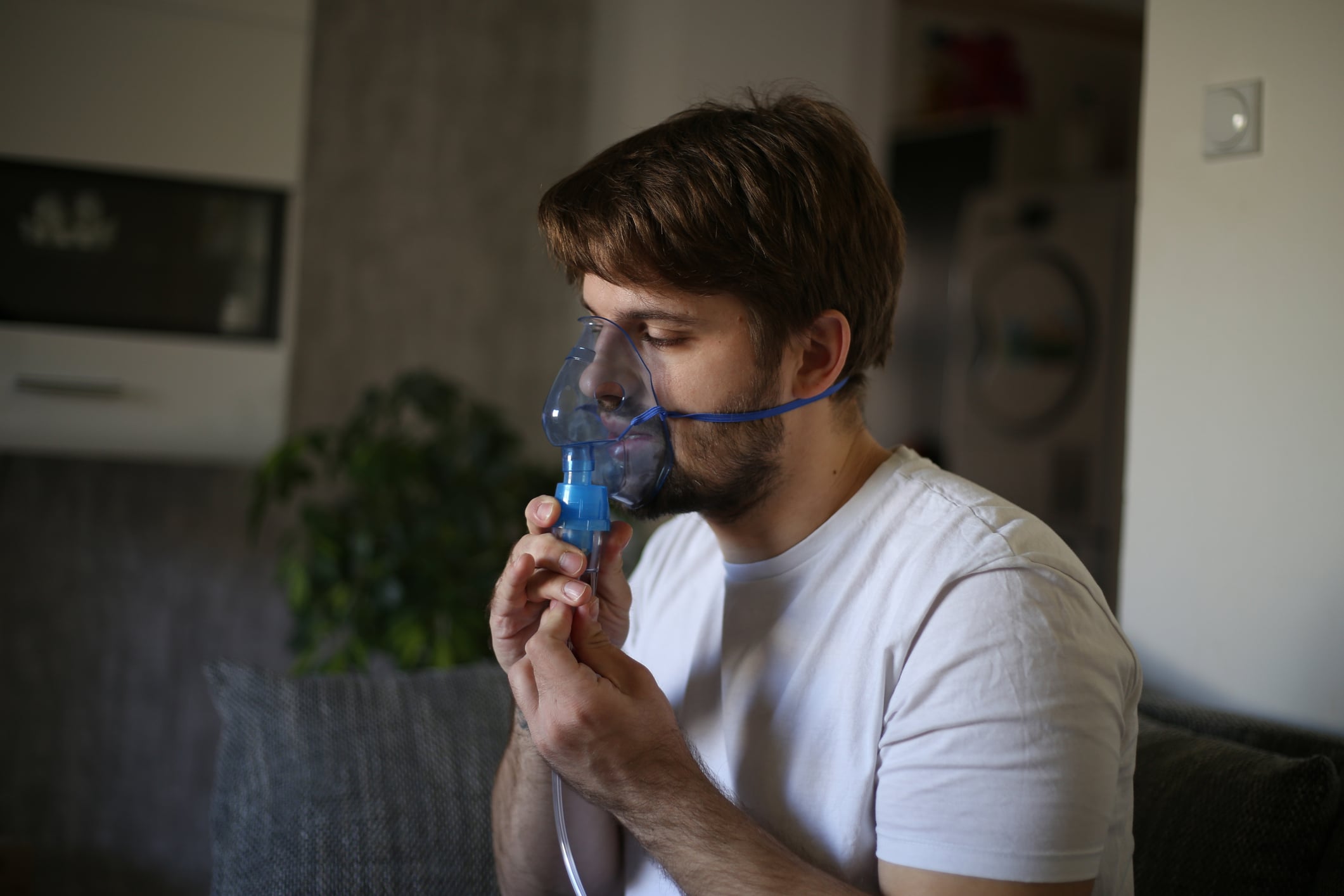
In Switzerland, fingolimod (Gilenya®) is approved as a basic therapy for relapsing-remitting MS to reduce relapse frequency and delay disability progression. Fingolimod is very similar to sphingosine, docks with sphingosine-1-phosphate (S1P) receptors, and interferes with the sphingolipid metabolism of lymphocytes, preventing them from exiting the lymph nodes. “Fingolimod therapy reversibly redistributes the lymphocytes. They are iin the lymphatic tissue and no longer in the blood and consequently can no longer pass from the blood into the nervous system and cause inflammation there,” says the expert.

The two key studies on fingolimod are the TRANSFORMS [2] and FREEDOMS [3] studies, which showed that fingolimod was superior to placebo and interferon-β-1a in several parameters: reduction in annual relapse rate, lower increase in disability, reduction in inflammatory activity on MRI, and reduction in brain volume decline.

The tolerability of fingolimod is generally good, but some points must be taken into account: For example, macular edema may occur as a rare complication. An ophthalmological check-up should therefore be performed before the start of therapy and after three to four months of treatment. Similarly, laboratory tests should be performed regularly before and during treatment, and dermatologic examinations should be performed in patients at increased risk for skin malignancies. In women of childbearing age treated with fingolimod, care must be taken to ensure effective contraception, as the substance is teratogenic.

Source: Lunchsymposium, Medidays 2013, September 2-6, 2013, UniversitySpital Zurich

Literature:

  1. Tintoré M: Early MS treatment. Int MS J 2007; 14: 5-10.
  2. Cohen JA, et al: Oral fingolimod or intramuscular interferon for relapsing multiple sclerosis. N Engl J Med 2010; 362: 402-415.
  3. Kappos L, et al: A placebo-controlled trial of oral fingolimod in relapsing multiple sclerosis. N Engl J Med 2010; 362: 387-401.
Autoren
  • Dr. Therese Schwender
Publikation
  • InFo NEUROLOGIE & PSYCHIATRIE
Related Topics
  • freedom
  • oral basic therapy
  • plasmapheresis
  • relapsing-remitting MS
  • RRMS
  • Standard therapy
  • Steroids
  • transform
Previous Article
  • On the farewell of Prof. Philippe Lyrer

Partir, c’est mourir un peu

  • Neurology
  • News
  • Prevention and health care
  • RX
View Post
Next Article
  • 86th Congress of the German Society of Neurology

Highlights from the DGN Congress 2013

  • Congress Reports
  • Neurology
  • Psychiatry and psychotherapy
  • Rheumatology
  • RX
View Post
You May Also Like
View Post
  • 7 min
  • Disease-modifying therapies for ATTR-CM

TTR stabilizers, gene silencing and gene scissors: where do we stand?

    • Cardiology
    • Congress Reports
    • Genetics
    • RX
    • Studies
View Post
  • 8 min
  • Proteins in wound healing

Do special amino acids lead to success?

    • CME continuing education
    • Dermatology and venereology
    • Endocrinology and Diabetology
    • Nutrition
    • RX
    • Studies
View Post
  • 4 min
  • HER2+ early breast cancer

DESTINY-Breast11 – neoadjuvant T-DXd without anthracyclines

    • Education
    • Gynecology
    • Oncology
    • RX
    • Studies
View Post
  • 3 min
  • Lavender aromatherapy

Take away the fear of the dentist

    • Dentistry
    • Education
    • Pharmaceutical medicine
    • Phytotherapy
    • Psychiatry and psychotherapy
    • RX
    • Studies
View Post
  • 4 min
  • Digital dermatology: innovative project examples

AI and eHealth tools in HS care

    • Dermatology and venereology
    • General Internal Medicine
    • Practice Management
    • Prevention and health care
    • RX
    • Studies
View Post
  • 5 min
  • Mantle cell lymphoma

Recurrence after BTK inhibition – prognostic factors and treatment options

    • Education
    • Hematology
    • Oncology
    • RX
View Post
  • 3 min
  • Dementia risk with type 2 diabetes

SGLT2 inhibitors with advantages vs. DPP4 inhibitors

    • Education
    • Endocrinology and Diabetology
    • Geriatrics
    • Neurology
    • Pharmacology and toxicology
    • Psychiatry and psychotherapy
    • RX
    • Studies
View Post
  • 15 min
  • T helper 1 cells

Differentiation and activation of Th1 cells – a multi-omics approach

    • RX
    • CME continuing education
    • General Internal Medicine
    • Genetics
    • Prevention and health care
  • IBD matters

    Zum Thema
Top CME content
  • 1
    Communication as the key to therapy adherence
  • 2
    Solutions to the malnutrition dilemma
  • 3
    Solutions to the malnutrition dilemma
  • 4
    Focus on preventive care options
  • 5
    Fertility preservation from gonads to genomes to genoids

Newsletter

Sign up and stay up to date

Subscribe
Medizinonline Medizinonline
  • Contact
  • General terms and conditions
  • Imprint

Input your search keywords and press Enter.