Medizinonline Medizinonline
  • News
    • News
    • Market & Medicine
  • Patients
    • Disease patterns
    • Diagnostics
    • Therapy
  • Partner Content
    • Diabetes
      • Dia-Month Club – Type 2 Diabetes
      • Diabetes in Motion
      • Diabetes Podcasts
    • Gastroenterology
      • IBD matters
    • Oncology
      • Swiss Oncology in motion
    • Orthopedics
      • Osteoporosis in motion
  • Departments
    • Allergology and clinical immunology
    • General Internal Medicine
    • Anesthesiology
    • Angiology
    • Surgery
    • Dermatology and venereology
    • Endocrinology and Diabetology
    • Nutrition
    • Gastroenterology and Hepatology
    • Genetics
    • Geriatrics
    • Gynecology
    • Hematology
    • Infectiology
    • Cardiology
    • Nephrology
    • Neurology
    • Emergency and intensive care medicine
    • Nuclear Medicine
    • Oncology
    • Ophthalmology
    • ORL
    • Orthopedics
    • Pediatrics
    • Pharmacology and toxicology
    • Pharmaceutical medicine
    • Phlebology
    • Physical medicine and rehabilitation
    • Pneumology
    • Prevention and health care
    • Psychiatry and psychotherapy
    • Radiology
    • Forensic Medicine
    • Rheumatology
    • Sports Medicine
    • Traumatology and trauma surgery
    • Tropical and travel medicine
    • Urology
    • Dentistry
  • CME & Congresses
    • CME continuing education
    • Congress Reports
    • Congress calendar
  • Practice
    • Noctimed
    • Practice Management
    • Jobs
    • Interviews
  • Log In
  • Register
  • My account
  • Contact
  • Publications
  • Contact
  • Deutsch
  • English
  • Français
  • Italiano
  • Português
  • Español
Subscribe
Medizinonline Medizinonline
  • News
    • News
    • Market & Medicine
  • Patienten
    • Krankheitsbilder
    • Diagnostik
    • Therapie
  • Partner Content
    • Diabetes
      • Dia-Month Club – Type 2 Diabetes
      • Diabetes in Motion
      • Diabetes Podcasts
    • Gastroenterology
      • IBD matters
    • Oncology
      • Swiss Oncology in motion
    • Orthopedics
      • Osteoporosis in motion
    • Phytotherapie
    • Rheumatology
  • Departments
    • Fachbereiche 1-13
      • Allergology and clinical immunology
      • General Internal Medicine
      • Anesthesiology
      • Angiology
      • Surgery
      • Dermatology and venereology
      • Endocrinology and Diabetology
      • Nutrition
      • Gastroenterology and Hepatology
      • Genetics
      • Geriatrics
      • Gynecology
      • Hematology
    • Fachbereiche 14-26
      • Infectiology
      • Cardiology
      • Nephrology
      • Neurology
      • Emergency and intensive care medicine
      • Nuclear Medicine
      • Oncology
      • Ophthalmology
      • ORL
      • Orthopedics
      • Pediatrics
      • Pharmacology and toxicology
      • Pharmaceutical medicine
    • Fachbereiche 26-38
      • Phlebology
      • Physical medicine and rehabilitation
      • Phytotherapy
      • Pneumology
      • Prevention and health care
      • Psychiatry and psychotherapy
      • Radiology
      • Forensic Medicine
      • Rheumatology
      • Sports Medicine
      • Traumatology and trauma surgery
      • Tropical and travel medicine
      • Urology
      • Dentistry
  • CME & Congresses
    • CME continuing education
    • Congress Reports
    • Congress calendar
  • Practice
    • Noctimed
    • Practice Management
    • Jobs
    • Interviews
Login

Sie haben noch keinen Account? Registrieren

  • Telemedicine

Computer model creates heart twin and supports therapy management

    • Cardiology
    • Education
    • Prevention and health care
    • RX
  • 2 minute read

Technical support is becoming increasingly important in diagnostics and therapy. Opportunities are also advancing in cardiology. Mathematical image processing can now be used to create a digital twin of the human heart. This opens up new possibilities in clinical diagnostics.

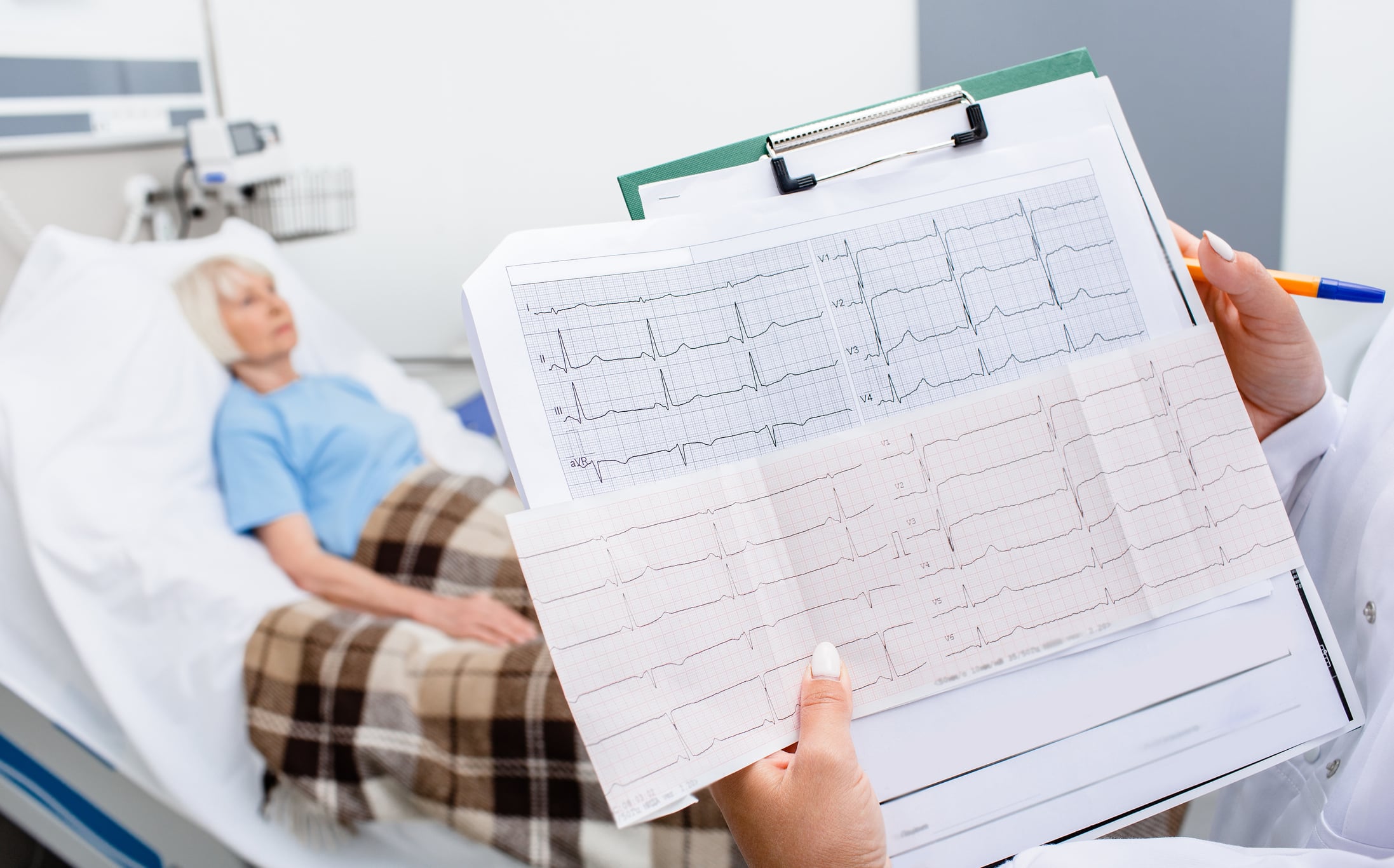
Cardiovascular disease remains one of the leading causes of death in Europe – advances in therapeutic interventions or not. The success of treatment always depends on the individual clinical picture. For example, a pacemaker to mechanically resynchronize the heartbeat is unsuccessful in 30% of affected individuals. The aim of a computer model is to detect these unnecessary interventions in advance. Gernot Plank, a researcher at the Institute of Biophysics at the Medical University of Graz, developed this together with mathematicians Gundolf Haase and Kristian Bredies from the University of Graz and computer scientist Thomas Pock from the Institute of Machine Vision and Display at TU Graz. Imaging algorithms build a digital image of the patient’s heart from diagnostic data from MR, ECG, and other cardiac exams of the person being treated. This customized model provides a wealth of information that helps to understand the individual clinical picture and to run through different therapeutic scenarios. The developed method is so sophisticated and automated that anatomically correct digital twins of patient hearts can already be routinely produced in a clinical setting. In a next step, the researchers would like to further improve the technology and enable fully automated adaptation of all functional aspects of the heartbeat. One very promising approach is based on the latest AI methods for optimal control and focuses on wave propagation in the heart, which is controlled by the alignment of cardiac muscle fibers. The consortium, in collaboration with the Cardiocentro Ticinio (Center for Computer-Assisted Cardiology, Lugano), would like to pursue this approach in a new research project and attempt to use machine learning techniques to incorporate the “control elements” into the model in such a way that the simulated heartbeat comes as close as possible to the real heartbeat. Initial clinical validation studies are in preparation. Plank and Pock expect that clinically deployable prototypes of a fully automated digital twin heart can be tested as early as 2022. The simulation technology on which the method is based is already being marketed by the Graz-based startup NumeriCor as well as being used by leading medical technology companies in the R&D sector.

Source: “Cardiovascular Diseases: New computer model improves therapy”, 22.02.2021, TU Graz


CARDIOVASC 2021; 20(1): 36
Autoren
  • Leoni Burggraf
Publikation
  • CARDIOVASC
Related Topics
  • digitization
  • Heart Gemini
  • Telemedicine
Previous Article
  • Self-management of teens with allergies or asthma

Somehow it doesn’t work: adherence and compliance in adolescents

  • Allergology and clinical immunology
  • CME continuing education
  • Education
  • General Internal Medicine
  • Pediatrics
  • Pneumology
  • Psychiatry and psychotherapy
  • RX
  • Studies
View Post
Next Article
  • Aggressive lymphomas

Therapy in everyday clinical practice based on current developments

  • CME continuing education
  • Education
  • Hematology
  • Oncology
  • RX
  • Studies
View Post
You May Also Like
View Post
  • 13 min
  • Why lipoprotein(a) is the biggest therapeutic vacuum in cardiology

Lp(a): The underestimated risk factor before the turning point

    • Cardiology
    • Education
    • Endocrinology and Diabetology
    • RX
    • Studies
View Post
  • 11 min
  • Modern system therapeutics for hidradenitis suppurativa

Immunological dysregulation in the sights of several biologics and “small molecules”

    • Allergology and clinical immunology
    • Dermatology and venereology
    • Education
    • RX
    • Studies
View Post
  • 15 min
  • Perimenopausal depression, PMDS and tokophobia

Psychosomatics and mental health in gynecology

    • Education
    • Gynecology
    • Psychiatry and psychotherapy
    • RX
    • Studies
View Post
  • 8 min
  • Proteins in wound healing

Do special amino acids lead to success?

    • CME continuing education
    • Dermatology and venereology
    • Endocrinology and Diabetology
    • Nutrition
    • RX
    • Studies
View Post
  • 7 min
  • Plastic surgery and reconstructive microsurgery for DFS

Functional limb preservation between infection control, vascular medicine and resurfacing

    • Angiology
    • CME continuing education
    • Endocrinology and Diabetology
    • General Internal Medicine
    • Geriatrics
    • Physical medicine and rehabilitation
    • RX
    • Surgery
View Post
  • 9 min
  • Polycystic ovary syndrome 2025/2026

New pathophysiology, updated diagnostics and the age of incretin mimetics

    • Education
    • Gastroenterology and Hepatology
    • General Internal Medicine
    • Gynecology
    • Pharmacology and toxicology
    • RX
    • Studies
View Post
  • 14 min
  • Heart failure and type 2 diabetes

Oral semaglutide and cardiac decompensation in type 2 diabetes

    • Cardiology
    • Education
    • Endocrinology and Diabetology
    • RX
    • Studies
View Post
  • 7 min
  • Atopic dermatitis as a door opener for an atopic cascade?

AD trajectories: Summary of current findings

    • Allergology and clinical immunology
    • Congress Reports
    • Dermatology and venereology
    • RX
    • Studies
  • IBD matters

    Zum Thema
Top CME content
  • 1
    Functional limb preservation between infection control, vascular medicine and resurfacing
  • 2
    Do special amino acids lead to success?
  • 3
    Do special amino acids lead to success?
  • 4
    Current status of PAT
  • 5
    Surgical wound complications

Newsletter

Sign up and stay up to date

Subscribe
Medizinonline Medizinonline
  • Contact
  • General terms and conditions
  • Imprint

Input your search keywords and press Enter.