Medizinonline Medizinonline
  • News
    • News
    • Market & Medicine
  • Patients
    • Disease patterns
    • Diagnostics
    • Therapy
  • Partner Content
    • Dermatology
      • Atopic dermatitis and psoriasis news
    • Diabetes
      • Dia-Month Club – Type 2 Diabetes
      • Diabetes in Motion
      • Diabetes Podcasts
    • Gastroenterology
      • IBD matters
    • Oncology
      • Swiss Oncology in motion
    • Orthopedics
      • Osteoporosis in motion
  • Departments
    • Allergology and clinical immunology
    • General Internal Medicine
    • Anesthesiology
    • Angiology
    • Surgery
    • Dermatology and venereology
    • Endocrinology and Diabetology
    • Nutrition
    • Gastroenterology and Hepatology
    • Genetics
    • Geriatrics
    • Gynecology
    • Hematology
    • Infectiology
    • Cardiology
    • Nephrology
    • Neurology
    • Emergency and intensive care medicine
    • Nuclear Medicine
    • Oncology
    • Ophthalmology
    • ORL
    • Orthopedics
    • Pediatrics
    • Pharmacology and toxicology
    • Pharmaceutical medicine
    • Phlebology
    • Physical medicine and rehabilitation
    • Pneumology
    • Prevention and health care
    • Psychiatry and psychotherapy
    • Radiology
    • Forensic Medicine
    • Rheumatology
    • Sports Medicine
    • Traumatology and trauma surgery
    • Tropical and travel medicine
    • Urology
    • Dentistry
  • CME & Congresses
    • CME continuing education
    • Congress Reports
    • Congress calendar
  • Practice
    • Noctimed
    • Practice Management
    • Jobs
    • Interviews
  • Log In
  • Register
  • My account
  • Contact
  • Publications
  • Contact
  • Deutsch
  • English
  • Français
  • Italiano
  • Português
  • Español
Subscribe
Medizinonline Medizinonline
  • News
    • News
    • Market & Medicine
  • Patienten
    • Krankheitsbilder
    • Diagnostik
    • Therapie
  • Partner Content
    • Dermatology
      • Atopic dermatitis and psoriasis news
    • Diabetes
      • Dia-Month Club – Type 2 Diabetes
      • Diabetes in Motion
      • Diabetes Podcasts
    • Gastroenterology
      • IBD matters
    • Oncology
      • Swiss Oncology in motion
    • Orthopedics
      • Osteoporosis in motion
    • Phytotherapie
    • Rheumatology
  • Departments
    • Fachbereiche 1-13
      • Allergology and clinical immunology
      • General Internal Medicine
      • Anesthesiology
      • Angiology
      • Surgery
      • Dermatology and venereology
      • Endocrinology and Diabetology
      • Nutrition
      • Gastroenterology and Hepatology
      • Genetics
      • Geriatrics
      • Gynecology
      • Hematology
    • Fachbereiche 14-26
      • Infectiology
      • Cardiology
      • Nephrology
      • Neurology
      • Emergency and intensive care medicine
      • Nuclear Medicine
      • Oncology
      • Ophthalmology
      • ORL
      • Orthopedics
      • Pediatrics
      • Pharmacology and toxicology
      • Pharmaceutical medicine
    • Fachbereiche 26-38
      • Phlebology
      • Physical medicine and rehabilitation
      • Phytotherapy
      • Pneumology
      • Prevention and health care
      • Psychiatry and psychotherapy
      • Radiology
      • Forensic Medicine
      • Rheumatology
      • Sports Medicine
      • Traumatology and trauma surgery
      • Tropical and travel medicine
      • Urology
      • Dentistry
  • CME & Congresses
    • CME continuing education
    • Congress Reports
    • Congress calendar
  • Practice
    • Noctimed
    • Practice Management
    • Jobs
    • Interviews
Login

Sie haben noch keinen Account? Registrieren

  • Disease Management

“Face up to rosacea”: contributing to the promotion of the doctor-patient dialogue

    • Dermatology and venereology
    • Market & Medicine
    • RX
  • 2 minute read

Launched in 2019, the campaign aims to provide sufferers with knowledge about their chronic inflammatory skin disease and promote empowerment. Web-based disease management tools include the ability to create a personalized patient guide.

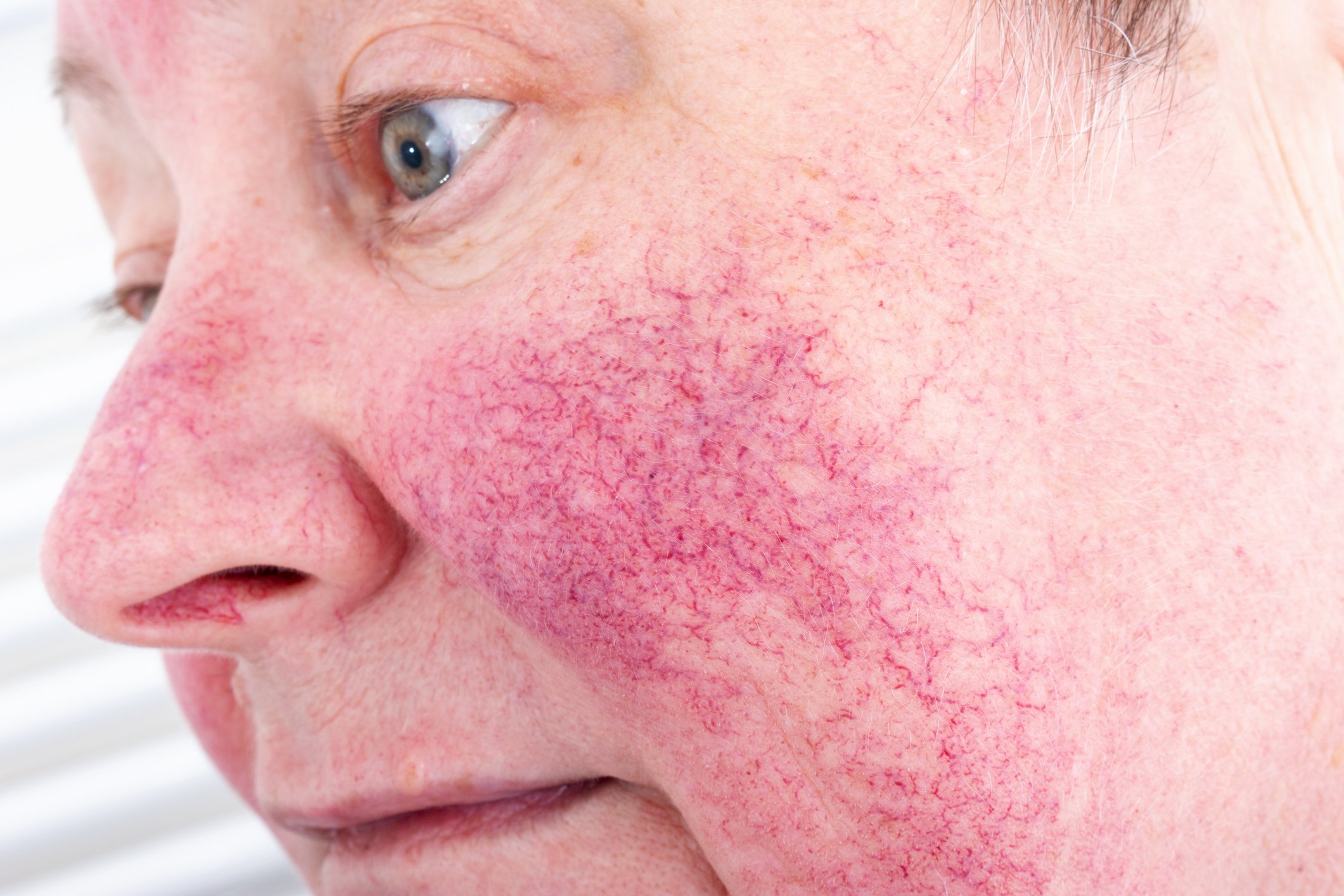
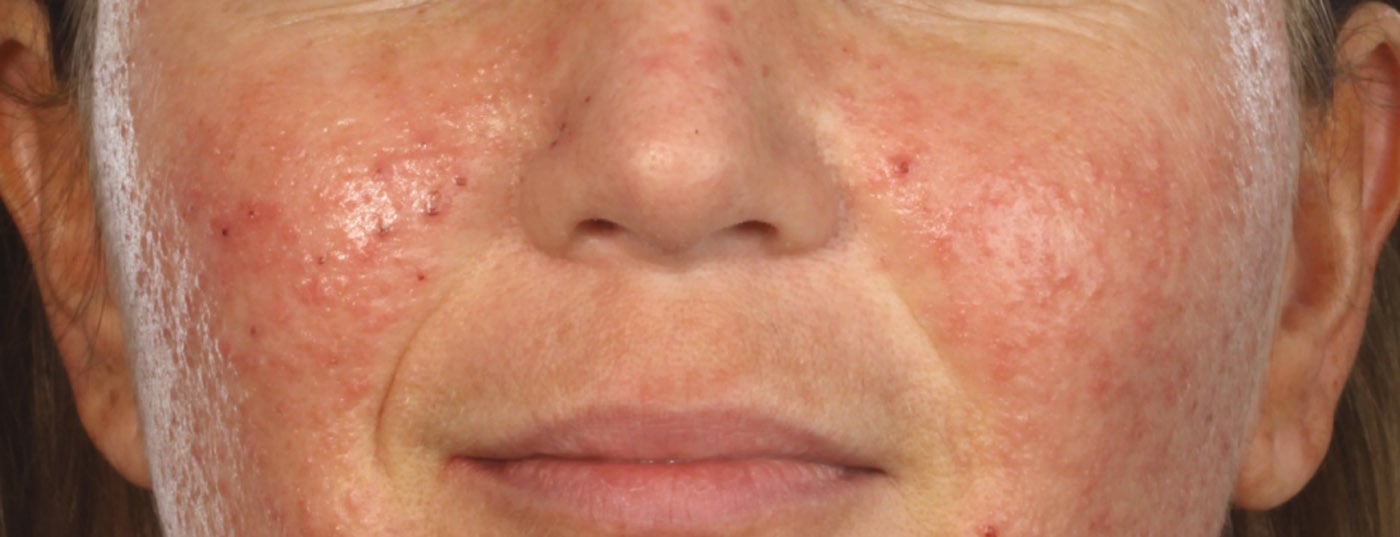
Rosacea affects approximately 415 million people worldwide [1]. Characteristic symptoms of this distressing dermatosis include flushing, persistent erythema, and inflammatory lesions. According to data published in 2019, approximately 82% of patients perceive their disease as uncontrollable and in 20% the skin disease leads to substantial limitations in everyday life [2].

Personalized patient guide

“The best consultations are those in which patients are equipped with a list of symptoms and trigger factors and can provide information on previous treatment attempts. With this information, treatment can be tailored to the patient to break the vicious cycle of this chronic inflammatory skin disease,” says Dr. Melinda Gooderham, Medical Director, SKiN Centre for Dermatology, Ontario (Canada). In addition to a questionnaire on individual symptoms and their impact on patients’ daily lives, previous treatments are also addressed. The responses provide the basis for a personalized guide, which can be used for the next consultation. “Each of our patients is unique and has an individual disease history; the more we understand about each patient’s story, the more personalized treatment plans can be offered,” said Linda Stein-Gold, M.D., Division Head of Dermatology, Henry Ford Health System, Michigan (USA).


Condition worsens visibly if left untreated

Both adult men and women can be affected by rosacea, most often the disease appears after the age of 30. Central areas of the face are mostly affected, such as the cheeks and the area around the nose. Widespread involvement of the eye area (e.g., red, dried, itchy) is also common. The causes of disease are still the subject of research, but several trigger factors are known, including spicy foods, alcohol, emotional stress, sun/UV exposure, hot baths or warm drinks. If left untreated, the condition worsens over time. Individuals who suspect they may be affected by rosacea should consult a dermatologist or other medical caregiver for discussion of treatment options. Because it is a highly visible condition, it is very stigmatized and leads to feelings of shame and fear in sufferers, which can lead to frustration and is associated with negative effects on everyday life.

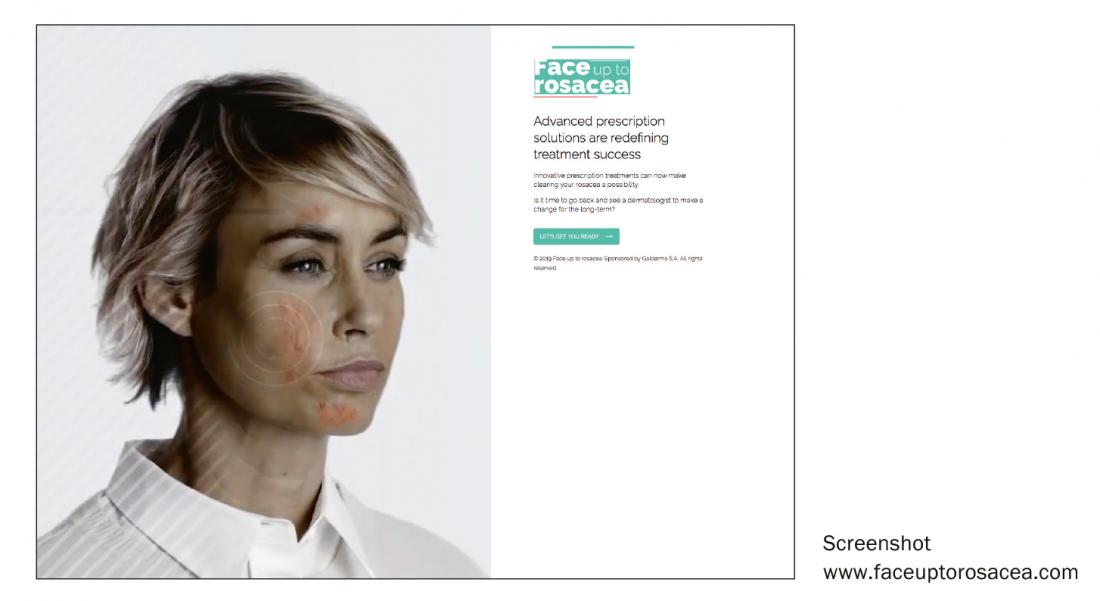
More information about the project and the benefits for patients is available on the website www.faceuptorosacea.com.


Source: Galderma


Literature:

  1. National Rosacea Society 2018. New Study Finds 415 Million People May Suffer from Rosacea Worldwide. Available at: www.rosacea.org/press/2018/july/new-study-finds-415-million-people-may-suffer-from-rosacea-worldwide, Last accessed October 2019.
  2. Rosacea: Beyond the visible online report, http://hosted.bmj.com/rosaceabeyondthevisible, last accessed October 2019.


DERMATOLOGIE PRAXIS 2019; 29(6): 43

Autoren
  • Mirjam Peter, M.Sc.
Publikation
  • DERMATOLOGIE PRAXIS
Previous Article
  • Breast Cancer

10-year data favor partial irradiation

  • Congress Reports
  • Gynecology
  • Oncology
  • Prevention and health care
  • RX
View Post
Next Article
  • Therapy management of multiple sclerosis

Individual, competent, holistic – the right therapy for the MS patient

  • Education
  • Neurology
  • RX
View Post
You May Also Like
View Post
  • 7 min
  • Focus on new therapeutic targets and senolytics

Cellular senescence

    • Education
    • General Internal Medicine
    • Genetics
    • Geriatrics
    • Prevention and health care
    • RX
    • Studies
View Post
  • 3 min
  • Development of a quintuple agonist

New strategy in the fight against obesity and T2D

    • Congress Reports
    • Endocrinology and Diabetology
    • Pharmacology and toxicology
    • RX
    • Studies
View Post
  • 4 min
  • From symptom to diagnosis

Oncocytoma

    • Cases
    • Education
    • Nephrology
    • Oncology
    • Radiology
    • RX
    • Surgery
View Post
  • 7 min
  • Arterial elasticity, vascular ageing, endothelial function

Longevity and cardiovascular health 2025

    • Angiology
    • Cardiology
    • Education
    • General Internal Medicine
    • Geriatrics
    • Prevention and health care
    • RX
    • Studies
View Post
  • 5 min
  • AI-supported risk stratification for chest pain in the emergency room

Performance of a fully automated ECG model

    • Cardiology
    • Education
    • Emergency and intensive care medicine
    • Prevention and health care
    • RX
    • Studies
View Post
  • 11 min
  • Alternative to insulin and GLP1

From the β-cell to the center: the versatile role of amylin

    • CME continuing education
    • Endocrinology and Diabetology
    • RX
    • Studies
View Post
  • 6 min
  • Hormone balance and longevity

Ageing is not a substitution diagnosis

    • Education
    • Endocrinology and Diabetology
    • General Internal Medicine
    • Geriatrics
    • Gynecology
    • Pharmacology and toxicology
    • Prevention and health care
    • RX
    • Studies
View Post
  • 6 min
  • Cardiovascular risk

Bad news for young men with T2D

    • Cardiology
    • Congress Reports
    • Endocrinology and Diabetology
    • Prevention and health care
    • RX
    • Studies
  • IBD matters

    Zum Thema
Top CME content
  • 1
    Control instead of a flood of data: AI makes big data and wearables usable
  • 2
    Causes and prevention at work
  • 3
    Yellow nail and Swyer-James syndrome
  • 4
    Recommendations for action in practice
  • 5
    From the β-cell to the center: the versatile role of amylin

Newsletter

Sign up and stay up to date

Subscribe
Medizinonline Medizinonline
  • Contact
  • General terms and conditions
  • Imprint

Input your search keywords and press Enter.