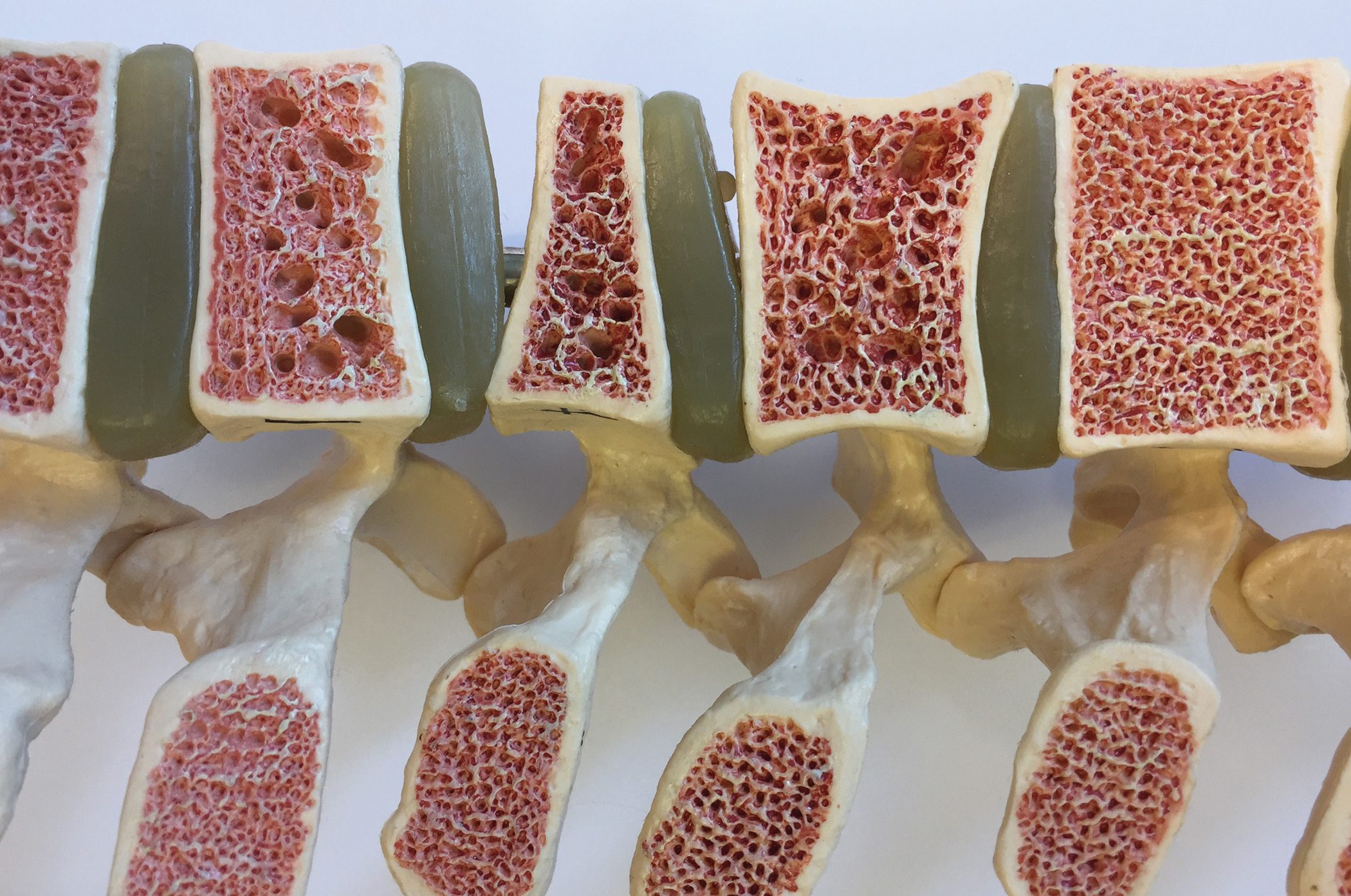
Osteoporosis is an underdiagnosed disease. Patients with circumscribed risk factors should not be deprived of a bone density measurement. Although osteoporosis cannot be completely cured, its progression can be delayed with effective treatment. The current guideline defines treatment indication thresholds for the use of specific osteoporosis drugs (antiresorptives, osteoanabolics). In general, treatment should be tailored to the patient’s individual situation.
Autoren
- Mirjam Peter, M.Sc.
Publikation
- HAUSARZT PRAXIS

Related Topics
You May Also Like
- Actinic keratoses
Targeted Treatment of Multiple AK Lesions—Balancing Efficacy and Convenience
- Obesity: A Multimodal and Interdisciplinary Approach
New Swiss Clinical Practice Guideline Provides Guidance
- cSCC: Personalizing Treatment Strategies and Follow-up Care Plans
Comprehensive risk stratification is no simple matter: what’s new?
- Baxdrostat – a new class of drugs for treating difficult-to-control hypertension
First Aldosterone Synthase Inhibitor Is Here
- Geriatric Small-Cell Lung Cancer
Therapeutic Challenges
- Chronic Pruritus in Renal, Hepatic, and Biliary Tract Diseases
Pooled Expertise for Targeted Evaluation and Treatment
- Advanced Thyroid Cancer
Molecular Mechanisms and New Therapeutic Approaches
- Epidermolysis bullosa