Medizinonline Medizinonline
  • News
    • News
    • Market & Medicine
  • Patients
    • Disease patterns
    • Diagnostics
    • Therapy
  • Partner Content
    • Diabetes
      • Dia-Month Club – Type 2 Diabetes
      • Diabetes in Motion
    • Gastroenterology
      • IBD matters
    • Oncology
      • Swiss Oncology in motion
    • Orthopedics
      • Osteoporosis in motion
  • Departments
    • Allergology and clinical immunology
    • General Internal Medicine
    • Anesthesiology
    • Angiology
    • Surgery
    • Dermatology and venereology
    • Endocrinology and Diabetology
    • Nutrition
    • Gastroenterology and Hepatology
    • Genetics
    • Geriatrics
    • Gynecology
    • Hematology
    • Infectiology
    • Cardiology
    • Nephrology
    • Neurology
    • Emergency and intensive care medicine
    • Nuclear Medicine
    • Oncology
    • Ophthalmology
    • ORL
    • Orthopedics
    • Pediatrics
    • Pharmacology and toxicology
    • Pharmaceutical medicine
    • Phlebology
    • Physical medicine and rehabilitation
    • Pneumology
    • Prevention and health care
    • Psychiatry and psychotherapy
    • Radiology
    • Forensic Medicine
    • Rheumatology
    • Sports Medicine
    • Traumatology and trauma surgery
    • Tropical and travel medicine
    • Urology
    • Dentistry
  • CME & Congresses
    • CME continuing education
    • Congress Reports
    • Congress calendar
  • Practice
    • Noctimed
    • Practice Management
    • Jobs
    • Interviews
  • Log In
  • Register
  • My account
  • Contact
  • Publications
  • Contact
  • Deutsch
  • English
  • Français
  • Italiano
  • Português
  • Español
Subscribe
Medizinonline Medizinonline
  • News
    • News
    • Market & Medicine
  • Patienten
    • Krankheitsbilder
    • Diagnostik
    • Therapie
  • Partner Content
    • Diabetes
      • Dia-Month Club – Type 2 Diabetes
      • Diabetes in Motion
    • Gastroenterology
      • IBD matters
    • Oncology
      • Swiss Oncology in motion
    • Orthopedics
      • Osteoporosis in motion
    • Phytotherapie
    • Rheumatology
  • Departments
    • Fachbereiche 1-13
      • Allergology and clinical immunology
      • General Internal Medicine
      • Anesthesiology
      • Angiology
      • Surgery
      • Dermatology and venereology
      • Endocrinology and Diabetology
      • Nutrition
      • Gastroenterology and Hepatology
      • Genetics
      • Geriatrics
      • Gynecology
      • Hematology
    • Fachbereiche 14-26
      • Infectiology
      • Cardiology
      • Nephrology
      • Neurology
      • Emergency and intensive care medicine
      • Nuclear Medicine
      • Oncology
      • Ophthalmology
      • ORL
      • Orthopedics
      • Pediatrics
      • Pharmacology and toxicology
      • Pharmaceutical medicine
    • Fachbereiche 26-38
      • Phlebology
      • Physical medicine and rehabilitation
      • Phytotherapy
      • Pneumology
      • Prevention and health care
      • Psychiatry and psychotherapy
      • Radiology
      • Forensic Medicine
      • Rheumatology
      • Sports Medicine
      • Traumatology and trauma surgery
      • Tropical and travel medicine
      • Urology
      • Dentistry
  • CME & Congresses
    • CME continuing education
    • Congress Reports
    • Congress calendar
  • Practice
    • Noctimed
    • Practice Management
    • Jobs
    • Interviews
Login

Sie haben noch keinen Account? Registrieren

  • Female tumors

From the “old-fashioned” CMF to the modern T-DM1

    • Education
    • Gynecology
    • Oncology
    • RX
  • 3 minute read

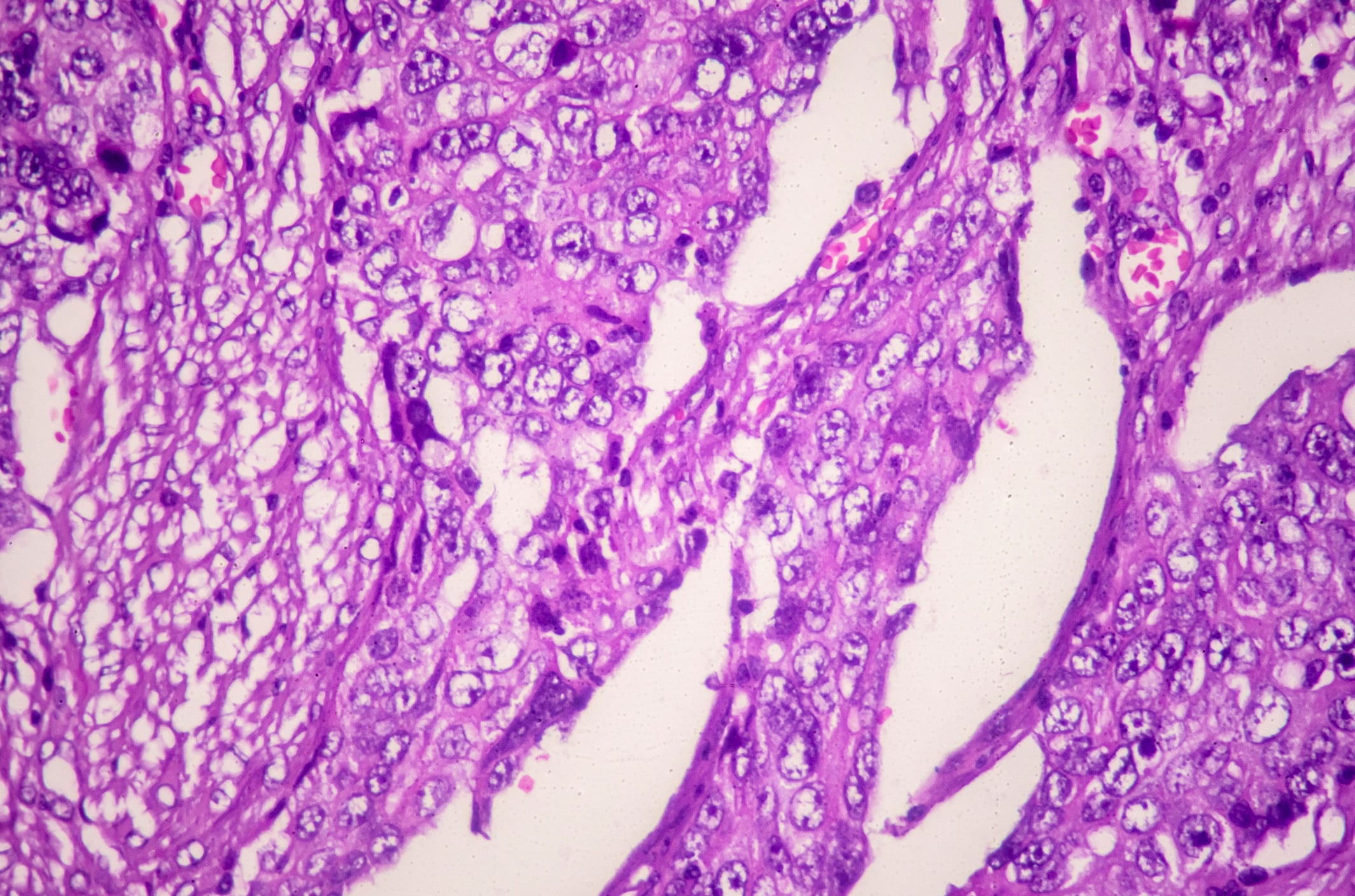
Over the past two decades, the prognosis of breast carcinoma has improved significantly. As a rule, 75% of patients are cured today. The introduction of modern chemotherapeutic agents, particularly taxanes, has improved prognosis in both adjuvant and palliative settings. In the adjuvant setting, the route of administration (dose-dense adriblastin-cyclophosphamide or dose-dense paclitaxel) and platinum-containing third-generation regimens have also significantly improved prognosis.

Not least since the introduction of trastuzumab, first in the palliative setting (approved in Switzerland in 1999), then in the adjuvant setting, the prognosis of HER2-positive breast carcinoma has also improved and is now generally much more encouraging than the prognosis of triple-negative breast carcinoma. Four HER2-targeted drugs are approved in Switzerland today: Trastuzumab, Pertuzumab, T-DM1 and Lapatinib. The article by Michael Schwitter and Ursula Hasler-Strub provides the reader with a very nice concise summary of modern HER2-targeted therapy. It remains to be seen what the new drugs will do in the different settings, e.g. pertuzumab in the adjuvant setting (APHINITY trial) or T-DM1 after neoadjuvant chemotherapy in the absence of pCR (KATHERINE trial).

Unfortunately, HER2-targeted therapy can only be used in about 20% of cases; in all other breast carcinoma subtypes, there is as yet no comparable successful target to HER2. In ER/PR+ breast carcinomas, most research to date has focused on endocrine resistance. There is now the possibility of reversing this resistance via the mTor pathway with the mTor inhibitor everolimus and thus achieving a better outcome for these patients (BOLERO-III, TAMRAD study).

Furthermore, the use of neo-angiogenesis inhibitors has significantly improved response rates and disease-free survival. However, significantly improved survival has not yet been demonstrated. Thus, the angiogenesis inhibitor bevacizumab is approved in the metastatic setting with paclitaxel. In triple-negative breast carcinoma, the antibody shows some benefit in terms of PFS in various subgroup analyses. Other anti-VEGFR thyrosine kinase inhibitors such as sunitinib and sorafenib also have some activity but are not currently approved.

In ovarian cancer, since the discovery that many serous carcinomas arise from the fimbrial end of the tube, understanding of the development and extension of the disease has improved dramatically. Based on prophylactic bilateral adnexectomies in BRCA1/2 mutation carriers, Crum et al. 2007, Kurman et al. 2010 and other authors detected in situ carcinomas in the tubal ends of these patients. In the meantime, a constant development is assumed from preliminary stages (STIL, “serous tubal intraepithelial lesion”) to precancerous stages (in situ carcinoma) to early carcinoma (STIC, “serous tubal intraepithelial cancer”). Another advance in understanding the biology of ovarian cancer was the postulation of type I and type II ovarian cancer (Kurman et al. 2010). Type-I are the slow-growing, prognostically benign carcinomas (G1 serous, endometrioid, clear cell, mucinous carcinoma); type-II are the poorly differentiated serous or carcinosarcomatous carcinomas that show an aggressive growth pattern and poor prognosis.

Genetic studies in the last decade have yielded some candidates for diagnosis (HE4) and also therapy (VEGF). The first “targeted therapy” in ovarian cancer is therefore bevacizumab (Avastin®, Roche), which has now shown its survival benefit of nine months in initial therapy in non-optimally debulkable ovarian cancer FIGO III/IV in several large international studies (ICON7, GOG218).

Modern target therapies have significantly improved the courses of breast carcinoma. But the problem is the “targetable drugs.” While we know many more targets today than we did 30 years ago when the HER2/erb2 oncogene was discovered, we cannot yet address these new targets with drugs. Further efforts are needed to see innovation in the field of breast cancer. The situation is similar for ovarian carcinoma, where development lags even farther behind breast carcinoma.

I hope you enjoy reading it!

Prof. Dr. med. Viola Heinzelmann-Schwarz

InFo Oncology & Hematology 2014; 2(1): 4.

Publikation
  • InFo ONKOLOGIE & HÄMATOLOGIE
Related Topics
  • anti-vegfr thyrosine kinase inhibitor
  • Breast Cancer
  • chemotherapeutics
  • metastasized
  • neoadjuvant
  • No-Angiogenesis Inhibitor
  • ovarian cancer
  • pCR
  • T-DM1
  • Third Generation Scheme
  • Tumor
Previous Article
  • Cancer organizations present results of comprehensive evaluation

Excellent marks for the promotion of Swiss cancer research

  • News
  • Oncology
  • Prevention and health care
  • RX
View Post
Next Article
  • Gastroenterology

Gastro complaints remain a challenge in 2014

  • Education
  • Gastroenterology and Hepatology
  • Geriatrics
  • RX
View Post
You May Also Like
View Post
  • 9 min
  • Congenital Vascular Malformations

Personalized Treatment Before a Planned Pregnancy

    • Cardiology
    • Angiology
    • CME continuing education
    • General Internal Medicine
    • Genetics
    • Gynecology
    • Radiology
    • Surgery
View Post
  • 8 min
  • Hyperhidrosis: Keep a Cool Head

An Overview of Important Treatment Options

    • RX
    • Dermatology and venereology
    • Education
    • General Internal Medicine
    • Pharmacology and toxicology
    • Studies
View Post
  • 6 min
  • This article was sponsored by Johnson & Johnson.

Give your patients a chance to live longer without progression with TECVAYLI® + DARZALEX® compared to DPd/DVd1

    • RX
    • Hematology
    • Oncology
    • Partner Content
    • Studies
View Post
  • 6 min
  • Sjögren's Syndrome in Early Childhood

Children often develop lymphomas

    • RX
    • Education
    • Pediatrics
    • Rheumatology
    • Studies
View Post
  • 12 min
  • Multidrug-Resistant Pathogens in Wound Care

An Enemy in the Microbiome?

    • Dermatology and venereology
    • CME continuing education
    • Infectiology
    • Physical medicine and rehabilitation
    • Prevention and health care
    • RX
    • Surgery
View Post
  • 14 min
  • Rare Genodermatoses: From Diagnosis to Treatment

Darier’s Disease, also known as Follicular Keratosis – Update 2026

    • CME continuing education
    • Cases
    • Dermatology and venereology
    • Pharmacology and toxicology
    • RX
    • Studies
View Post
  • 9 min
  • Psychedelic-assisted therapy

Current status of PAT

    • RX
    • CME continuing education
    • General Internal Medicine
    • Pharmacology and toxicology
    • Psychiatry and psychotherapy
    • Studies
View Post
  • 7 min
  • Osgood-Schlatter Disease

Clinical Presentation, Diagnosis, and Treatment

    • RX
    • Cases
    • Education
    • Orthopedics
    • Pediatrics
  • IBD matters

    Zum Thema
Top CME content
  • 1
    Darier’s Disease, also known as Follicular Keratosis – Update 2026
  • 2
    An Enemy in the Microbiome?
  • 3
    Evidence-Based Neuromodulation Based on Clinical Trials and Real-World Data
  • 4
    Current status of PAT
  • 5
    Development, Diagnosis, Epidemiology, and Treatment of a Disease Entity

Newsletter

Sign up and stay up to date

Subscribe
Medizinonline Medizinonline
  • Contact
  • General terms and conditions
  • Imprint

Input your search keywords and press Enter.