Medizinonline Medizinonline
  • News
    • News
    • Market & Medicine
  • Patients
    • Disease patterns
    • Diagnostics
    • Therapy
  • Partner Content
    • Diabetes
      • Dia-Month Club – Type 2 Diabetes
      • Diabetes in Motion
      • Diabetes Podcasts
    • Gastroenterology
      • IBD matters
    • Oncology
      • Swiss Oncology in motion
    • Orthopedics
      • Osteoporosis in motion
  • Departments
    • Allergology and clinical immunology
    • General Internal Medicine
    • Anesthesiology
    • Angiology
    • Surgery
    • Dermatology and venereology
    • Endocrinology and Diabetology
    • Nutrition
    • Gastroenterology and Hepatology
    • Genetics
    • Geriatrics
    • Gynecology
    • Hematology
    • Infectiology
    • Cardiology
    • Nephrology
    • Neurology
    • Emergency and intensive care medicine
    • Nuclear Medicine
    • Oncology
    • Ophthalmology
    • ORL
    • Orthopedics
    • Pediatrics
    • Pharmacology and toxicology
    • Pharmaceutical medicine
    • Phlebology
    • Physical medicine and rehabilitation
    • Pneumology
    • Prevention and health care
    • Psychiatry and psychotherapy
    • Radiology
    • Forensic Medicine
    • Rheumatology
    • Sports Medicine
    • Traumatology and trauma surgery
    • Tropical and travel medicine
    • Urology
    • Dentistry
  • CME & Congresses
    • CME continuing education
    • Congress Reports
    • Congress calendar
  • Practice
    • Noctimed
    • Practice Management
    • Jobs
    • Interviews
  • Log In
  • Register
  • My account
  • Contact
  • Publications
  • Contact
  • Deutsch
  • English
  • Français
  • Italiano
  • Português
  • Español
Subscribe
Medizinonline Medizinonline
  • News
    • News
    • Market & Medicine
  • Patienten
    • Krankheitsbilder
    • Diagnostik
    • Therapie
  • Partner Content
    • Diabetes
      • Dia-Month Club – Type 2 Diabetes
      • Diabetes in Motion
      • Diabetes Podcasts
    • Gastroenterology
      • IBD matters
    • Oncology
      • Swiss Oncology in motion
    • Orthopedics
      • Osteoporosis in motion
    • Phytotherapie
    • Rheumatology
  • Departments
    • Fachbereiche 1-13
      • Allergology and clinical immunology
      • General Internal Medicine
      • Anesthesiology
      • Angiology
      • Surgery
      • Dermatology and venereology
      • Endocrinology and Diabetology
      • Nutrition
      • Gastroenterology and Hepatology
      • Genetics
      • Geriatrics
      • Gynecology
      • Hematology
    • Fachbereiche 14-26
      • Infectiology
      • Cardiology
      • Nephrology
      • Neurology
      • Emergency and intensive care medicine
      • Nuclear Medicine
      • Oncology
      • Ophthalmology
      • ORL
      • Orthopedics
      • Pediatrics
      • Pharmacology and toxicology
      • Pharmaceutical medicine
    • Fachbereiche 26-38
      • Phlebology
      • Physical medicine and rehabilitation
      • Phytotherapy
      • Pneumology
      • Prevention and health care
      • Psychiatry and psychotherapy
      • Radiology
      • Forensic Medicine
      • Rheumatology
      • Sports Medicine
      • Traumatology and trauma surgery
      • Tropical and travel medicine
      • Urology
      • Dentistry
  • CME & Congresses
    • CME continuing education
    • Congress Reports
    • Congress calendar
  • Practice
    • Noctimed
    • Practice Management
    • Jobs
    • Interviews
Login

Sie haben noch keinen Account? Registrieren

  • Depression Management

Holistic treatment brings messenger substances back into balance

    • Education
    • Psychiatry and psychotherapy
    • RX
  • 3 minute read

Depressive disorders are among the most serious illnesses worldwide. Nevertheless, they are often not recognized or insufficiently treated. However, bringing the concentration of neurotransmitters in the brain back into balance is the top priority in order to strengthen the quality of life of those affected and reduce the risk of mortality.

One of the most common mental illnesses is depression. Depressive disorders in their various forms are widespread in Switzerland at 9%. Especially women (9%) and young people (13%) are affected (Fig. 1) [1]. The lifetime prevalence is also very high at 17% – and still rising [2]. Depression is characterized by, among other things, a depressed mood, loss of interest, and lack of drive for more than two weeks. In addition, there may be, for example, reduced concentration, feelings of guilt, feelings of worthlessness and loss of appetite (Table 1) . The more symptoms present, the more pronounced the depression [3]. In 70 to 80% of patients, depression also occurs in conjunction with anxiety, sometimes to the point of anxiety disorder requiring treatment [4].


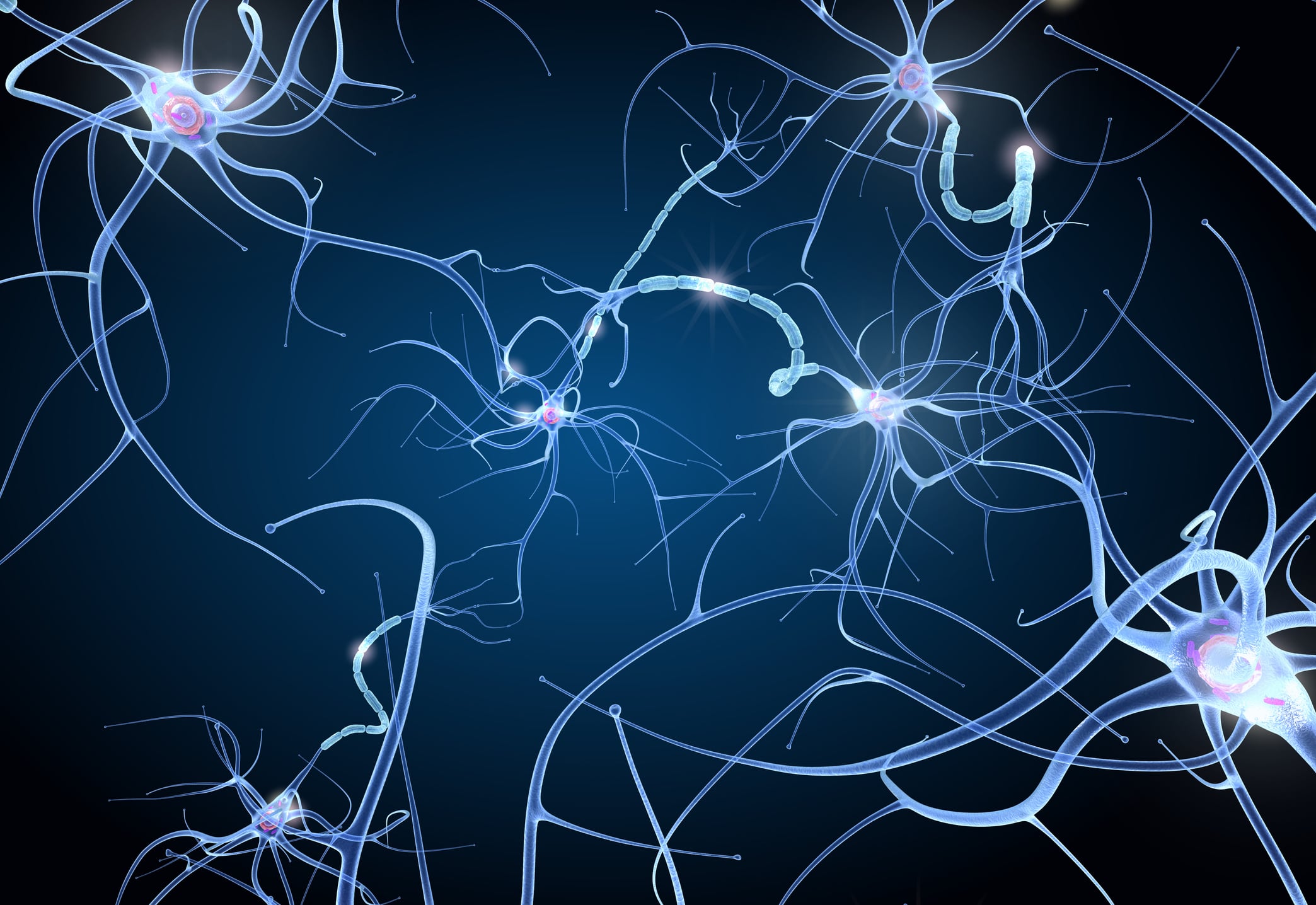
Depression is a disease with many faces. The form severity and course vary greatly from patient to patient. Unipolar depression with one or recurrent depressive episodes, bipolar depression with depressive and manic phases, and dysthymia are certainly the most common courses. The exact causes have not yet been deciphered. A multifactorial process is assumed [5]. A genetic predisposition, neurobiological disorders, and certain psychosocial factors form the basis of most explanatory models. Many studies point to an imbalance of the neurotransmitters serotonin, norepinephrine and dopamine in the synaptic cleft. Depressed patients often have lowered activity levels compared to healthy individuals. In addition, altered limbic system activity was noted during a depressive episode. The formation of new neurons is reduced or prevented. This could explain the increased psychological vulnerability.


Comprehensive therapy regime

According to the complex clinical picture and individual course, the treatment of depressed patients requires a multimodal, personalized therapy regime. The focus is on rapid symptom relief as well as improvement of quality of life and prevention of recurrences. This is because patients with residual symptoms have an 80% risk of relapse [6]. Essentially, therefore, treatment relies on psychotherapy and pharmacotherapy (box). Where the focus lies depends on the type and severity of depression. Other therapeutic components, such as psychoeducation, sociotherapy, relaxation techniques and occupational therapy can be used in a complementary manner.

In acute therapy, which usually lasts four to twelve weeks, an attempt is made to allow the symptoms to subside as far as possible until the patient is completely symptom-free. However, 30% of those affected do not respond or do not respond adequately to initial treatment with an antidepressant. A dose adjustment, a switch to another class of drugs, or a combination of several drugs is then indicated.


Maintenance therapy is intended to stabilize the patient to the extent that recurrence does not occur. Depressive episodes last up to 12 months. Accordingly, treatment must be continued for at least as long. Possible residual symptoms should also be considered.

Relapse prophylaxis begins as soon as the mood of the affected person has stabilized and the depressive episode has subsided. How long this is done depends on the number and severity of previous depressive episodes. When depression first occurs, the antidepressant is usually phased out and then stopped altogether.


Literature:

  1. www.bfs.admin.ch/bfs/de/home/statistiken/gesundheit/gesundheitszustand/psychische.html (last accessed on 10.02.2020)
  2. www.obsan.admin.ch/sites/default/files/publications/2017/obsan_bulletin_2017-05_d.pdf (last accessed on 10.02.2020)
  3. www.leitlinien.de/nvl/html/depression/kapitel-2 (last accessed on 10.02.2020)
  4. www.neurologen-und-psychiater-im-netz.org/psychiatrie-psychosomatik-psychotherapie/stoerungen-erkrankungen/depressionen/krankheitsbild/ (last accessed on 10.02.2020)
  5. www.neurologen-und-psychiater-im-netz.org/psychiatrie-psychosomatik-psychotherapie/stoerungen-erkrankungen/depressionen/ursachen/ (last accessed on 10.02.2020)
  6. www.sgad.ch/de/krankheitsbilder/depression-2 (last accessed on 10.02.2020)


InFo NEUROLOGY & PSYCHIATRY 2020; 18(2): 23-24.

Autoren
  • Leoni Burggraf
Publikation
  • InFo NEUROLOGIE & PSYCHIATRIE
Related Topics
  • Antidepressants
  • Depression
  • Depression Therapy
Previous Article
  • Primary hyperhidrosis

Comorbid depression and anxiety disorders are common

  • Dermatology and venereology
  • Education
  • Neurology
  • Psychiatry and psychotherapy
  • RX
  • Studies
View Post
Next Article
  • From symptom to diagnosis

Lumbargia: herniated disc (extrusion)

  • Cases
  • Education
  • General Internal Medicine
  • Neurology
  • Orthopedics
  • Radiology
  • RX
View Post
You May Also Like
View Post
  • 12 min
  • The Brain and the Motivation to Eat

Why is it so hard to lose weight?

    • RX
    • CME continuing education
    • Endocrinology and Diabetology
    • General Internal Medicine
    • Nutrition
    • Pharmacology and toxicology
    • Prevention and health care
    • Psychiatry and psychotherapy
    • Studies
View Post
  • 12 min
  • Global Recommendation, Swissmedic Approval, and SL Limitation

WHO Guidelines on GLP-1 for Obesity

    • RX
    • Cardiology
    • Education
    • Endocrinology and Diabetology
    • General Internal Medicine
    • Nutrition
    • Pharmacology and toxicology
    • Prevention and health care
    • Studies
View Post
  • 7 min
  • Obesity in Children and Adolescents

Gene-Environment Interactions: Polygenic or Monogenic Determinants?

    • RX
    • Education
    • General Internal Medicine
    • Genetics
    • Nutrition
    • Pediatrics
View Post
  • 18 min
  • From Risk Identification to Anti-Inflammatory Intervention

Inflammation as a Treatment Goal in Its Own Right

    • RX
    • Angiology
    • Cardiology
    • CME continuing education
    • Endocrinology and Diabetology
    • General Internal Medicine
    • Nutrition
    • Studies
View Post
  • 7 min
  • H. pylori infection: current study data

Fewer gastric carcinomas and peptic ulcers after eradication

    • RX
    • Gastroenterology and Hepatology
    • General Internal Medicine
    • Infectiology
    • Oncology
    • Studies
View Post
  • 4 min
  • From symptom to diagnosis

Pneumology – tracheal and bronchial calcifications

    • RX
    • Cases
    • Education
    • General Internal Medicine
    • Pneumology
    • Radiology
View Post
  • 3 min
  • Tinea capitis: Current Guidelines and Recommendations

What should be kept in mind when treating adult patients?

    • Dermatology and venereology
    • Education
    • Infectiology
    • Pharmacology and toxicology
    • RX
View Post
  • 7 min
  • Geriatric patients

Micronutrient Intake in Older Adults

    • RX
    • Education
    • General Internal Medicine
    • Geriatrics
    • Nutrition
  • IBD matters

    Zum Thema
Top CME content
  • 1
    Inflammation as a Treatment Goal in Its Own Right
  • 2
    Personalized Treatment Before a Planned Pregnancy
  • 3
    Current State of Knowledge and New Therapeutic Approaches
  • 4
    Why is it so hard to lose weight?
  • 5
    Functional limb preservation between infection control, vascular medicine and resurfacing

Newsletter

Sign up and stay up to date

Subscribe
Medizinonline Medizinonline
  • Contact
  • General terms and conditions
  • Imprint

Input your search keywords and press Enter.