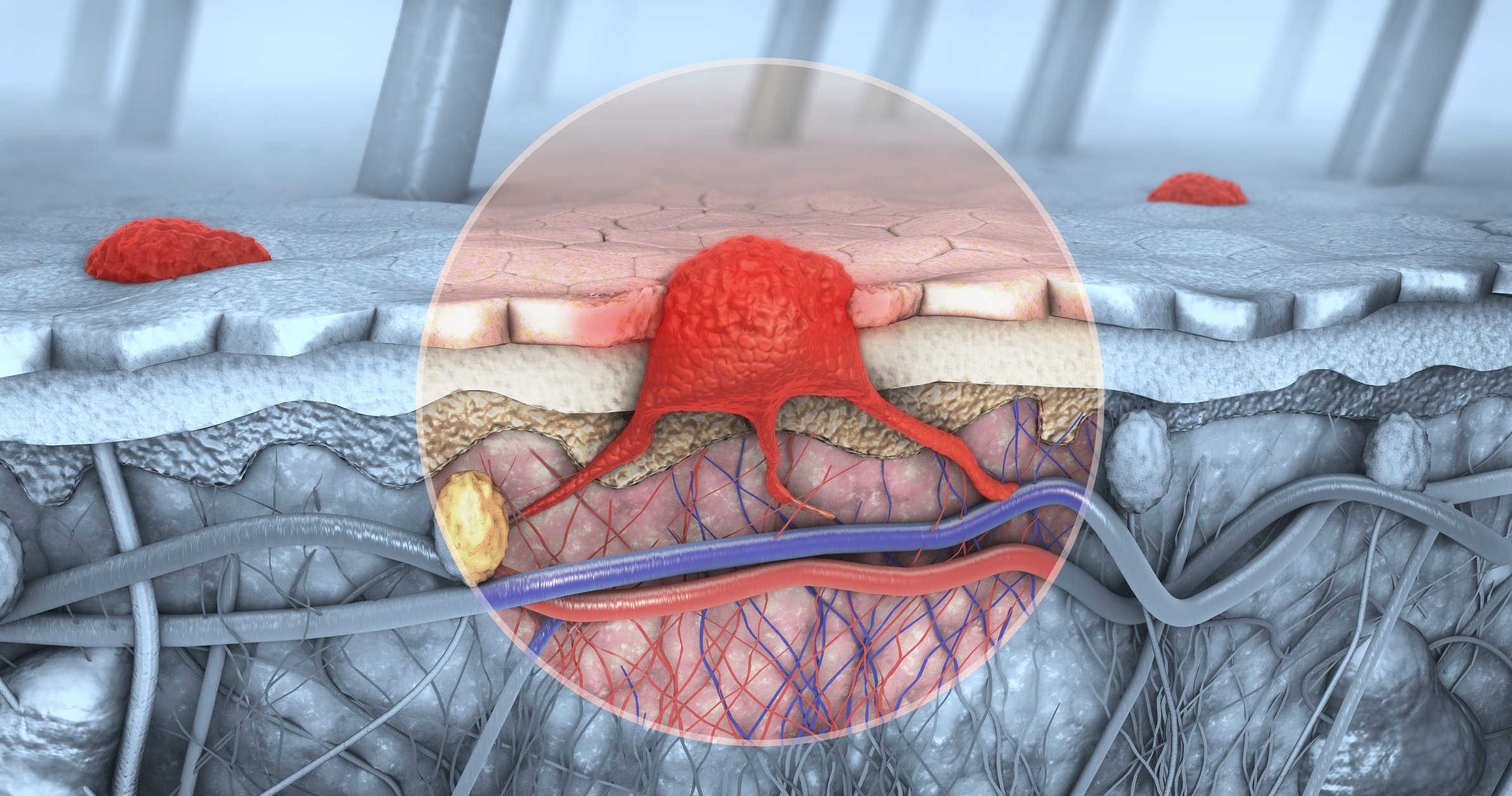
Musculoskeletal pain is complex and often underestimated. Pain sensitization plays an important role in chronification. In the long-term use of currently available analgesics, there may be conflicting goals with regard to pain relief and avoidance of side effect risks. In addition to research into new active substances, there is also a strand of research that deals with AI-supported therapy prediction using multi-omics. Prof. Dr. med. Lars Arendt-Nielsen, Aalborg University and Aalborg University Hospital (DK), summarized the current state of knowledge.
Autoren
- Mirjam Peter, M.Sc.
Publikation
- HAUSARZT PRAXIS
- InFo RHEUMATOLOGIE

Related Topics
You May Also Like
- Oncolytic virus in stage II melanoma
Innovative method for predicting therapy response
- Phimosis and penile cancer under SGLT2i
Increased risk for men with T2D
- Diabetic ketoacidosis
Recommendations for action in practice
- Migraine: better quality of life thanks to multimodal care
Broader selection of innovative migraine prophylactics and acute therapies
- Therapy of non-tumor-related pain
Do not prescribe opioids lightly for musculoskeletal pain
- "Forgotten axis" between plant substances, gut and systemic health
Microbiome and phytotherapy
- Migraine
Fremanezumab for comorbid migraine and depression
- Case study