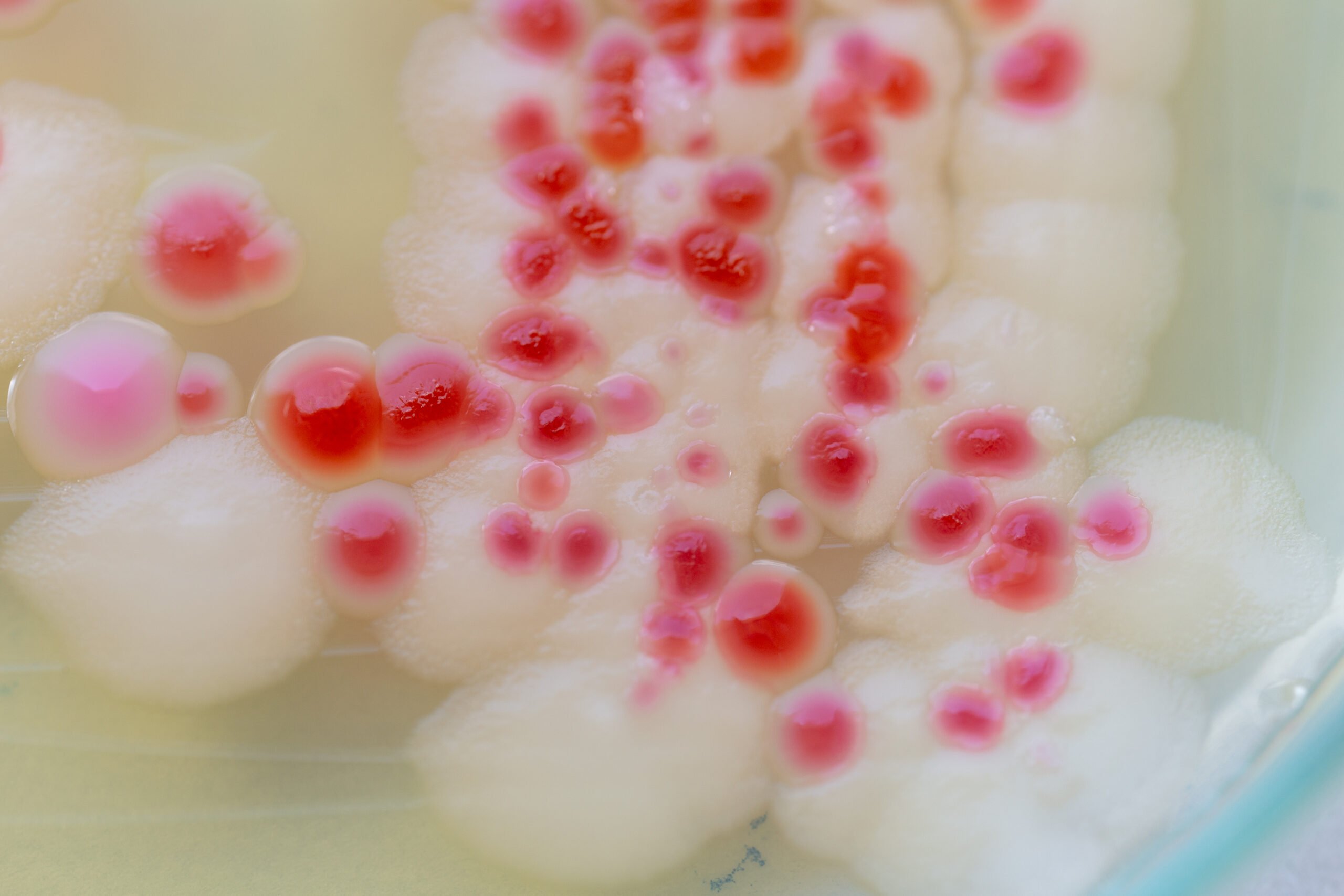
Immunocompromised individuals sometimes have a considerably increased risk of opportunistic infections. Serratia marcescens is a Gram-negative bacterium that belongs to the Enterobacteriaceae family and was identified as the pathogen in this case in a 69-year-old woman with metastatic lung cancer who was undergoing chemotherapy and had various secondary diagnoses. After a week of antibiotic treatment, the patient’s condition improved and she was discharged from hospital.
Autoren
- Mirjam Peter, M.Sc.
Publikation
- HAUSARZT PRAXIS
Related Topics
You May Also Like
- Wound treatment
Surgical wound complications
- Proteins in wound healing
Do special amino acids lead to success?
- Proteins in wound healing
Do special amino acids lead to success?
- Psychedelic-assisted therapy
Current status of PAT
- Hepatitis B prophylaxis
Vaccination protection for healthcare staff with patient contact – an update
- Plastic surgery and reconstructive microsurgery for DFS
Functional limb preservation between infection control, vascular medicine and resurfacing
- Chronic urticaria: new treatment alternatives in sight
If antihistamines are not sufficient and IgE levels are low
- Adrenogenital syndrome