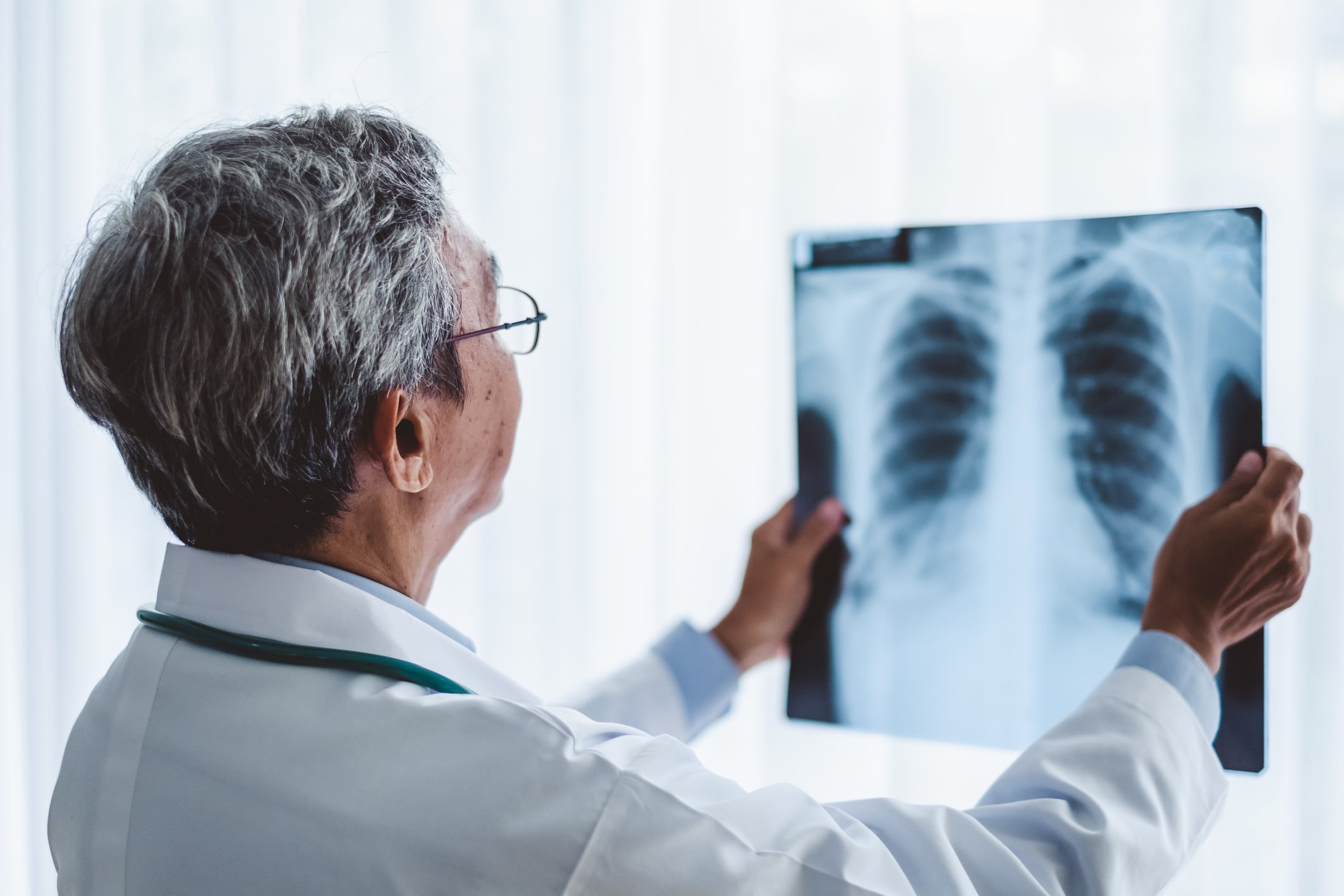
Imaging procedures – in particular computed tomography (CT) and magnetic resonance imaging (MRI) with and without contrast enhancement – are informative in the differential diagnosis of groin pain. The spectrum of possible causes includes gynecological, urological and internal etiologies.
Autoren
- Dr. med. Hans-Joachim Thiel
Publikation
- HAUSARZT PRAXIS

Related Topics
You May Also Like
- Modern system therapeutics for hidradenitis suppurativa
Immunological dysregulation in the sights of several biologics and “small molecules”
- Perimenopausal depression, PMDS and tokophobia
Psychosomatics and mental health in gynecology
- Proteins in wound healing
Do special amino acids lead to success?
- Plastic surgery and reconstructive microsurgery for DFS
Functional limb preservation between infection control, vascular medicine and resurfacing
- Polycystic ovary syndrome 2025/2026
New pathophysiology, updated diagnostics and the age of incretin mimetics
- Heart failure and type 2 diabetes
Oral semaglutide and cardiac decompensation in type 2 diabetes
- Atopic dermatitis as a door opener for an atopic cascade?
AD trajectories: Summary of current findings
- New evidence on descensus, urinary incontinence and the future of reconstruction