Medizinonline Medizinonline
  • News
    • News
    • Market & Medicine
  • Patients
    • Disease patterns
    • Diagnostics
    • Therapy
  • Partner Content
    • Diabetes
      • Dia-Month Club – Type 2 Diabetes
      • Diabetes in Motion
      • Diabetes Podcasts
    • Gastroenterology
      • IBD matters
    • Oncology
      • Swiss Oncology in motion
    • Orthopedics
      • Osteoporosis in motion
  • Departments
    • Allergology and clinical immunology
    • General Internal Medicine
    • Anesthesiology
    • Angiology
    • Surgery
    • Dermatology and venereology
    • Endocrinology and Diabetology
    • Nutrition
    • Gastroenterology and Hepatology
    • Genetics
    • Geriatrics
    • Gynecology
    • Hematology
    • Infectiology
    • Cardiology
    • Nephrology
    • Neurology
    • Emergency and intensive care medicine
    • Nuclear Medicine
    • Oncology
    • Ophthalmology
    • ORL
    • Orthopedics
    • Pediatrics
    • Pharmacology and toxicology
    • Pharmaceutical medicine
    • Phlebology
    • Physical medicine and rehabilitation
    • Pneumology
    • Prevention and health care
    • Psychiatry and psychotherapy
    • Radiology
    • Forensic Medicine
    • Rheumatology
    • Sports Medicine
    • Traumatology and trauma surgery
    • Tropical and travel medicine
    • Urology
    • Dentistry
  • CME & Congresses
    • CME continuing education
    • Congress Reports
    • Congress calendar
  • Practice
    • Noctimed
    • Practice Management
    • Jobs
    • Interviews
  • Log In
  • Register
  • My account
  • Contact
  • Publications
  • Contact
  • Deutsch
  • English
  • Français
  • Italiano
  • Português
  • Español
Subscribe
Medizinonline Medizinonline
  • News
    • News
    • Market & Medicine
  • Patienten
    • Krankheitsbilder
    • Diagnostik
    • Therapie
  • Partner Content
    • Diabetes
      • Dia-Month Club – Type 2 Diabetes
      • Diabetes in Motion
      • Diabetes Podcasts
    • Gastroenterology
      • IBD matters
    • Oncology
      • Swiss Oncology in motion
    • Orthopedics
      • Osteoporosis in motion
    • Phytotherapie
    • Rheumatology
  • Departments
    • Fachbereiche 1-13
      • Allergology and clinical immunology
      • General Internal Medicine
      • Anesthesiology
      • Angiology
      • Surgery
      • Dermatology and venereology
      • Endocrinology and Diabetology
      • Nutrition
      • Gastroenterology and Hepatology
      • Genetics
      • Geriatrics
      • Gynecology
      • Hematology
    • Fachbereiche 14-26
      • Infectiology
      • Cardiology
      • Nephrology
      • Neurology
      • Emergency and intensive care medicine
      • Nuclear Medicine
      • Oncology
      • Ophthalmology
      • ORL
      • Orthopedics
      • Pediatrics
      • Pharmacology and toxicology
      • Pharmaceutical medicine
    • Fachbereiche 26-38
      • Phlebology
      • Physical medicine and rehabilitation
      • Phytotherapy
      • Pneumology
      • Prevention and health care
      • Psychiatry and psychotherapy
      • Radiology
      • Forensic Medicine
      • Rheumatology
      • Sports Medicine
      • Traumatology and trauma surgery
      • Tropical and travel medicine
      • Urology
      • Dentistry
  • CME & Congresses
    • CME continuing education
    • Congress Reports
    • Congress calendar
  • Practice
    • Noctimed
    • Practice Management
    • Jobs
    • Interviews
Login

Sie haben noch keinen Account? Registrieren

  • Tattoo removal

How to avoid complications

    • Congress Reports
    • Dermatology and venereology
    • RX
  • 2 minute read

Modern laser medicine offers a wide range of possibilities and the demands of patients are high. This makes undesirable effects all the more serious. How can the risk of side effects be reduced?

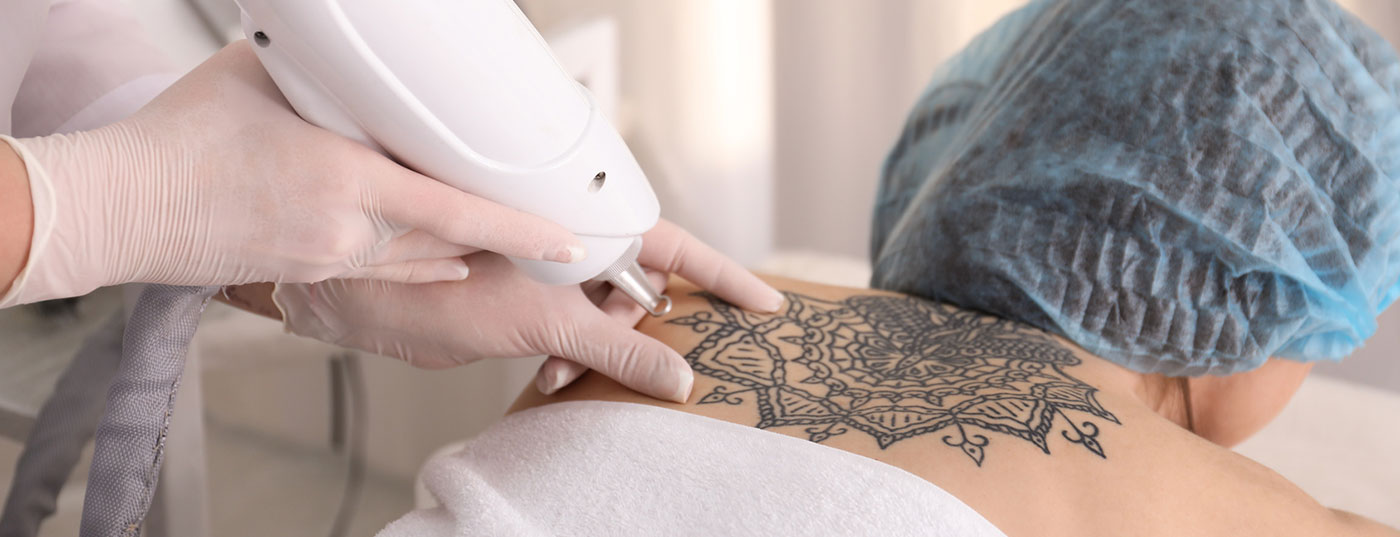
Using various case studies, Bettina Rümmelein, MD, specialist in dermatology and president of the SGML, Zurich, illustrated the effects of faulty laser treatments in connection with tattoo removal. Thanks to technological advances, results and side effect risks have improved greatly in recent years, so tattoo removal by laser is usually safer compared to other methods such as excision, dermabrasion, or salabrasion [1]. 


Control sources of error

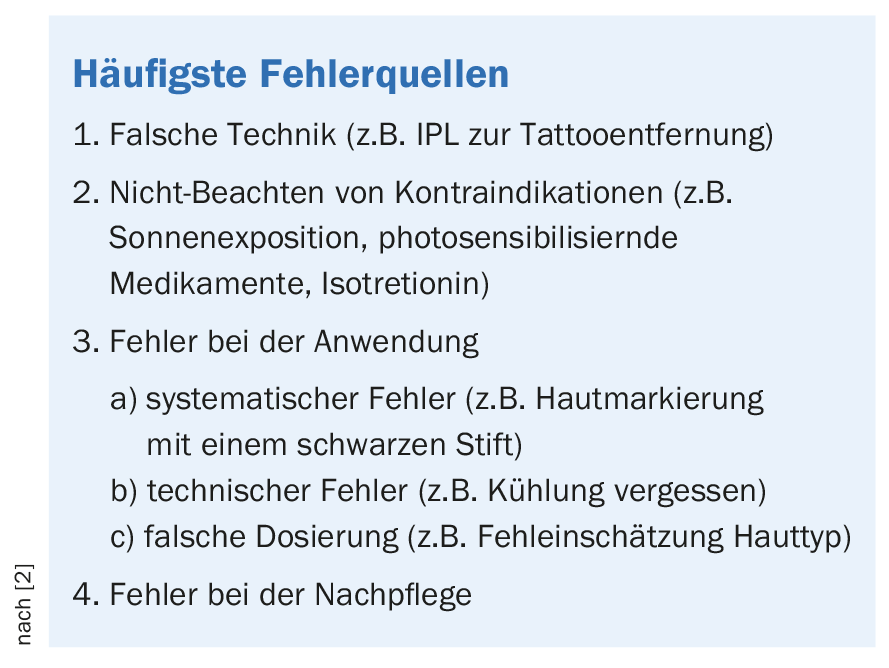
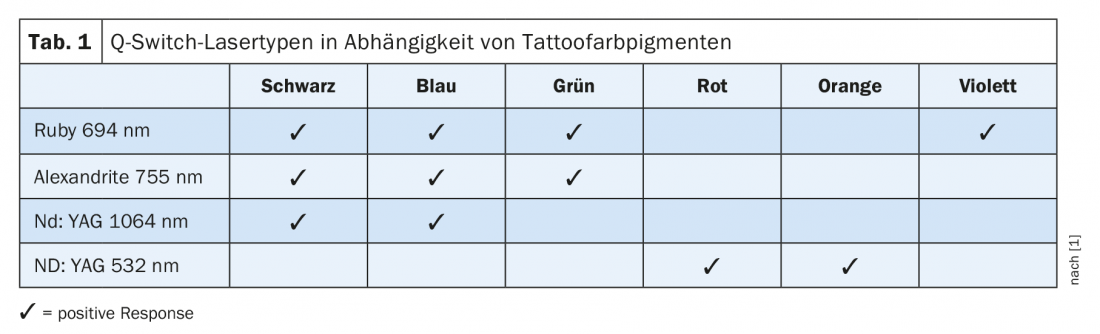
The reasons for poor outcomes are diverse and may be due to errors at all stages of treatment (box) [2]. To avoid contraindications, a detailed history should be taken (photosensitizing medications, isotretinoin treatment, herpes infection, type of tattoo, skin type, keloid tendencies, sun exposure habits) [1]. The selection of the appropriate laser device is also very central; the standard nowadays are Q-switched lasers (Tab. 1), although picosecond lasers are now also available, which achieve even better effects thanks to the ultra-short pulse duration.  During laser treatment, the most common sources of error are systematic (e.g., marking the skin with a black pen), technical (e.g., forgetting to cool), or dosage-related (e.g., incorrect dosage due to misjudgment of the skin type or an incorrect entry).


Inform transparently

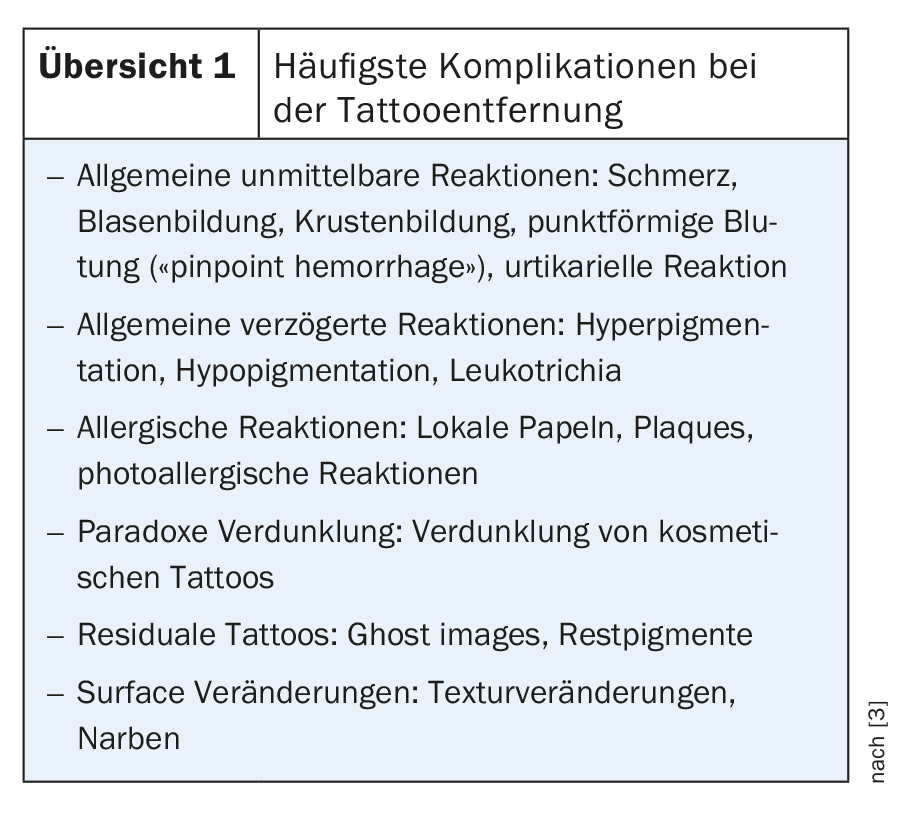
The patient should be informed about the benefits and risks of the treatment (informed consent); realistic expectations and a good relationship can have a positive effect on the course and outcome [1]. Tattoo removal using laser/selective photothermolysis is a lengthy procedure; on average, approximately 7-10 treatment sessions are required [1]. By taking the above precautions into account, the risk for the occurrence of acute and/or delayed complications (Overview 1) can be minimized, but cannot be completely excluded.


Regarding the post-treatment phase, patients should be instructed on the measures that can be taken to temporarily relieve frequent swelling, redness, and other skin irritations (e.g., cold compresses, antibiotic or other skin care products for about 10-14 days). If bubbles form, they can be lanced with a sterile needle and tied [1].

For a comparison of the baseline with the treatment result and progress, digital photos can be helpful, although the lecturer mentioned that in her experience some patients would have objections for psychological reasons regarding the further use of these pictures for the purpose of publication (e.g. fear that the tattoo artist would find out about it).

Source: SGML Lasers&Procedures, January 17, 2019, Zurich

Literature:

  1. Ho S, Goh CL: Laser Tattoo Removal: A Clinical Update. J Cutan Aesthet Surg 2015; 8(1): 9-15.
  2. Rümmelein B: Slide presentation, Bettina Rümmelein, MD, SGML Lasers&Procedures, Jan 17, 2019, Zurich.  
  3. Khunger N, Molpariya A, Khunger A: Complications of Tattoos and Tattoo Removal: Stop and think before you ink. J Cutan Aesthet Surg 2015; 8(1): 30-36.


DERMATOLOGIE PRAXIS 2019; 29(1): 29-30
Autoren
  • Mirjam Peter, M.Sc.
Publikation
  • DERMATOLOGIE PRAXIS
Related Topics
  • derabrasion
  • Laser
  • salabrasion
  • Tattoo
  • tattoo removal
Previous Article
  • Micronutrient iron

A look at biochemical basics

  • Education
  • General Internal Medicine
  • Nutrition
  • Prevention and health care
  • RX
  • Studies
View Post
Next Article
  • Neuroendocrine neoplasms

An entity in transition

  • Education
  • Endocrinology and Diabetology
  • Gastroenterology and Hepatology
  • Nuclear Medicine
  • Oncology
  • RX
View Post
You May Also Like
View Post
  • 5 min
  • Case study

Discoid Lupus Erythematosus in a 38-Year-Old Woman

    • RX
    • Allergology and clinical immunology
    • Cases
    • Dermatology and venereology
    • Education
    • General Internal Medicine
    • Pharmacology and toxicology
    • Rheumatology
View Post
  • 6 min
  • Hand and Finger Injuries

Preventing Permanent Functional Limitations

    • RX
    • Congress Reports
    • General Internal Medicine
    • Orthopedics
    • Physical medicine and rehabilitation
    • Sports Medicine
    • Surgery
View Post
  • 18 min
  • From an antidiabetic drug to a distinct class of cardiorenal therapies

The Incretin Revolution in Cardiology

    • RX
    • Cardiology
    • Education
    • Endocrinology and Diabetology
    • Nephrology
    • Studies
View Post
  • 3 min
  • Prostate Cancer

Intracrine and Metabolic Tumor Adaptation Under Androgen Deprivation

    • RX
    • Education
    • Oncology
    • Studies
    • Urology
View Post
  • 10 min
  • Alopecia areata in children, adolescents, and adults

New Guideline Classifies the Evidence Base for Topical and Systemic Therapies

    • RX
    • Allergology and clinical immunology
    • Dermatology and venereology
    • Education
    • Studies
View Post
  • 12 min
  • Cardiology and Nutrition

Ultra-Processed Foods and Cardiovascular Risk—The New AHA Position

    • RX
    • Cardiology
    • Endocrinology and Diabetology
    • General Internal Medicine
    • Nutrition
    • Prevention and health care
    • Studies
View Post
  • 7 min
  • Actinic keratoses

Targeted Treatment of Multiple AK Lesions—Balancing Efficacy and Convenience

    • RX
    • Allergology and clinical immunology
    • Congress Reports
    • Dermatology and venereology
    • Studies
View Post
  • 7 min
  • Obesity: A Multimodal and Interdisciplinary Approach

New Swiss Clinical Practice Guideline Provides Guidance

    • RX
    • Congress Reports
    • Endocrinology and Diabetology
    • General Internal Medicine
    • Nutrition
    • Prevention and health care
    • Studies
    • Surgery
  • IBD matters

    Zum Thema
Top CME content
  • 1
    Update on Anti-Rheumatic Medications
  • 2
    Psychiatry versus Neuro-Oncology: Diagnostic Pitfalls
  • 3
    Focus on preventive care options
  • 4
    Inflammation as a Treatment Goal in Its Own Right
  • 5
    Personalized Treatment Before a Planned Pregnancy

Newsletter

Sign up and stay up to date

Subscribe
Medizinonline Medizinonline
  • Contact
  • General terms and conditions
  • Imprint

Input your search keywords and press Enter.