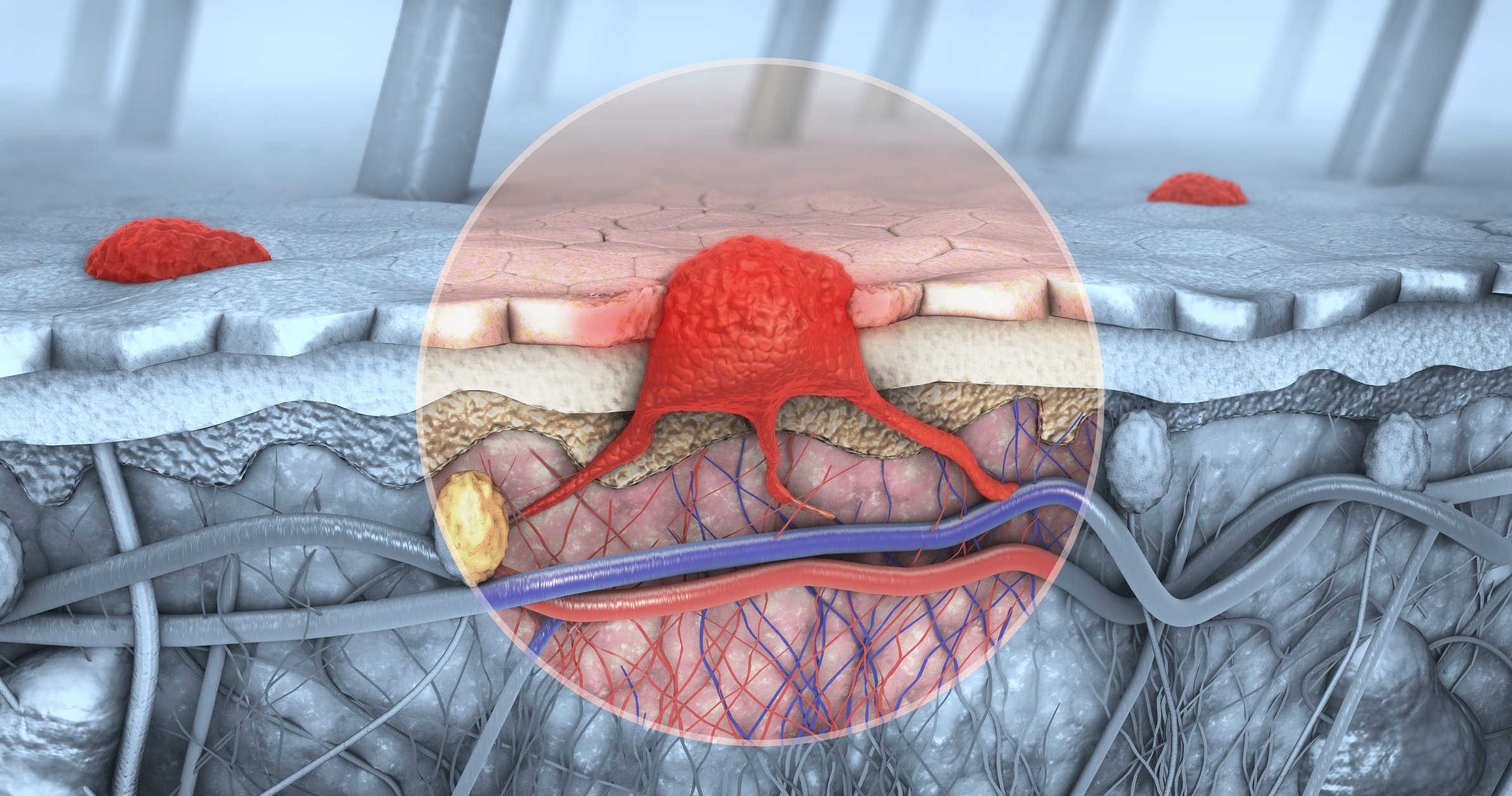
In recent years, sodium-glucose cotransporter 2 inhibitors (SGLT2i) have been widely used in the treatment of type 2 diabetes, as they not only provide improved glycemic control, but also offer cardiovascular and nephroprotective benefits. However, SGLT2i cause glycosuria, which can lead to infection and inflammation in the microenvironment of the foreskin. To date, very little data is available on the risk of these specific complications.
Autoren
- Jens Dehn
Publikation
- InFo DIABETOLOGIE & ENDOKRINOLOGIE
Related Topics
You May Also Like
- Well-being of the medical profession in primary care
Findings of a nationwide survey in Switzerland
- Severe asthma and CRSwNP
Multidisciplinary collaboration between pneumology, allergology and ENT
- Myelofibrosis
New findings on the role of inflammation in pathogenesis
- Incretin mimetics for obesity and prediabetes
Liraglutide, semaglutide and tirzepatide: considerable evidence base
- Treatment of infected wounds and wounds at risk of infection
Focus on an interdisciplinary perspective
- Chronic and hard-to-heal wounds
Benefit from the advantages of outpatient negative pressure wound therapy
- COPD
Even a single moderate exacerbation can be a predictor of mortality
- HER2+ metastatic breast cancer