Medizinonline Medizinonline
  • News
    • News
    • Market & Medicine
  • Patients
    • Disease patterns
    • Diagnostics
    • Therapy
  • Partner Content
    • Diabetes
      • Dia-Month Club – Type 2 Diabetes
      • Diabetes in Motion
    • Gastroenterology
      • IBD matters
    • Oncology
      • Swiss Oncology in motion
    • Orthopedics
      • Osteoporosis in motion
  • Departments
    • Allergology and clinical immunology
    • General Internal Medicine
    • Anesthesiology
    • Angiology
    • Surgery
    • Dermatology and venereology
    • Endocrinology and Diabetology
    • Nutrition
    • Gastroenterology and Hepatology
    • Genetics
    • Geriatrics
    • Gynecology
    • Hematology
    • Infectiology
    • Cardiology
    • Nephrology
    • Neurology
    • Emergency and intensive care medicine
    • Nuclear Medicine
    • Oncology
    • Ophthalmology
    • ORL
    • Orthopedics
    • Pediatrics
    • Pharmacology and toxicology
    • Pharmaceutical medicine
    • Phlebology
    • Physical medicine and rehabilitation
    • Pneumology
    • Prevention and health care
    • Psychiatry and psychotherapy
    • Radiology
    • Forensic Medicine
    • Rheumatology
    • Sports Medicine
    • Traumatology and trauma surgery
    • Tropical and travel medicine
    • Urology
    • Dentistry
  • CME & Congresses
    • CME continuing education
    • Congress Reports
    • Congress calendar
  • Practice
    • Noctimed
    • Practice Management
    • Jobs
    • Interviews
  • Log In
  • Register
  • My account
  • Contact
  • Publications
  • Contact
  • Deutsch
  • English
  • Français
  • Italiano
  • Português
  • Español
Subscribe
Medizinonline Medizinonline
  • News
    • News
    • Market & Medicine
  • Patienten
    • Krankheitsbilder
    • Diagnostik
    • Therapie
  • Partner Content
    • Diabetes
      • Dia-Month Club – Type 2 Diabetes
      • Diabetes in Motion
    • Gastroenterology
      • IBD matters
    • Oncology
      • Swiss Oncology in motion
    • Orthopedics
      • Osteoporosis in motion
    • Phytotherapie
    • Rheumatology
  • Departments
    • Fachbereiche 1-13
      • Allergology and clinical immunology
      • General Internal Medicine
      • Anesthesiology
      • Angiology
      • Surgery
      • Dermatology and venereology
      • Endocrinology and Diabetology
      • Nutrition
      • Gastroenterology and Hepatology
      • Genetics
      • Geriatrics
      • Gynecology
      • Hematology
    • Fachbereiche 14-26
      • Infectiology
      • Cardiology
      • Nephrology
      • Neurology
      • Emergency and intensive care medicine
      • Nuclear Medicine
      • Oncology
      • Ophthalmology
      • ORL
      • Orthopedics
      • Pediatrics
      • Pharmacology and toxicology
      • Pharmaceutical medicine
    • Fachbereiche 26-38
      • Phlebology
      • Physical medicine and rehabilitation
      • Phytotherapy
      • Pneumology
      • Prevention and health care
      • Psychiatry and psychotherapy
      • Radiology
      • Forensic Medicine
      • Rheumatology
      • Sports Medicine
      • Traumatology and trauma surgery
      • Tropical and travel medicine
      • Urology
      • Dentistry
  • CME & Congresses
    • CME continuing education
    • Congress Reports
    • Congress calendar
  • Practice
    • Noctimed
    • Practice Management
    • Jobs
    • Interviews
Login

Sie haben noch keinen Account? Registrieren

  • Insights into the interaction

Inflammation and fibrosis after myocardial infarction

    • Cardiology
    • RX
  • 2 minute read

Under the leadership of Prof. Dr. Florian Leuschner, Managing Senior Physician at the Department of Cardiology, Angiology and Pneumology at Heideberg University Hospital (UKHD), an international research team has begun its work. The researchers aim to investigate the interplay of inflammation and fibrosis after myocardial infarction in more detail and thus contribute to personalized treatment approaches.

Better understanding key components in the development of common heart diseases: Carefully regulated inflammatory and fibrosis processes are crucial for a good healing process after a heart attack. However, if there is an excess of inflammation or excessive storage of connective tissue structures – fibrosis – in the damaged heart tissue, this can cause the heart to change unfavorably after the infarction and become less efficient. “These two processes represent key components of the pathophysiology of the most common cardiac diseases. Currently, the cells and messengers that mediate these important pathological processes are not well defined. This is where we would like to start,” Leuschner said.  

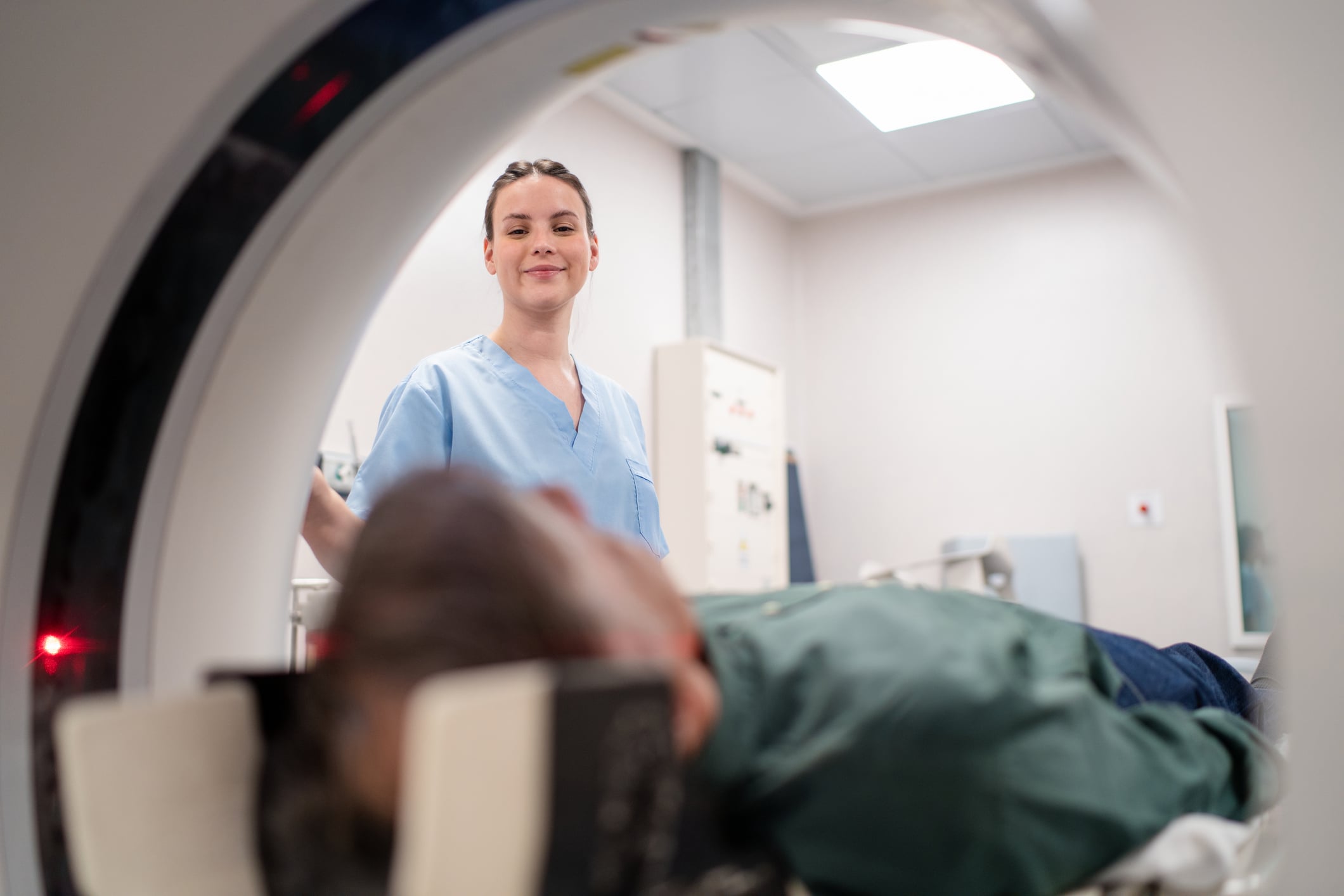
The researchers have set themselves four focal points: They want to better understand the interaction of inflammatory cells and fibroblasts and identify different groups of fibroblasts. With the help of positron emission tomography (PET), the team, in collaboration with Prof. Dr. Uwe Haberkorn, Medical Director of the Department of Nuclear Medicine at the UKHD, aims to image pathophysiological processes after a heart attack better and more gently for the patient, using, among other things, radiopharmaceuticals developed in nuclear medicine at the UKHD for imaging activated fibroblasts (FAPIs). Finally, therapeutic approaches will also be addressed: “Fibrosis is also referred to as `cancer of the heart’ in expert circles due to its highly damaging effect,” says the cardiologist. Interestingly, scientists are therefore considering as a possible treatment the use of CAR-T cells, which until now have been known more as new players in oncology. In this process, the body’s own immune cells are modified in a genetic engineering procedure so that they can recognize and combat certain harmful cells – including an excess of fibroblasts. 


Original publication:

F. Leuschner, M. Nahrendorf, Novel functions of macrophages in the heart: insights into electrical conduction, stress, and diastolic dysfunction, European Heart Journal, Volume 41, Issue 9, 1 March 2020, 989-994, doi.org/10.1093/eurheartj/ehz159.

Previous Article
  • Essential tremor

With surface electrostimulation against tremor

  • Neurology
  • RX
  • Studies
View Post
Next Article
  • Increased risk of dementia

A weak heart is bad for the brain

  • Cardiology
  • RX
View Post
You May Also Like
View Post
  • 8 min
  • Obesity: More than half of those affected have fatty liver disease

From screening to multimodal intervention with GLP-1-RA or resmetirom

    • RX
    • Education
    • Endocrinology and Diabetology
    • Gastroenterology and Hepatology
    • General Internal Medicine
    • Nutrition
    • Studies
View Post
  • 6 min
  • Innovative Oral Treatment Options for Psoriasis: Icotrokinra and Zasocitinib

First-class immunomodulation combined with convenience—the data available so far is convincing

    • RX
    • Congress Reports
    • Dermatology and venereology
    • Rheumatology
    • Studies
View Post
  • 4 min
  • Preclinical Study on a Special Ginkgo biloba Extract

What role do proanthocyanidins play?

    • RX
    • Education
    • General Internal Medicine
    • Geriatrics
    • Neurology
    • Pharmaceutical medicine
    • Pharmacology and toxicology
    • Phytotherapy
    • Studies
View Post
  • 6 min
  • Myasthenia gravis: immunomodulatory therapies for long-term treatment

Expanded Possibilities Thanks to Innovative Classes of Active Ingredients

    • RX
    • Congress Reports
    • General Internal Medicine
    • Neurology
    • Ophthalmology
    • Studies
View Post
  • 10 min
  • Interstitial Lung Diseases

Update on Idiopathic Pulmonary Fibrosis

    • RX
    • CME continuing education
    • Pneumology
    • Studies
View Post
  • 7 min
  • Plastic surgery and reconstructive microsurgery for DFS

Functional limb preservation between infection control, vascular medicine and resurfacing

    • RX
    • Angiology
    • CME continuing education
    • Dermatology and venereology
    • Endocrinology and Diabetology
    • General Internal Medicine
    • Geriatrics
    • Physical medicine and rehabilitation
    • Surgery
View Post
  • 7 min
  • Ischemic stroke: Are smaller or larger brain arteries affected?

Recent study findings on intravenous lysis therapy with fibrinolytic agents

    • RX
    • Congress Reports
    • Emergency and intensive care medicine
    • General Internal Medicine
    • Neurology
    • Pharmacology and toxicology
    • Studies
    • Surgery
View Post
  • 7 min
  • Interview

“On par with the gold standards for trauma”

    • RX
    • Education
    • Interviews
    • Neurology
    • Physical medicine and rehabilitation
    • Psychiatry and psychotherapy
    • Studies
  • IBD matters

    Zum Thema
Top CME content
  • 1
    Functional limb preservation between infection control, vascular medicine and resurfacing
  • 2
    Update on Idiopathic Pulmonary Fibrosis
  • 3
    Update on Idiopathic Pulmonary Fibrosis
  • 4
    Current status of PAT
  • 5
    Darier’s Disease, also known as Follicular Keratosis – Update 2026

Newsletter

Sign up and stay up to date

Subscribe
Medizinonline Medizinonline
  • Contact
  • General terms and conditions
  • Imprint

Input your search keywords and press Enter.