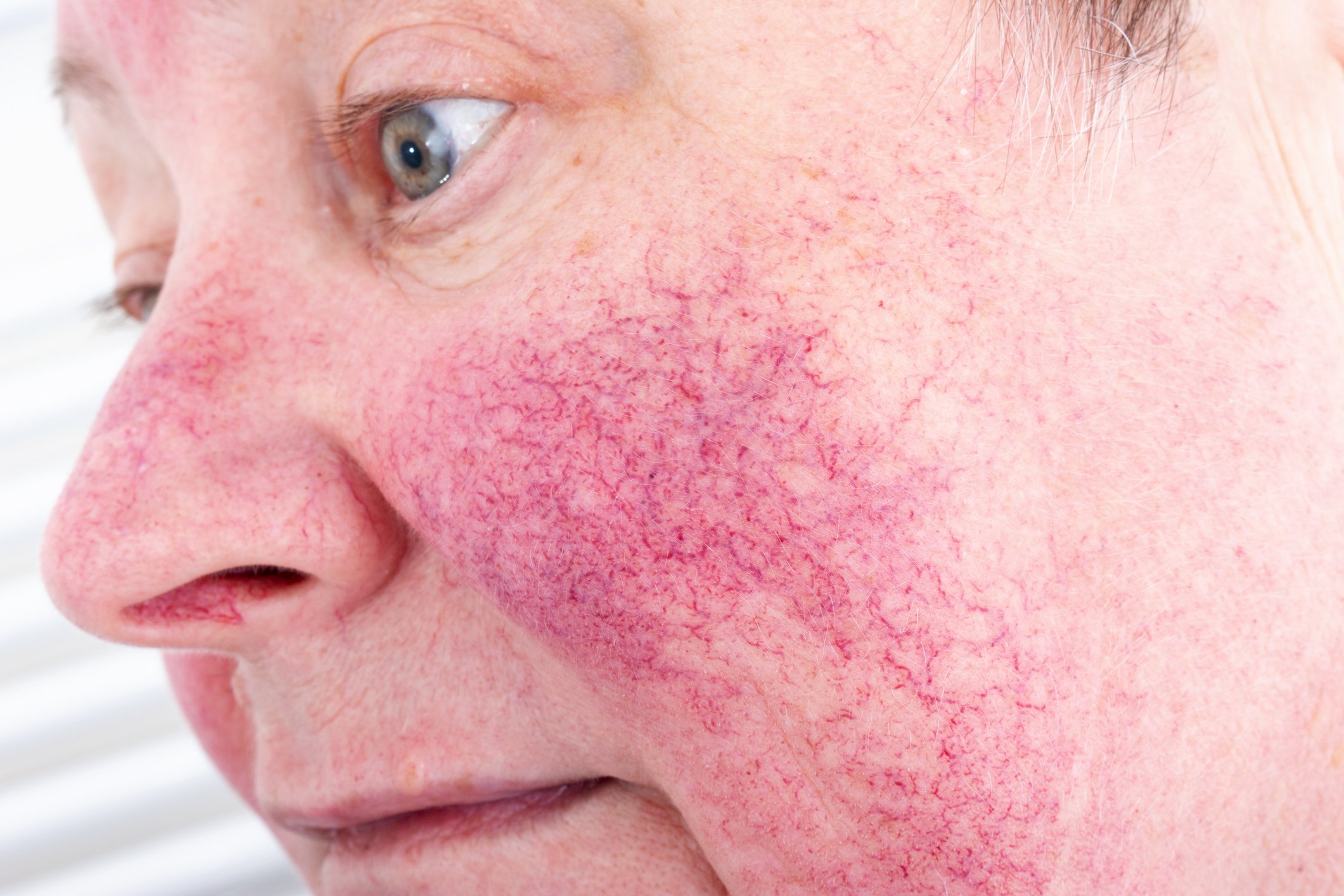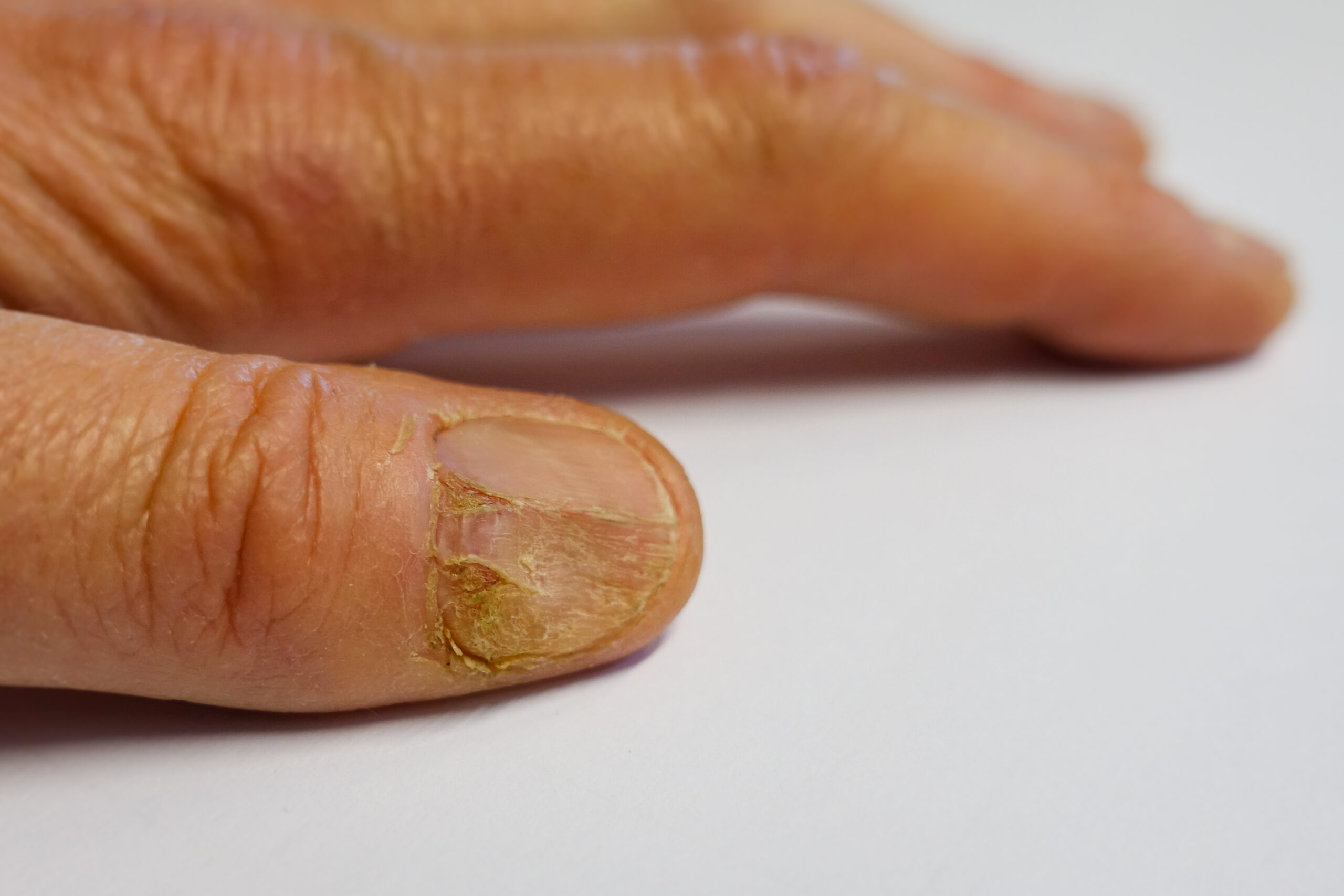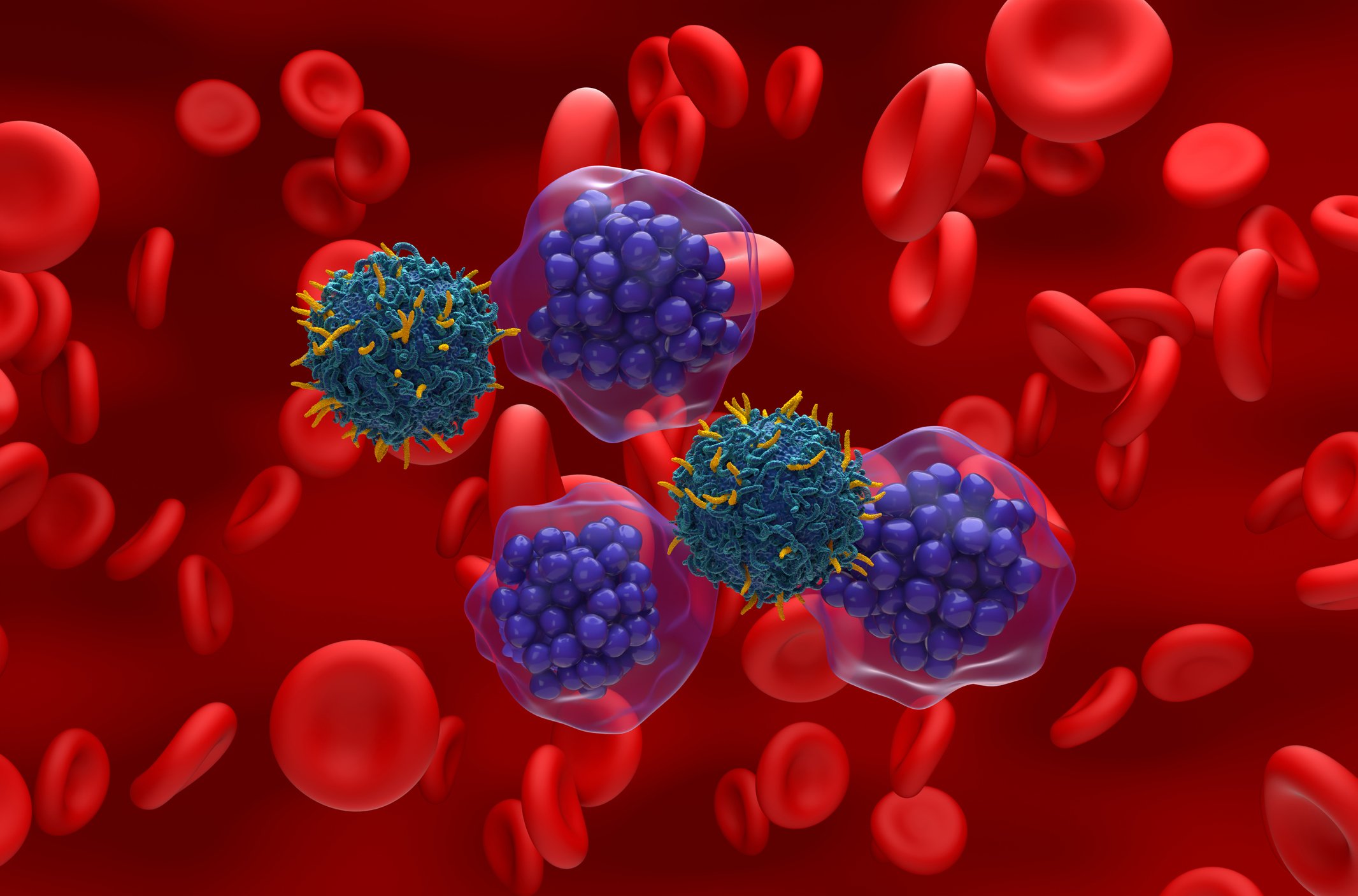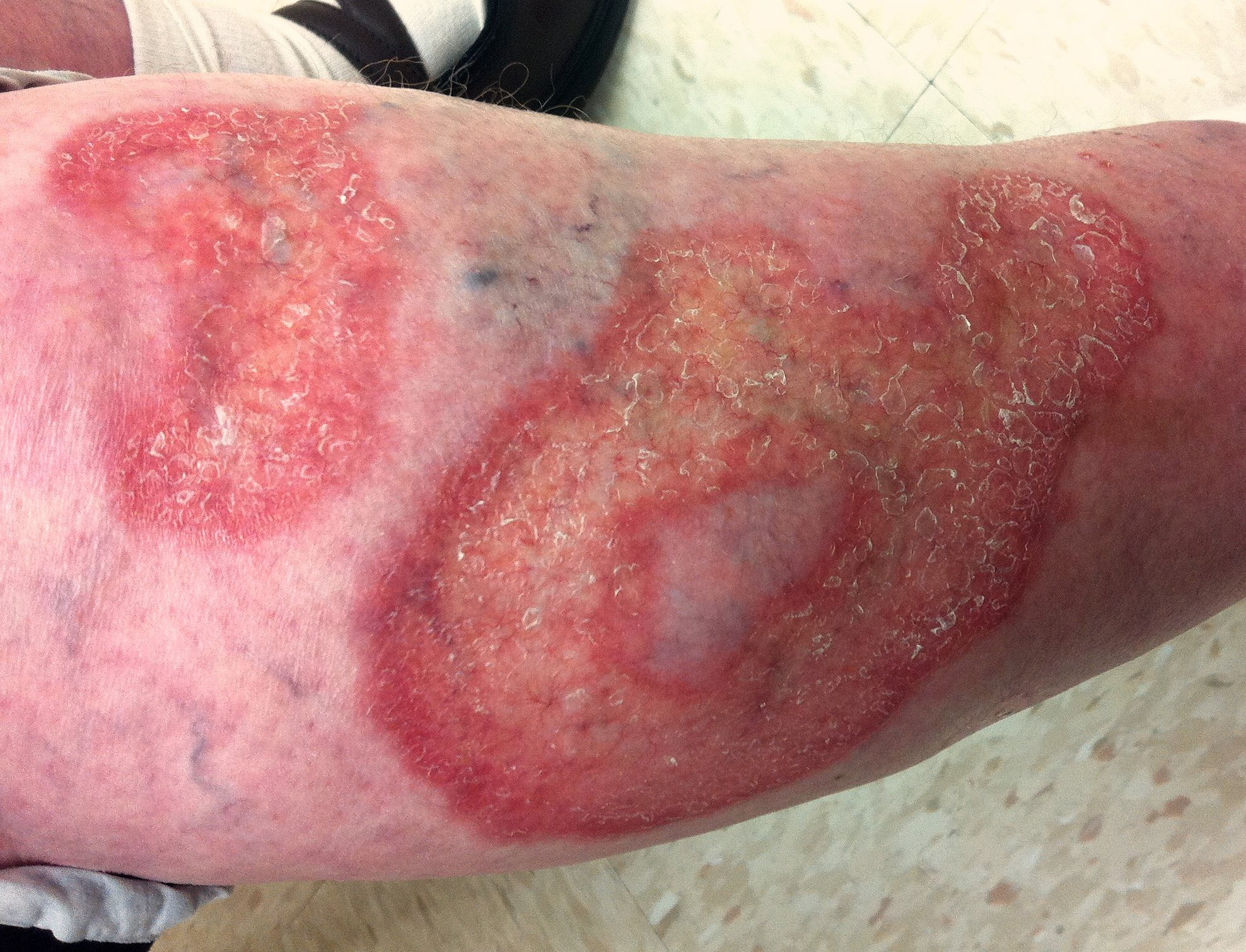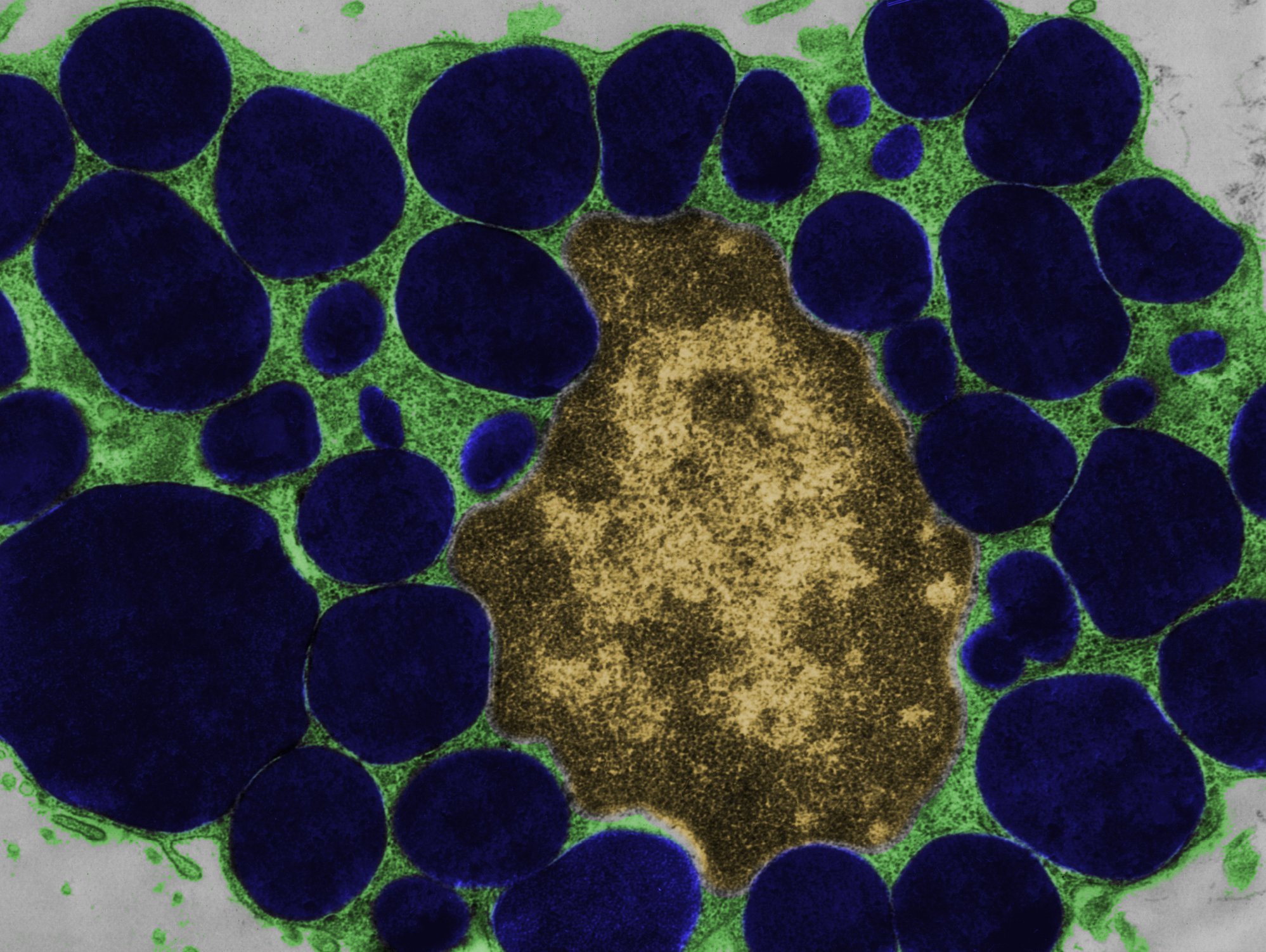
The treatment of mastocytosis has undergone a paradigm shift in recent years. A deeper molecular understanding of the disease has paved the way from a purely symptomatic to a targeted, disease-modifying therapy that directly addresses the root of the pathogenesis. In addition to other representatives of tyrosine kinase inhibitors (TKIs), experimental treatment strategies such as anti-KIT antibodies, BTK inhibitors, JAK-i and checkpoint inhibitors are currently being researched.
Autoren
- Mirjam Peter, M.Sc.
Publikation
- DERMATOLOGIE PRAXIS
Related Topics
You May Also Like
- Osteoporosis
Risk-stratified therapy with osteoanabolic agents improves outcomes
- "Swiss Health Care Atlas"
New indicator: medication for weight regulation
- AI in neurology
Control instead of a flood of data: AI makes big data and wearables usable
- Treatment of pancreatitis: current study data
How can the risk-benefit profile be improved?
- Prurigo and PN
Anti-inflammatory antipruritic therapy improves quality of life
- Pathophysiology, clinical significance and therapeutic consequences
Eosinophils in asthma
- Urothelial carcinoma
Perioperative innovations and organ-preserving strategies
- Artificial intelligence