Medizinonline Medizinonline
  • News
    • News
    • Market & Medicine
  • Patients
    • Disease patterns
    • Diagnostics
    • Therapy
  • Partner Content
    • Diabetes
      • Dia-Month Club – Type 2 Diabetes
      • Diabetes in Motion
    • Gastroenterology
      • IBD matters
    • Oncology
      • Swiss Oncology in motion
    • Orthopedics
      • Osteoporosis in motion
  • Departments
    • Allergology and clinical immunology
    • General Internal Medicine
    • Anesthesiology
    • Angiology
    • Surgery
    • Dermatology and venereology
    • Endocrinology and Diabetology
    • Nutrition
    • Gastroenterology and Hepatology
    • Genetics
    • Geriatrics
    • Gynecology
    • Hematology
    • Infectiology
    • Cardiology
    • Nephrology
    • Neurology
    • Emergency and intensive care medicine
    • Nuclear Medicine
    • Oncology
    • Ophthalmology
    • ORL
    • Orthopedics
    • Pediatrics
    • Pharmacology and toxicology
    • Pharmaceutical medicine
    • Phlebology
    • Physical medicine and rehabilitation
    • Pneumology
    • Prevention and health care
    • Psychiatry and psychotherapy
    • Radiology
    • Forensic Medicine
    • Rheumatology
    • Sports Medicine
    • Traumatology and trauma surgery
    • Tropical and travel medicine
    • Urology
    • Dentistry
  • CME & Congresses
    • CME continuing education
    • Congress Reports
    • Congress calendar
  • Practice
    • Noctimed
    • Practice Management
    • Jobs
    • Interviews
  • Log In
  • Register
  • My account
  • Contact
  • Publications
  • Contact
  • Deutsch
  • English
  • Français
  • Italiano
  • Português
  • Español
Subscribe
Medizinonline Medizinonline
  • News
    • News
    • Market & Medicine
  • Patienten
    • Krankheitsbilder
    • Diagnostik
    • Therapie
  • Partner Content
    • Diabetes
      • Dia-Month Club – Type 2 Diabetes
      • Diabetes in Motion
    • Gastroenterology
      • IBD matters
    • Oncology
      • Swiss Oncology in motion
    • Orthopedics
      • Osteoporosis in motion
    • Phytotherapie
    • Rheumatology
  • Departments
    • Fachbereiche 1-13
      • Allergology and clinical immunology
      • General Internal Medicine
      • Anesthesiology
      • Angiology
      • Surgery
      • Dermatology and venereology
      • Endocrinology and Diabetology
      • Nutrition
      • Gastroenterology and Hepatology
      • Genetics
      • Geriatrics
      • Gynecology
      • Hematology
    • Fachbereiche 14-26
      • Infectiology
      • Cardiology
      • Nephrology
      • Neurology
      • Emergency and intensive care medicine
      • Nuclear Medicine
      • Oncology
      • Ophthalmology
      • ORL
      • Orthopedics
      • Pediatrics
      • Pharmacology and toxicology
      • Pharmaceutical medicine
    • Fachbereiche 26-38
      • Phlebology
      • Physical medicine and rehabilitation
      • Phytotherapy
      • Pneumology
      • Prevention and health care
      • Psychiatry and psychotherapy
      • Radiology
      • Forensic Medicine
      • Rheumatology
      • Sports Medicine
      • Traumatology and trauma surgery
      • Tropical and travel medicine
      • Urology
      • Dentistry
  • CME & Congresses
    • CME continuing education
    • Congress Reports
    • Congress calendar
  • Practice
    • Noctimed
    • Practice Management
    • Jobs
    • Interviews
Login

Sie haben noch keinen Account? Registrieren

  • Cardiovascular complications

Late effects of oncological diseases

    • Cardiology
    • Education
    • Oncology
    • Pediatrics
    • RX
  • 2 minute read

Thanks to state-of-the-art diagnostic and therapeutic options, almost all children and adolescents who develop cancer can be cured today. However, the consequences of such hemato-oncological treatment should not be ignored. Cardiovascular complications are at the top of the list.

The survival rate of children and adolescents who develop cancer has been increased to over 80% in recent years. Nevertheless, their life expectancy is reduced because late effects resulting from cancer therapy cannot be ruled out. Up to 70% of all patients suffer from such health impairments 30 years after the end of treatment. These can affect different organs and potentially be life-threatening again, such as another cancer or severe heart failure. Common fatal outcomes after childhood cancer are secondary malignant neoplasms and cardiac problems.

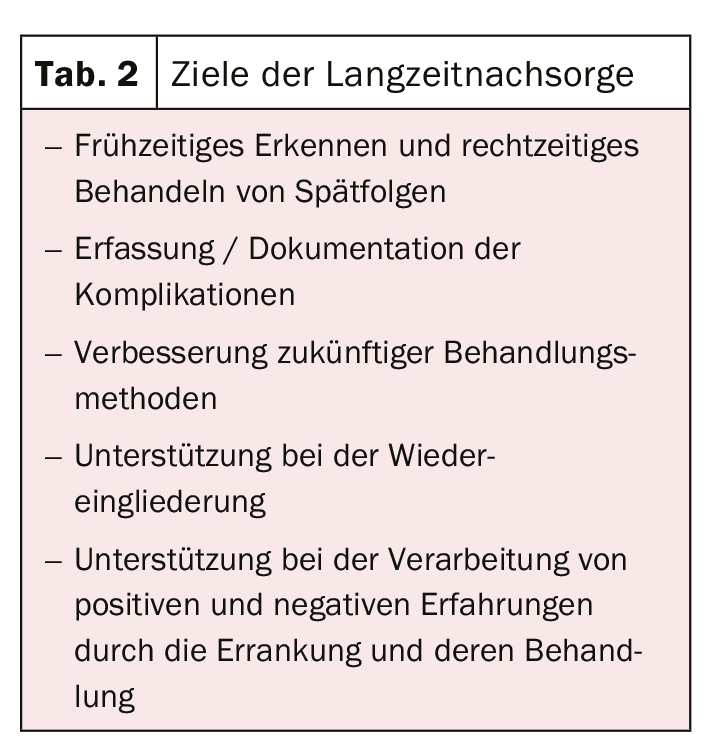
The risk of complications is influenced by individual factors such as previous diseases, age, gender and genetic predisposition. But of course the type of oncological therapy also plays a major role. Experts advocate an individualized follow-up plan, as many diseases can be treated well in the early stages. However, since the affected individuals then no longer fall under the purview of pediatric oncologists, an interdisciplinary approach is required.


The most common complications at a glance

The most common late effects can be found in the endocrine area. Endocrinopathies occur because radiotherapy can lead to dysfunction of endocrine organs. Thyroid disorders, hypothalamic-pituitary system disorders, or gonadal dysfunctions occur in more than one in two. The latter can be found mainly after chemotherapies. Radiation therapies are usually more likely to result in thyroid dysfunction or neoplasia.


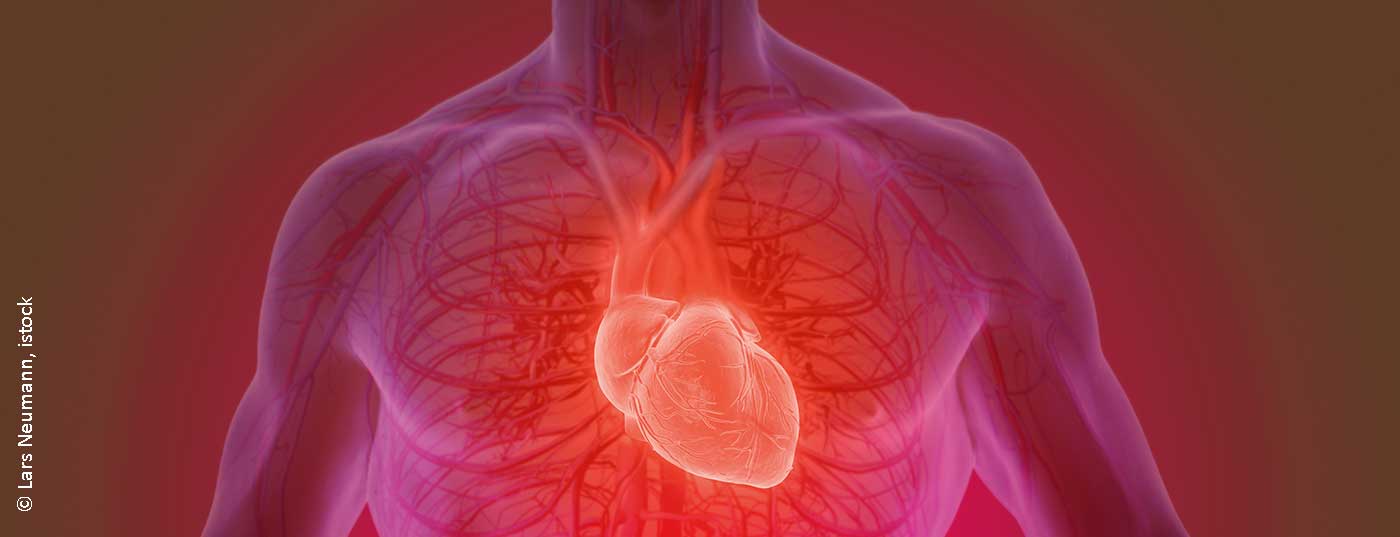
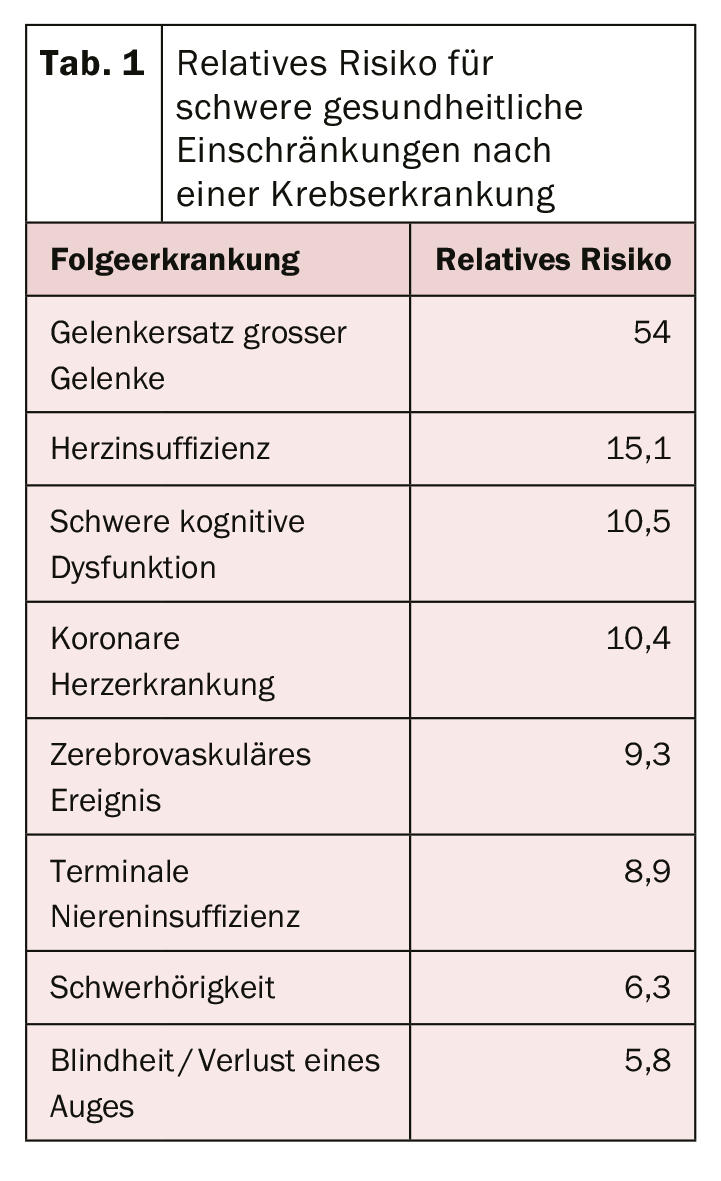
The most serious and potentially life-threatening consequences include cardiac disease. Cardiomyopathies, valvular changes, arrhythmias or coronary heart disease can be treated well initially, but often the right time is missed and the disease progresses. The likelihood of cardiac complications increases, especially with anthracycline-containing chemotherapy and thoracic radiotherapy. A combination of both treatments, as used primarily in Hodgkin’s disease, further increases the risk. Overall, the relative risk of heart failure is increased by a factor of 15 for patients with childhood cancer. In addition, sufferers are also seven to eight times more likely to experience early cardiac-related mortality. According to the current guideline of the International Guideline Harmonization Group, a regular echocardiographic checkup should be performed because the risk of cardiomyopathies is significantly increased.


Further reading:

  • www.awmf.org/uploads/tx_szleitlinien/025-003l_S1_Nachsorge_von_krebskranken_Kindern_Jugendlichen_06-2013-abgelaufen.pdf (last accessed on 2019-09-14)
  • Kaatsch P, Spix C: German Childhood Cancer Registry – Annual Report 2017 (1980 – 2016).
  • www.ighg.org/guidelines/topics/ (last accessed on 2019-09-15)
  • Armenian SH et al. Recommendations for cardiomyopathy surveillance for survivors of childhood cancer: a report from the International Late Effects of Childhood Cancer Guideline Harmonization Group. The Lancet Oncology 2015; 3:e123-e136
  • www.kinderkrebsinfo.de/patienten/nachsorge/spaetfolgen___langzeitnachsorge/einfuehrung/index_ger.html (last accessed on 2019-09-14)


CARDIOVASC 2019; 18(5): 20

Autoren
  • Leoni Burggraf
Publikation
  • CARDIOVASC
Previous Article
  • Type 2 diabetes

Multifactorial goal-directed therapy for under-50s.

  • Congress Reports
  • Endocrinology and Diabetology
  • General Internal Medicine
  • Partner Content
  • RX
  • Studies
View Post
Next Article
  • Psychooncology

Strengthen doctor-patient relationship

  • News
  • Oncology
  • Prevention and health care
  • Psychiatry and psychotherapy
  • RX
View Post
You May Also Like
View Post
  • 4 min
  • Multiple sclerosis

Physical and psychosocial fatigue have the greatest impact on HRQoL

    • RX
    • Education
    • Neurology
    • Psychiatry and psychotherapy
    • Studies
View Post
  • 9 min
  • Congenital Vascular Malformations

Personalized Treatment Before a Planned Pregnancy

    • Cardiology
    • Angiology
    • CME continuing education
    • General Internal Medicine
    • Genetics
    • Gynecology
    • Radiology
    • Surgery
View Post
  • 8 min
  • Hyperhidrosis: Keep a Cool Head

An Overview of Important Treatment Options

    • RX
    • Dermatology and venereology
    • Education
    • General Internal Medicine
    • Pharmacology and toxicology
    • Studies
View Post
  • 6 min
  • This article was sponsored by Johnson & Johnson.

Give your patients a chance to live longer without progression with TECVAYLI® + DARZALEX® compared to DPd/DVd1

    • RX
    • Hematology
    • Oncology
    • Partner Content
    • Studies
View Post
  • 6 min
  • Sjögren's Syndrome in Early Childhood

Children often develop lymphomas

    • RX
    • Education
    • Pediatrics
    • Rheumatology
    • Studies
View Post
  • 14 min
  • Rare Genodermatoses: From Diagnosis to Treatment

Darier’s Disease, also known as Follicular Keratosis – Update 2026

    • CME continuing education
    • Cases
    • Dermatology and venereology
    • Pharmacology and toxicology
    • RX
    • Studies
View Post
  • 12 min
  • Multidrug-Resistant Pathogens in Wound Care

An Enemy in the Microbiome?

    • Dermatology and venereology
    • CME continuing education
    • Infectiology
    • Physical medicine and rehabilitation
    • Prevention and health care
    • RX
    • Surgery
View Post
  • 9 min
  • Psychedelic-assisted therapy

Current status of PAT

    • RX
    • CME continuing education
    • General Internal Medicine
    • Pharmacology and toxicology
    • Psychiatry and psychotherapy
    • Studies
  • IBD matters

    Zum Thema
Top CME content
  • 1
    Darier’s Disease, also known as Follicular Keratosis – Update 2026
  • 2
    An Enemy in the Microbiome?
  • 3
    Evidence-Based Neuromodulation Based on Clinical Trials and Real-World Data
  • 4
    Current status of PAT
  • 5
    Development, Diagnosis, Epidemiology, and Treatment of a Disease Entity

Newsletter

Sign up and stay up to date

Subscribe
Medizinonline Medizinonline
  • Contact
  • General terms and conditions
  • Imprint

Input your search keywords and press Enter.