Medizinonline Medizinonline
  • News
    • News
    • Market & Medicine
  • Patients
    • Disease patterns
    • Diagnostics
    • Therapy
  • Partner Content
    • Dermatology
      • Atopic dermatitis and psoriasis news
    • Diabetes
      • Dia-Month Club – Type 2 Diabetes
      • Diabetes in Motion
      • Diabetes Podcasts
    • Gastroenterology
      • IBD matters
    • Oncology
      • Swiss Oncology in motion
    • Orthopedics
      • Osteoporosis in motion
  • Departments
    • Allergology and clinical immunology
    • General Internal Medicine
    • Anesthesiology
    • Angiology
    • Surgery
    • Dermatology and venereology
    • Endocrinology and Diabetology
    • Nutrition
    • Gastroenterology and Hepatology
    • Genetics
    • Geriatrics
    • Gynecology
    • Hematology
    • Infectiology
    • Cardiology
    • Nephrology
    • Neurology
    • Emergency and intensive care medicine
    • Nuclear Medicine
    • Oncology
    • Ophthalmology
    • ORL
    • Orthopedics
    • Pediatrics
    • Pharmacology and toxicology
    • Pharmaceutical medicine
    • Phlebology
    • Physical medicine and rehabilitation
    • Pneumology
    • Prevention and health care
    • Psychiatry and psychotherapy
    • Radiology
    • Forensic Medicine
    • Rheumatology
    • Sports Medicine
    • Traumatology and trauma surgery
    • Tropical and travel medicine
    • Urology
    • Dentistry
  • CME & Congresses
    • CME continuing education
    • Congress Reports
    • Congress calendar
  • Practice
    • Noctimed
    • Practice Management
    • Jobs
    • Interviews
  • Log In
  • Register
  • My account
  • Contact
  • Publications
  • Contact
  • Deutsch
  • English
  • Français
  • Italiano
  • Português
  • Español
Subscribe
Medizinonline Medizinonline
  • News
    • News
    • Market & Medicine
  • Patienten
    • Krankheitsbilder
    • Diagnostik
    • Therapie
  • Partner Content
    • Dermatology
      • Atopic dermatitis and psoriasis news
    • Diabetes
      • Dia-Month Club – Type 2 Diabetes
      • Diabetes in Motion
      • Diabetes Podcasts
    • Gastroenterology
      • IBD matters
    • Oncology
      • Swiss Oncology in motion
    • Orthopedics
      • Osteoporosis in motion
    • Phytotherapie
    • Rheumatology
  • Departments
    • Fachbereiche 1-13
      • Allergology and clinical immunology
      • General Internal Medicine
      • Anesthesiology
      • Angiology
      • Surgery
      • Dermatology and venereology
      • Endocrinology and Diabetology
      • Nutrition
      • Gastroenterology and Hepatology
      • Genetics
      • Geriatrics
      • Gynecology
      • Hematology
    • Fachbereiche 14-26
      • Infectiology
      • Cardiology
      • Nephrology
      • Neurology
      • Emergency and intensive care medicine
      • Nuclear Medicine
      • Oncology
      • Ophthalmology
      • ORL
      • Orthopedics
      • Pediatrics
      • Pharmacology and toxicology
      • Pharmaceutical medicine
    • Fachbereiche 26-38
      • Phlebology
      • Physical medicine and rehabilitation
      • Phytotherapy
      • Pneumology
      • Prevention and health care
      • Psychiatry and psychotherapy
      • Radiology
      • Forensic Medicine
      • Rheumatology
      • Sports Medicine
      • Traumatology and trauma surgery
      • Tropical and travel medicine
      • Urology
      • Dentistry
  • CME & Congresses
    • CME continuing education
    • Congress Reports
    • Congress calendar
  • Practice
    • Noctimed
    • Practice Management
    • Jobs
    • Interviews
Login

Sie haben noch keinen Account? Registrieren

  • Removal of pathogenic substances

Lipoproteinapheresis – therapeutic option for familial hypercholesterolemia

    • Cardiology
    • Education
    • Hematology
    • RX
  • 2 minute read

Patients with familial hypercholesterolemia in homozygous expression and patients with severe hypercholesterolemia require extracorporeal removal of pathogenic proteins, protein-bound pathogenic substances, or cells from the blood. Lipoprotein apheresis appears to be effective in reducing the risk of adverse cardiovascular events.

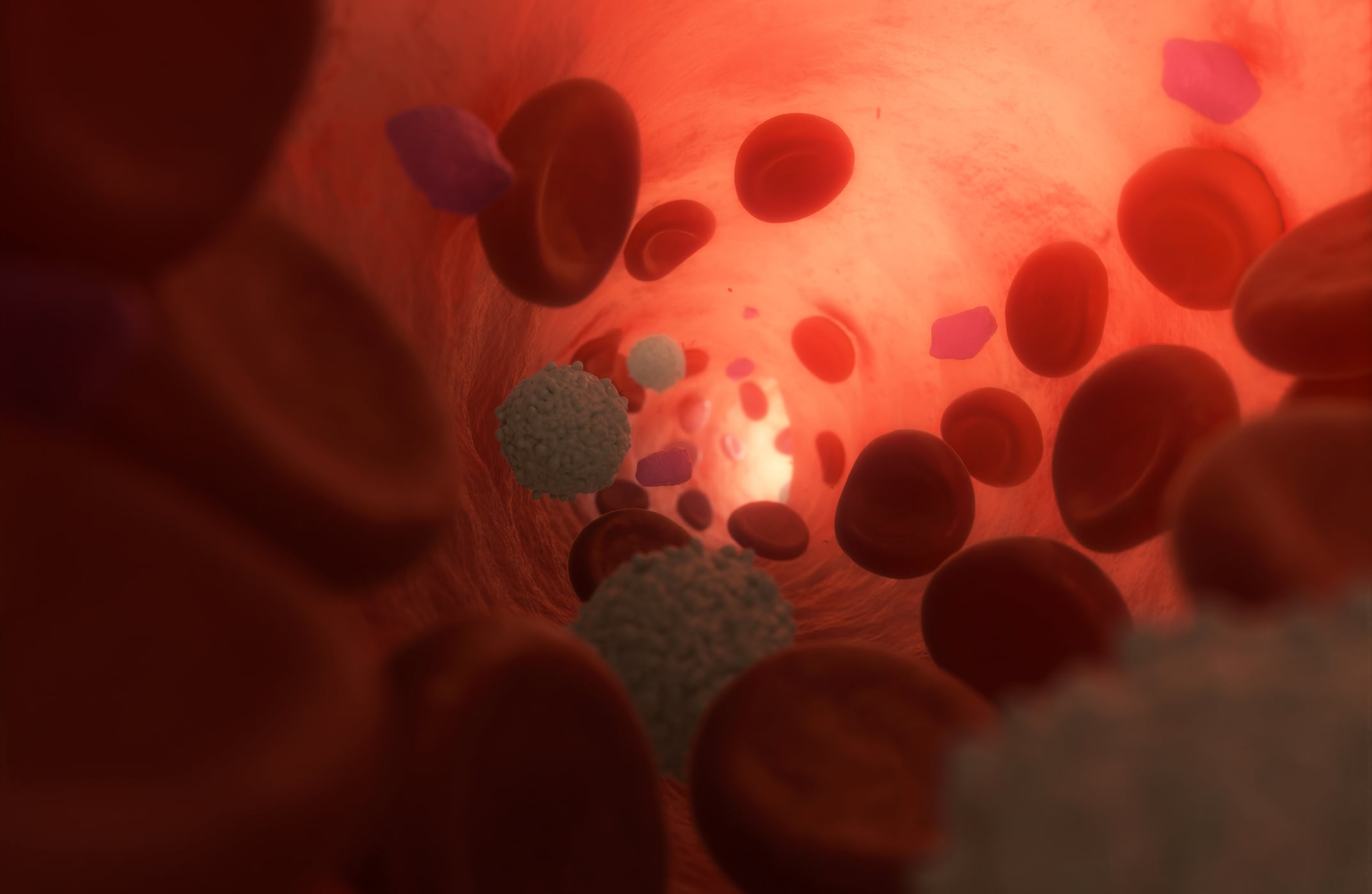
Apheresis is the extracorporeal removal of pathogenic proteins, protein-bound pathogenic substances, or cells from the blood [1]. The plasma is separated from the cellular elements via an appropriate filter or with the aid of differential centrifugation. In plasmapheresis, plasma is usually replaced by an albumin solution. It is used, for example, in the treatment of highly sensitized patients to remove preformed HLA antibodies before planned kidney transplantation or in thrombotic microangiopathy after bone marrow transplantation [2].

Lipoprotein apheresis in focus

However, due to the loss of a broad spectrum of plasma proteins, plasmapherse is not indicated for long-term chronic treatments. Selective plasmapheresis, or lipoprotein apheresis, appears to be much more suitable for this purpose. After primary separation of the plasma, pathogenic proteins are removed from it by adsorption, precipitation or filtration, and the purified plasma is reinfused. This ensures greater specificity and almost complete return of blood components.

The apheresis treatment at a glance

With approximately 2000 patients annually, lipoprotein apheresis accounts for the largest proportion of specific apheresis procedures [3]. H.E.L.P., DALI, IA, MDF and DSA in particular have established themselves here. In heparin-induced extracorporeal lipoprotein/fibrinogen precipitation, for example, the separated plasma is mixed with an acetate buffer saturated with heparin. Thus, the acidity of plasma is lowered and LDL cholesterol, LPA, and fibrinogen form water-insoluble precipitates together with the heparin supplement. These can then be removed from the plasma in a filtration step.  The plasma purified in this way and subsequently brought to a physiologically acceptable level by ultrafiltration is then mixed with the remaining blood components and returned to the patient [4].

Reduction of cardiovascular risk

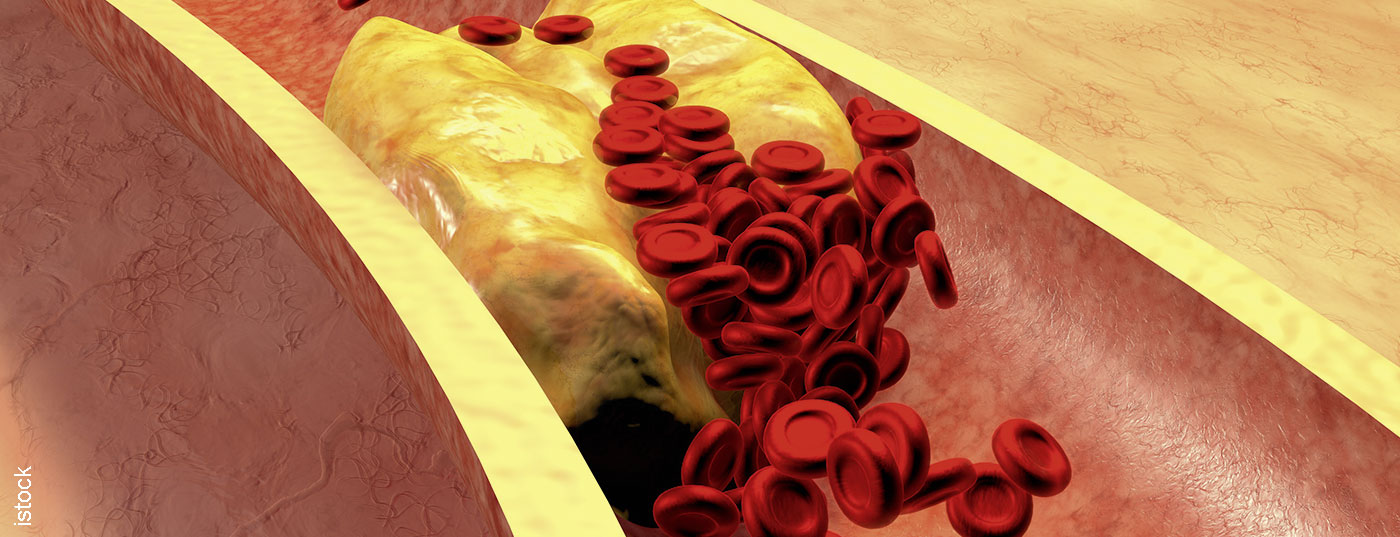
Lipoprotein apheresis is performed in patients with homozygous familial hypercholesterolemia as well as in patients with severe hypercholesterolemia in whom the LDL cholesterol could not be sufficiently lowered with maximum dietary and drug therapy documented over twelve months. Adequate control of lipid levels is important, as elevated lipoprotein cholesterol and/or low-density lipoprotein(a) are established risk factors for cardiovascular disease.

Effectiveness proven in clinical application

A recent review [5] concluded, based on analysis of primarily observational data, that the efficacy of lipoprotein apheresis has been clearly demonstrated. In patients who did not respond to traditional lipid-lowering medications, lipoprotein apheresis effectively reduced serum lipoprotein levels and adverse cardiovascular events.

Literature:

  1. Bosch T: Ther Apher 5: 323-324, 2001.
  2. Apheresis standard of the German Working Group for Clinical Nephrology e.V. German Working Group for Clinical Nephrology e.V. 2002; 31:103.
  3. Koga N: Ther Apher 5: 219, 2001.
  4. www.bbraun.ch/de/produkte-und-therapien/extrakorporale-blutbehandlung/apherese.html (last accessed 03/31/2019)
  5. Rupesh R, et al: Role of Lipoprotein Apheresis in Cardiovascular Disease Risk Reduction. Blood Purif. 2019; 21: 1-16.


CARDIOVASC 2019; 18(2): 28

Autoren
  • Leoni Burggraf
Publikation
  • CARDIOVASC
Related Topics
  • Apheresis
  • cardiovascular risk
  • Serum lipoprotein level
Previous Article
  • Digitization - but the right way!

The Lean Approach in the Medical Practice

  • Education
  • General Internal Medicine
  • Prevention and health care
  • RX
View Post
Next Article
  • Pollen season

Birch pollen affects not only allergy sufferers!

  • Allergology and clinical immunology
  • Congress Reports
  • Pneumology
  • RX
  • Studies
View Post
You May Also Like
View Post
  • 5 min
  • Chronic and hard-to-heal wounds

Benefit from the advantages of outpatient negative pressure wound therapy

    • Congress Reports
    • Dermatology and venereology
    • Endocrinology and Diabetology
    • General Internal Medicine
    • Geriatrics
    • Physical medicine and rehabilitation
    • RX
    • Studies
View Post
  • 4 min
  • COPD

Even a single moderate exacerbation can be a predictor of mortality

    • Education
    • Pneumology
    • RX
    • Studies
View Post
  • 7 min
  • HER2+ metastatic breast cancer

New therapeutic standards with SHR-A 1811

    • Congress Reports
    • Gynecology
    • Oncology
    • RX
    • Studies
View Post
  • 6 min
  • Angina tonsillaris: clinical management

Conservative therapy or surgery?

    • Congress Reports
    • General Internal Medicine
    • Infectiology
    • ORL
    • Pediatrics
    • RX
View Post
  • 6 min
  • Dermocosmetic for mild to moderate acne

Effects of an anti-pimple cream: randomized split-face study

    • Dermatology and venereology
    • Education
    • Infectiology
    • Pharmacology and toxicology
    • RX
    • Studies
View Post
  • 5 min
  • Neuro-ophthalmology

Visual Snow Syndrome: From the mysterious disorder to effective treatment options

    • Education
    • Neurology
    • Ophthalmology
    • RX
    • Studies
View Post
  • 6 min
  • Platelet and leukocyte abnormalities

Clonal or reactive causes?

    • Cases
    • Congress Reports
    • Hematology
    • Oncology
    • RX
    • Studies
View Post
  • 7 min
  • Gonarthrosis and coxarthrosis: update on conservative treatment

Pain relief, targeted movement and relief

    • General Internal Medicine
    • Geriatrics
    • Orthopedics
    • Pharmacology and toxicology
    • Physical medicine and rehabilitation
    • Rheumatology
    • RX
    • Sports Medicine
  • IBD matters

    Zum Thema
Top CME content
  • 1
    Clinical care from birth to adulthood
  • 2
    Multidisciplinary teams in oncology
  • 3
    Multidisciplinary teams in oncology
  • 4
    What is tested when and on whom?
  • 5
    Molecular mechanisms of tumor plasticity

Newsletter

Sign up and stay up to date

Subscribe
Medizinonline Medizinonline
  • Contact
  • General terms and conditions
  • Imprint

Input your search keywords and press Enter.