Medizinonline Medizinonline
  • News
    • News
    • Market & Medicine
  • Patients
    • Disease patterns
    • Diagnostics
    • Therapy
  • Partner Content
    • Dermatology
      • Atopic dermatitis and psoriasis news
    • Diabetes
      • Dia-Month Club – Type 2 Diabetes
      • Diabetes in Motion
      • Diabetes Podcasts
    • Gastroenterology
      • IBD matters
    • Oncology
      • Swiss Oncology in motion
    • Orthopedics
      • Osteoporosis in motion
  • Departments
    • Allergology and clinical immunology
    • General Internal Medicine
    • Anesthesiology
    • Angiology
    • Surgery
    • Dermatology and venereology
    • Endocrinology and Diabetology
    • Nutrition
    • Gastroenterology and Hepatology
    • Genetics
    • Geriatrics
    • Gynecology
    • Hematology
    • Infectiology
    • Cardiology
    • Nephrology
    • Neurology
    • Emergency and intensive care medicine
    • Nuclear Medicine
    • Oncology
    • Ophthalmology
    • ORL
    • Orthopedics
    • Pediatrics
    • Pharmacology and toxicology
    • Pharmaceutical medicine
    • Phlebology
    • Physical medicine and rehabilitation
    • Pneumology
    • Prevention and health care
    • Psychiatry and psychotherapy
    • Radiology
    • Forensic Medicine
    • Rheumatology
    • Sports Medicine
    • Traumatology and trauma surgery
    • Tropical and travel medicine
    • Urology
    • Dentistry
  • CME & Congresses
    • CME continuing education
    • Congress Reports
    • Congress calendar
  • Practice
    • Noctimed
    • Practice Management
    • Jobs
    • Interviews
  • Log In
  • Register
  • My account
  • Contact
  • Publications
  • Contact
  • Deutsch
  • English
  • Français
  • Italiano
  • Português
  • Español
Subscribe
Medizinonline Medizinonline
  • News
    • News
    • Market & Medicine
  • Patienten
    • Krankheitsbilder
    • Diagnostik
    • Therapie
  • Partner Content
    • Dermatology
      • Atopic dermatitis and psoriasis news
    • Diabetes
      • Dia-Month Club – Type 2 Diabetes
      • Diabetes in Motion
      • Diabetes Podcasts
    • Gastroenterology
      • IBD matters
    • Oncology
      • Swiss Oncology in motion
    • Orthopedics
      • Osteoporosis in motion
    • Phytotherapie
    • Rheumatology
  • Departments
    • Fachbereiche 1-13
      • Allergology and clinical immunology
      • General Internal Medicine
      • Anesthesiology
      • Angiology
      • Surgery
      • Dermatology and venereology
      • Endocrinology and Diabetology
      • Nutrition
      • Gastroenterology and Hepatology
      • Genetics
      • Geriatrics
      • Gynecology
      • Hematology
    • Fachbereiche 14-26
      • Infectiology
      • Cardiology
      • Nephrology
      • Neurology
      • Emergency and intensive care medicine
      • Nuclear Medicine
      • Oncology
      • Ophthalmology
      • ORL
      • Orthopedics
      • Pediatrics
      • Pharmacology and toxicology
      • Pharmaceutical medicine
    • Fachbereiche 26-38
      • Phlebology
      • Physical medicine and rehabilitation
      • Phytotherapy
      • Pneumology
      • Prevention and health care
      • Psychiatry and psychotherapy
      • Radiology
      • Forensic Medicine
      • Rheumatology
      • Sports Medicine
      • Traumatology and trauma surgery
      • Tropical and travel medicine
      • Urology
      • Dentistry
  • CME & Congresses
    • CME continuing education
    • Congress Reports
    • Congress calendar
  • Practice
    • Noctimed
    • Practice Management
    • Jobs
    • Interviews
Login

Sie haben noch keinen Account? Registrieren

  • The aging skin

Man always wants to look young and healthy

    • Dermatology and venereology
    • Education
    • Geriatrics
    • Prevention and health care
    • RX
  • 2 minute read

We are witnessing an unprecedented demographic shift: the transition from high to low birth and death rates has global political, socioeconomic and health economic consequences.

An important point of this change is the growth in the number and proportion of older people. Since the mid-19th century, life expectancy has been increasing at a rate of about three months/year. Currently, global life expectancy is 66 years, and one in ten people is 60 or older; by 2050, one-fifth and by 2150, one-third of the world’s population will be 60 or older, while only one-sixth will be under 20. The total elderly population is projected to increase from 605 million in 2000 to 1.2 billion in 2025 and to nearly 2 billion in 2050. For years, the Japanese topped the list of highest life expectancy. Since 2012, Switzerland has been ahead of Japan for the first time, which has slipped to second place with a life expectancy of 82.8 years. The reasons lie in Switzerland’s higher economic growth, higher spending on the healthcare system and a significantly lower rate of cancer deaths.
These records are accompanied by aspects that give pause for thought: More and more people are living longer in a stage of life influenced by illness – which is to be improved or even extended. In Japan, sales of adult diapers have exceeded those of baby diapers since 2012.

These demographic changes affect all aspects of society, such as work and jobs, infrastructure and mobility, social insurance and services. The consequences for our health care system will be profound. In view of the increase in life expectancy, and in order to keep medicine affordable in the future, health policy activities in the areas of primary and secondary prevention and health promotion will be necessary to enable everyone to live longer in good health.

In order to achieve this goal, in addition to the continuous improvement of health conditions, the focus is shifting to broad population-based information campaigns against unhealthy lifestyles and the development of environmental medicine research. This also means that an ever-increasing proportion of the work will shift from treating existing conditions to preventive strategies and services.

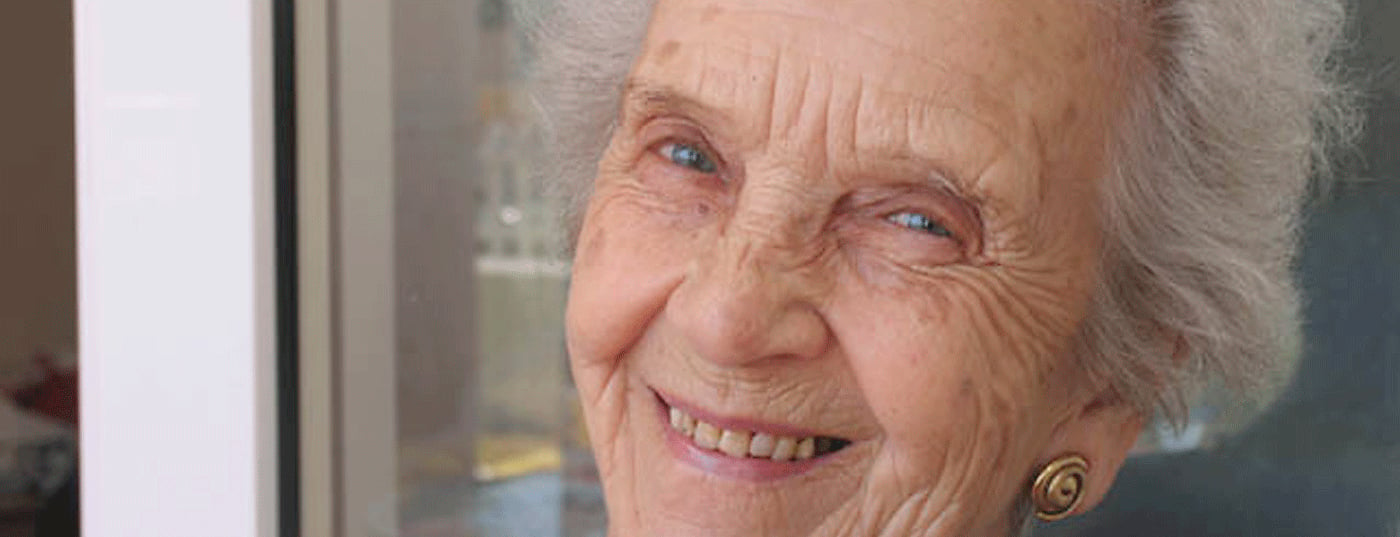
As the largest organ of the body, the skin reflects the first signs of aging particularly clearly. Since ancient times, man wants not only to live longer, but also to look young and healthy. Maintaining and improving the quality of the skin is also a central, sometimes existential concern for many today. Against this background, this DERMATOLOGIE PRAXIS will discuss some causes of skin aging, the resulting consequences and some selected possibilities and limitations of treatment.

Prof. Dr. phil. nat. Christian Surber

Literature:

  1. Zouboulis CC, et al: Dermatologist 2012; 63(12): 929-930. doi: 10.1007/s00105-012-2464-2.
  2. United Nations, Department of Economics and Social Affairs. World Urbanization Prospects, the 2011 Revision. http://esa. un.org/unup/, viewed 12/31/13.
  3. OECD Statistics. www. oecd-ilibrary.org/sites/9789264125476-de/12/01/01/index.html;jsessionid=27ddqrck3ambs.delta?contentType=/ns/Chapter,/ns/StatisticalPublication&itemId=/content/chapter/9789264125469-104-en&containerItemId=/content/book/9789264125476-en&accessItemIds= &mimeType=text/html, viewed 12/31/13.

Dermatology Practice 2014; (24)1: 3

Publikation
  • DERMATOLOGIE PRAXIS
Related Topics
  • Age
  • aging skin
  • demographic change
  • healthcare system
  • largest organ of the body
  • Life expectancy
  • preventive
  • Skin
Previous Article
  • Care of the skin in old age

Especially the drought can become a problem

  • Allergology and clinical immunology
  • Dermatology and venereology
  • Education
  • Geriatrics
  • Nutrition
  • RX
View Post
Next Article
  • Rare diseases

Building trust and fostering resilience

  • News
  • Pediatrics
  • Prevention and health care
  • RX
View Post
You May Also Like
View Post
  • 4 min
  • From symptom to diagnosis

Oncocytoma

    • Cases
    • Education
    • Nephrology
    • Oncology
    • Radiology
    • RX
    • Surgery
View Post
  • 7 min
  • Arterial elasticity, vascular ageing, endothelial function

Longevity and cardiovascular health 2025

    • Angiology
    • Cardiology
    • Education
    • General Internal Medicine
    • Geriatrics
    • Prevention and health care
    • RX
    • Studies
View Post
  • 5 min
  • AI-supported risk stratification for chest pain in the emergency room

Performance of a fully automated ECG model

    • Cardiology
    • Education
    • Emergency and intensive care medicine
    • Prevention and health care
    • RX
    • Studies
View Post
  • 11 min
  • Alternative to insulin and GLP1

From the β-cell to the center: the versatile role of amylin

    • CME continuing education
    • Endocrinology and Diabetology
    • RX
    • Studies
View Post
  • 6 min
  • Hormone balance and longevity

Ageing is not a substitution diagnosis

    • Education
    • Endocrinology and Diabetology
    • General Internal Medicine
    • Geriatrics
    • Gynecology
    • Pharmacology and toxicology
    • Prevention and health care
    • RX
    • Studies
View Post
  • 6 min
  • Cardiovascular risk

Bad news for young men with T2D

    • Cardiology
    • Congress Reports
    • Endocrinology and Diabetology
    • Prevention and health care
    • RX
    • Studies
View Post
  • 0 min
  • Case Report

6-year-old child with central retinal artery occlusion

    • Cases
    • Education
    • Ophthalmology
    • Pediatrics
    • RX
    • Studies
View Post
  • 17 min
  • Low grade serous ovarian carcinoma (LGSOC)

Opening up new horizons through combination therapies

    • Congress Reports
    • Gynecology
    • Oncology
    • RX
    • Studies
  • IBD matters

    Zum Thema
Top CME content
  • 1
    Control instead of a flood of data: AI makes big data and wearables usable
  • 2
    Causes and prevention at work
  • 3
    Yellow nail and Swyer-James syndrome
  • 4
    Recommendations for action in practice
  • 5
    From the β-cell to the center: the versatile role of amylin

Newsletter

Sign up and stay up to date

Subscribe
Medizinonline Medizinonline
  • Contact
  • General terms and conditions
  • Imprint

Input your search keywords and press Enter.