Medizinonline Medizinonline
  • News
    • News
    • Market & Medicine
  • Patients
    • Disease patterns
    • Diagnostics
    • Therapy
  • Partner Content
    • Diabetes
      • Dia-Month Club – Type 2 Diabetes
      • Diabetes in Motion
      • Diabetes Podcasts
    • Gastroenterology
      • IBD matters
    • Oncology
      • Swiss Oncology in motion
    • Orthopedics
      • Osteoporosis in motion
  • Departments
    • Allergology and clinical immunology
    • General Internal Medicine
    • Anesthesiology
    • Angiology
    • Surgery
    • Dermatology and venereology
    • Endocrinology and Diabetology
    • Nutrition
    • Gastroenterology and Hepatology
    • Genetics
    • Geriatrics
    • Gynecology
    • Hematology
    • Infectiology
    • Cardiology
    • Nephrology
    • Neurology
    • Emergency and intensive care medicine
    • Nuclear Medicine
    • Oncology
    • Ophthalmology
    • ORL
    • Orthopedics
    • Pediatrics
    • Pharmacology and toxicology
    • Pharmaceutical medicine
    • Phlebology
    • Physical medicine and rehabilitation
    • Pneumology
    • Prevention and health care
    • Psychiatry and psychotherapy
    • Radiology
    • Forensic Medicine
    • Rheumatology
    • Sports Medicine
    • Traumatology and trauma surgery
    • Tropical and travel medicine
    • Urology
    • Dentistry
  • CME & Congresses
    • CME continuing education
    • Congress Reports
    • Congress calendar
  • Practice
    • Noctimed
    • Practice Management
    • Jobs
    • Interviews
  • Log In
  • Register
  • My account
  • Contact
  • Publications
  • Contact
  • Deutsch
  • English
  • Français
  • Italiano
  • Português
  • Español
Subscribe
Medizinonline Medizinonline
  • News
    • News
    • Market & Medicine
  • Patienten
    • Krankheitsbilder
    • Diagnostik
    • Therapie
  • Partner Content
    • Diabetes
      • Dia-Month Club – Type 2 Diabetes
      • Diabetes in Motion
      • Diabetes Podcasts
    • Gastroenterology
      • IBD matters
    • Oncology
      • Swiss Oncology in motion
    • Orthopedics
      • Osteoporosis in motion
    • Phytotherapie
    • Rheumatology
  • Departments
    • Fachbereiche 1-13
      • Allergology and clinical immunology
      • General Internal Medicine
      • Anesthesiology
      • Angiology
      • Surgery
      • Dermatology and venereology
      • Endocrinology and Diabetology
      • Nutrition
      • Gastroenterology and Hepatology
      • Genetics
      • Geriatrics
      • Gynecology
      • Hematology
    • Fachbereiche 14-26
      • Infectiology
      • Cardiology
      • Nephrology
      • Neurology
      • Emergency and intensive care medicine
      • Nuclear Medicine
      • Oncology
      • Ophthalmology
      • ORL
      • Orthopedics
      • Pediatrics
      • Pharmacology and toxicology
      • Pharmaceutical medicine
    • Fachbereiche 26-38
      • Phlebology
      • Physical medicine and rehabilitation
      • Phytotherapy
      • Pneumology
      • Prevention and health care
      • Psychiatry and psychotherapy
      • Radiology
      • Forensic Medicine
      • Rheumatology
      • Sports Medicine
      • Traumatology and trauma surgery
      • Tropical and travel medicine
      • Urology
      • Dentistry
  • CME & Congresses
    • CME continuing education
    • Congress Reports
    • Congress calendar
  • Practice
    • Noctimed
    • Practice Management
    • Jobs
    • Interviews
Login

Sie haben noch keinen Account? Registrieren

  • Breast Cancer

Overweight and diabetes unfavorable for therapy success

    • Congress Reports
    • Gynecology
    • Oncology
    • Partner Content
    • RX
  • 2 minute read

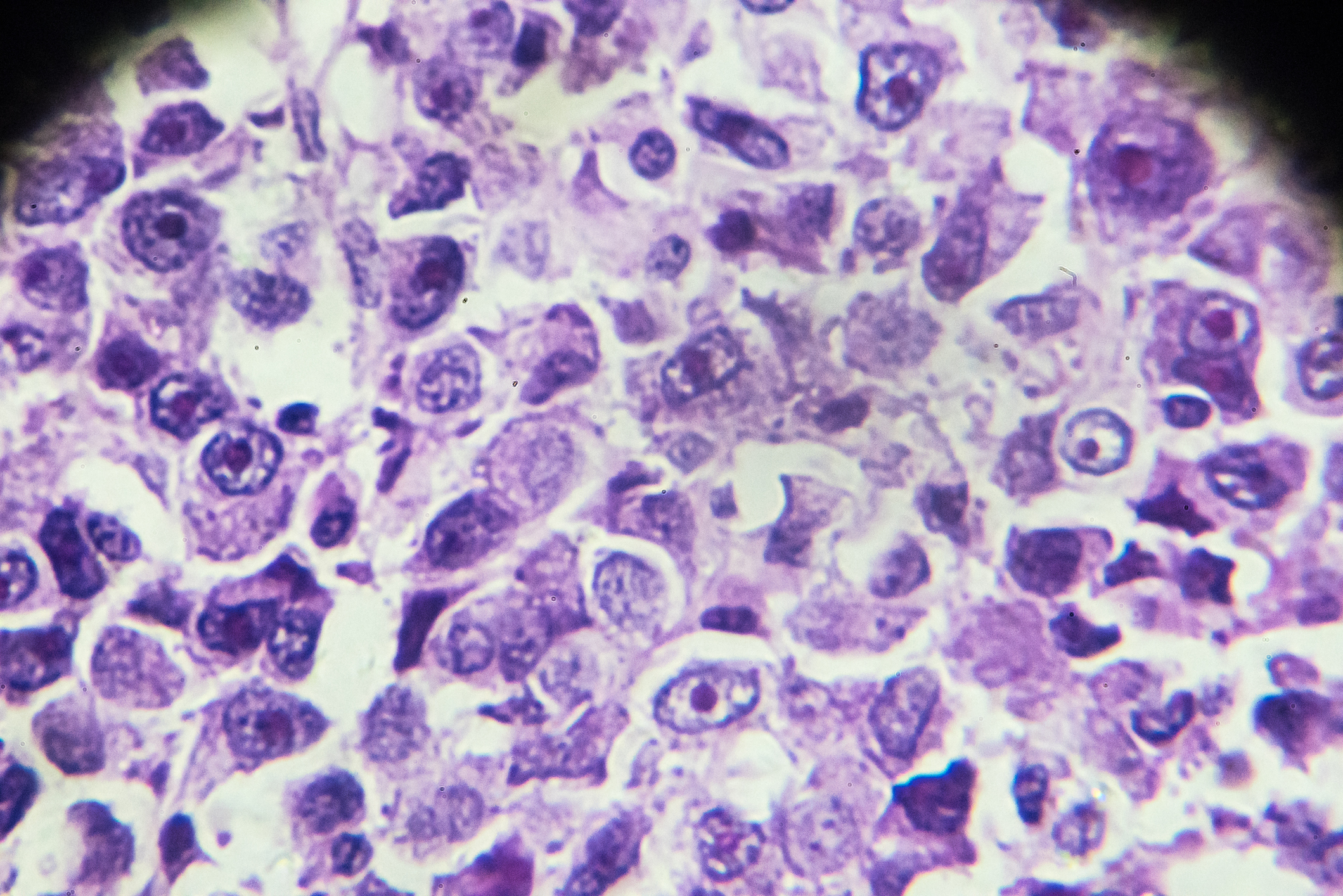
Diabetes mellitus and obesity have long been recognized as cardiovascular risk factors. They also have a negative effect on breast cancer patients: Compared to metabolically healthy and normal-weight patients, the risk of recurrence after neoadjuvant chemotherapy is increased, as is the risk of death in diabetic women.

(ka) The new data come from an analysis of a total of 10,727 breast cancer patients. 8872 of them were treated in German Breast Group trials, 1855 in EORTC/Breast International Group (BIG) trials, informed Caterina Fontanella, MD, Udine, Italy [1]. Only half of these women were of normal weight, 30% were overweight, and 20% were even obese.

With increasing body weight, the 5-year rate for distant metastasis-free survival decreased linearly. This was true for women with luminal A/B subtype tumors (n=3977) and for women with triple-negative breast cancer (TNBC; n=1570). In the first group, the worsening of prognosis in overweight women is probably due to increased aromatase levels in adipose tissue. This increases the synthesis of estrogen, which stimulates the growth of breast cancer cells. In women with TNBC, the poorer treatment outcomes may be due in part to the increased levels of proinflammatory cytokines associated with obesity, Dr. Fontanella explained. “Secondly, it must be taken into account that obese patients probably receive chemotherapy doses that are too low. This is because doses of cytostatic drugs are usually calculated on a body surface area (KOF) of 2 m². In obese women, however, a larger KOF can be assumed.”

Special case HER2-negative

Only in patients with HER2-negative breast cancer (n=2418) no negative effect of obesity on treatment outcome could be determined. According to Dr. Fontanella, this is probably due to the markedly potent antitumor effect of anti-HER2 therapy.

Type 2 diabetes as a comorbidity

In the second evaluation, Dr. Fontanella and associates examined the prevalence of type 2 diabetes among participants in the GeparQuatro and GeparQuinto trials at the time of breast cancer diagnosis and the impact of this comorbidity on treatment outcomes. In this cohort, 112 patients (2.8%) had type 2 diabetes; only one-third received antidiabetic therapy. Diabetic patients were older than nondiabetic patients (61 vs. 49 years), more often obese (52 vs. 18%), and more often had more than two comorbidities (51 vs. 12%). Diabetic patients were also more likely than non-diabetic patients to already have a locally advanced tumor at diagnosis (28 vs. 14%) and more than three affected lymph nodes (14 vs. 5%). In addition, distant metastasis-free and overall survival were significantly shorter in diabetic patients than in metabolically healthy women (p<0.001 and p=0.001, respectively). Their risk of recurrence was significantly increased by a factor of 2 (p<0.001).

Hyperinsulinemia as a cause

According to Dr. Fontanella, the cause of higher tumor stage and poorer therapy results in diabetic women could be hyperinsulinemia, since the increased insulin level stimulates tumor cell growth. Tight glycemic control is therefore essential in this population to improve therapeutic outcome.

Source: European Breast Cancer Conference (EBCC) 9, March 19-21, 2014, Glasgow.

Literature:

  1. Fontanelle C, et al: EBCC 9; Abstr. O-417.

InFo ONCOLOGY & HEMATOLOGY 2014; 2(4): 21-22.

Autoren
  • Dr. med. Katharina Arnheim
Publikation
  • InFo ONKOLOGIE & HÄMATOLOGIE
Related Topics
  • Adipostias
  • Breast Cancer
  • chemotherapy
  • Cytostatics
  • Diabetes
  • distant metastasis-free survival
  • Estrogen
  • Glasgow
  • HER2
  • KOF
  • Luminal
  • Mortality risk
  • Overweight
  • Risk of recurrence
  • Therapy
  • Tumor
Previous Article
  • Link website and social media

Dialogue instead of monologue

  • News
  • Prevention and health care
  • RX
View Post
Next Article
  • Gene expression test EndoPredict

Prognostic tool for the prediction of local recurrence risk

  • Congress Reports
  • Gynecology
  • Oncology
  • RX
View Post
You May Also Like
View Post
  • 4 min
  • SwissDiab Study: New Analysis Published

How are diabetes complications associated with quality of life?

    • RX
    • Endocrinology and Diabetology
    • General Internal Medicine
    • Studies
View Post
  • 6 min
  • Pre-acclimatization on Mount Everest

Exploring the physiological limits

    • RX
    • Congress Reports
    • General Internal Medicine
    • Pneumology
    • Studies
    • Tropical and travel medicine
View Post
  • 5 min
  • Viloxazine for ADHD

A non-stimulating option—but with limited evidence

    • RX
    • Education
    • Neurology
    • Pediatrics
    • Pharmacology and toxicology
    • Psychiatry and psychotherapy
    • Studies
View Post
  • 6 min
  • Preclinical study on phytotherapeutic agent

Active ingredient combination of peppermint and caraway oil modified fecal microbiota

    • RX
    • Education
    • Gastroenterology and Hepatology
    • General Internal Medicine
    • Pharmaceutical medicine
    • Phytotherapy
    • Studies
View Post
  • 4 min
  • Casuistry

Rituximab used effectively against IgG4-RD colitis

    • RX
    • Cases
    • Education
    • Gastroenterology and Hepatology
    • General Internal Medicine
    • Radiology
    • Rheumatology
View Post
  • 5 min
  • Sarcoidosis

New options from JAKi to mTOR

    • RX
    • Congress Reports
    • General Internal Medicine
    • Pneumology
    • Studies
View Post
  • 6 min
  • Head and neck squamous cell carcinoma

Precision immunotherapy and local treatment

    • RX
    • Congress Reports
    • Dermatology and venereology
    • Oncology
    • ORL
    • Studies
View Post
  • 3 min
  • From symptom to diagnosis

Abdominal pain – Prostate cysts

    • RX
    • Cases
    • Education
    • General Internal Medicine
    • Radiology
    • Surgery
    • Urology
  • IBD matters

    Zum Thema
Top CME content
  • 1
    Current State of Knowledge and New Therapeutic Approaches
  • 2
    Why is it so hard to lose weight?
  • 3
    Functional limb preservation between infection control, vascular medicine and resurfacing
  • 4
    Algorithms, avatars and the unburdened mind
  • 5
    Communication as the key to therapy adherence

Newsletter

Sign up and stay up to date

Subscribe
Medizinonline Medizinonline
  • Contact
  • General terms and conditions
  • Imprint

Input your search keywords and press Enter.