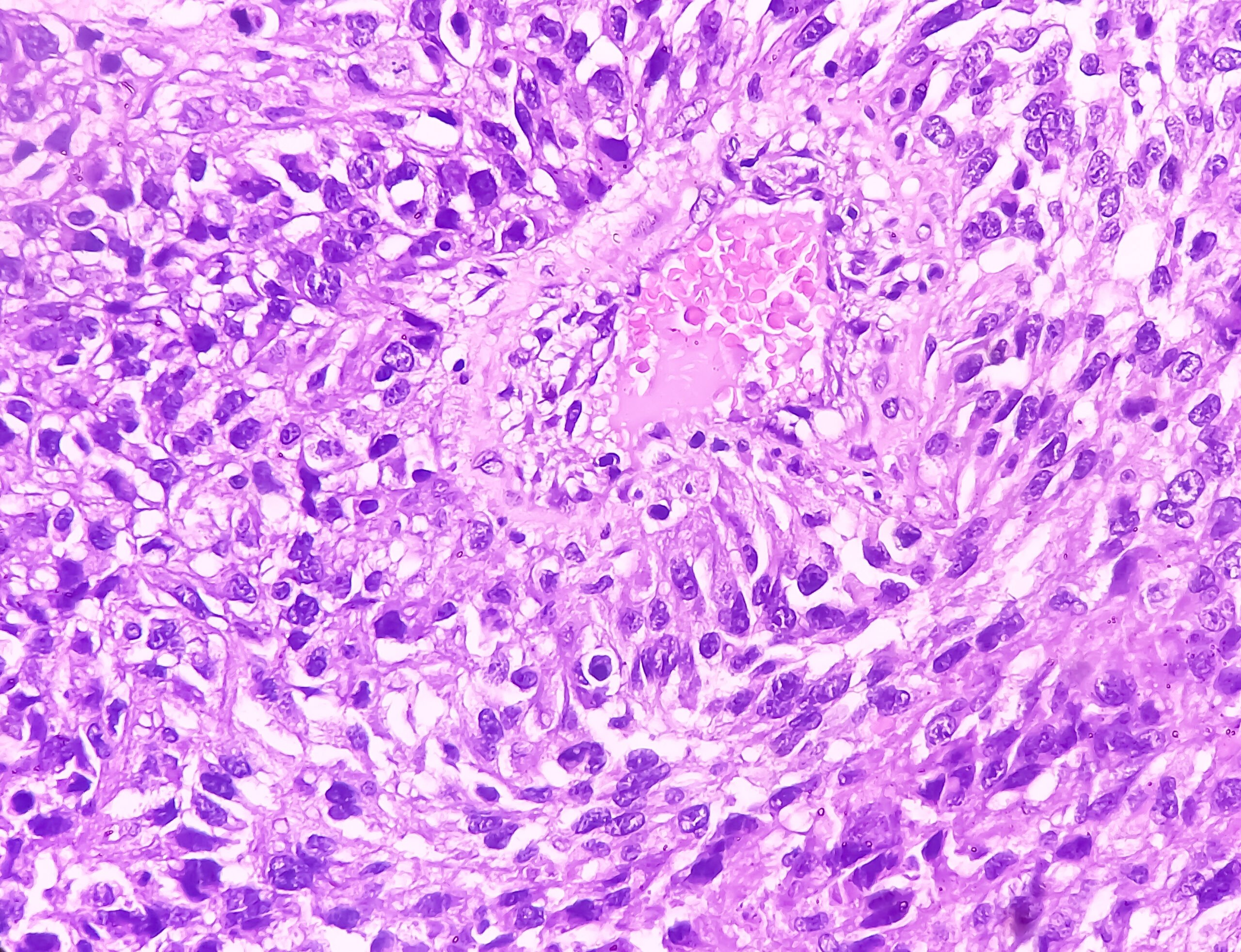
In the early stages, it is often an incidental finding, as symptoms usually only manifest themselves at a later stage. Nowadays, ultrasound, CT and MRI are the main imaging techniques used for further clarification. The treatment options depend on the stage. Histologically, the majority are clear cell carcinomas; papillary and chromophobe carcinomas are less common. Surgical intervention with complete removal of the tumor is the only curative option.
Autoren
- Dr. med. Hans-Joachim Thiel
Publikation
- InFo ONKOLOGIE & HÄMATOLOGIE

You May Also Like
- AI in neurology
Control instead of a flood of data: AI makes big data and wearables usable
- Treatment of pancreatitis: current study data
How can the risk-benefit profile be improved?
- Prurigo and PN
Anti-inflammatory antipruritic therapy improves quality of life
- Pathophysiology, clinical significance and therapeutic consequences
Eosinophils in asthma
- Urothelial carcinoma
Perioperative innovations and organ-preserving strategies
- Artificial intelligence
Dr. ChatGPT: Large language models in everyday clinical practice
- GLA:D® program for back pain patients
Fewer consultations and reduction in the use of painkillers
- Nutrition for type 2 diabetes