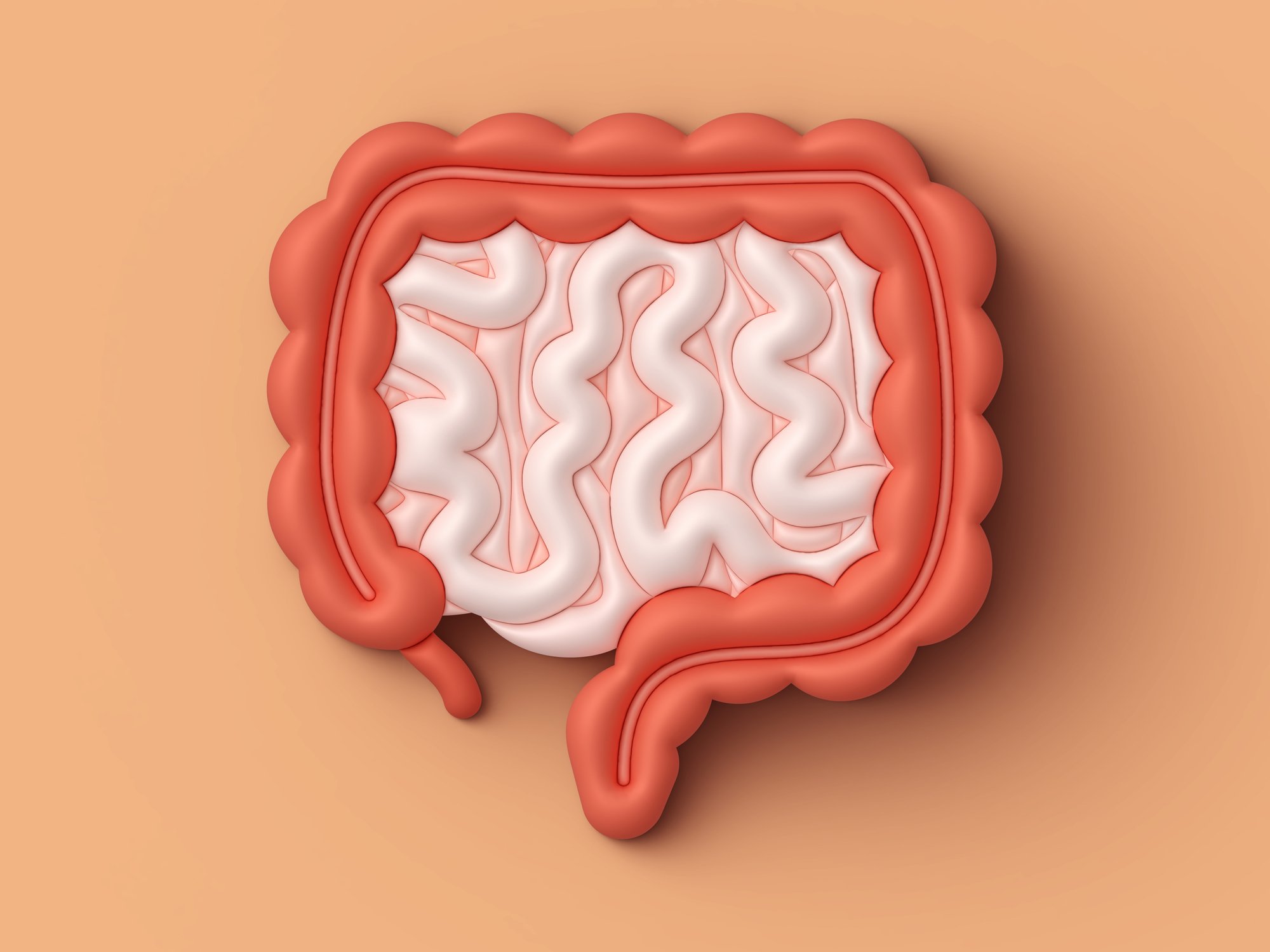
The diagnosis of irritable bowel syndrome (IBS) is based on the Rome IV criteria for functional gastrointestinal disorders. The main symptoms are abdominal pain and altered bowel habits, but patients often report a whole host of symptoms. The pathophysiology of IBS is multifactorial and complex; an important overarching concept relates to the gut-brain axis. Therapy is adapted in stages and patient-oriented.
Autoren
- Mirjam Peter, M.Sc.
Publikation
- HAUSARZT PRAXIS
Related Topics
You May Also Like
- Proteins in wound healing
Do special amino acids lead to success?
- Plastic surgery and reconstructive microsurgery for DFS
Functional limb preservation between infection control, vascular medicine and resurfacing
- Polycystic ovary syndrome 2025/2026
New pathophysiology, updated diagnostics and the age of incretin mimetics
- Heart failure and type 2 diabetes
Oral semaglutide and cardiac decompensation in type 2 diabetes
- Atopic dermatitis as a door opener for an atopic cascade?
AD trajectories: Summary of current findings
- New evidence on descensus, urinary incontinence and the future of reconstruction
Urogynecology and pelvic floor surgery 2026
- Proteins in wound healing
Do special amino acids lead to success?
- Case study