Medizinonline Medizinonline
  • News
    • News
    • Market & Medicine
  • Patients
    • Disease patterns
    • Diagnostics
    • Therapy
  • Partner Content
    • Diabetes
      • Dia-Month Club – Type 2 Diabetes
      • Diabetes in Motion
    • Gastroenterology
      • IBD matters
    • Oncology
      • Swiss Oncology in motion
    • Orthopedics
      • Osteoporosis in motion
  • Departments
    • Allergology and clinical immunology
    • General Internal Medicine
    • Anesthesiology
    • Angiology
    • Surgery
    • Dermatology and venereology
    • Endocrinology and Diabetology
    • Nutrition
    • Gastroenterology and Hepatology
    • Genetics
    • Geriatrics
    • Gynecology
    • Hematology
    • Infectiology
    • Cardiology
    • Nephrology
    • Neurology
    • Emergency and intensive care medicine
    • Nuclear Medicine
    • Oncology
    • Ophthalmology
    • ORL
    • Orthopedics
    • Pediatrics
    • Pharmacology and toxicology
    • Pharmaceutical medicine
    • Phlebology
    • Physical medicine and rehabilitation
    • Pneumology
    • Prevention and health care
    • Psychiatry and psychotherapy
    • Radiology
    • Forensic Medicine
    • Rheumatology
    • Sports Medicine
    • Traumatology and trauma surgery
    • Tropical and travel medicine
    • Urology
    • Dentistry
  • CME & Congresses
    • CME continuing education
    • Congress Reports
    • Congress calendar
  • Practice
    • Noctimed
    • Practice Management
    • Jobs
    • Interviews
  • Log In
  • Register
  • My account
  • Contact
  • Publications
  • Contact
  • Deutsch
  • English
  • Français
  • Italiano
  • Português
  • Español
Subscribe
Medizinonline Medizinonline
  • News
    • News
    • Market & Medicine
  • Patienten
    • Krankheitsbilder
    • Diagnostik
    • Therapie
  • Partner Content
    • Diabetes
      • Dia-Month Club – Type 2 Diabetes
      • Diabetes in Motion
    • Gastroenterology
      • IBD matters
    • Oncology
      • Swiss Oncology in motion
    • Orthopedics
      • Osteoporosis in motion
    • Phytotherapie
    • Rheumatology
  • Departments
    • Fachbereiche 1-13
      • Allergology and clinical immunology
      • General Internal Medicine
      • Anesthesiology
      • Angiology
      • Surgery
      • Dermatology and venereology
      • Endocrinology and Diabetology
      • Nutrition
      • Gastroenterology and Hepatology
      • Genetics
      • Geriatrics
      • Gynecology
      • Hematology
    • Fachbereiche 14-26
      • Infectiology
      • Cardiology
      • Nephrology
      • Neurology
      • Emergency and intensive care medicine
      • Nuclear Medicine
      • Oncology
      • Ophthalmology
      • ORL
      • Orthopedics
      • Pediatrics
      • Pharmacology and toxicology
      • Pharmaceutical medicine
    • Fachbereiche 26-38
      • Phlebology
      • Physical medicine and rehabilitation
      • Phytotherapy
      • Pneumology
      • Prevention and health care
      • Psychiatry and psychotherapy
      • Radiology
      • Forensic Medicine
      • Rheumatology
      • Sports Medicine
      • Traumatology and trauma surgery
      • Tropical and travel medicine
      • Urology
      • Dentistry
  • CME & Congresses
    • CME continuing education
    • Congress Reports
    • Congress calendar
  • Practice
    • Noctimed
    • Practice Management
    • Jobs
    • Interviews
Login

Sie haben noch keinen Account? Registrieren

  • Type 1 diabetes

The autoimmune polyglandular syndrome in the focus of attention

    • Congress Reports
    • Endocrinology and Diabetology
    • Genetics
    • Partner Content
    • RX
  • 3 minute read

Genetic predisposition plays a crucial role as a risk factor in type 1 diabetes and associated autoimmune disorders. In addition, antibody determination plays a key role in the diagnosis and classification of risk. New insights into the interaction of surface molecules of immune cells with small molecules as therapeutics allow innovative strategies for personalized immune regulation.

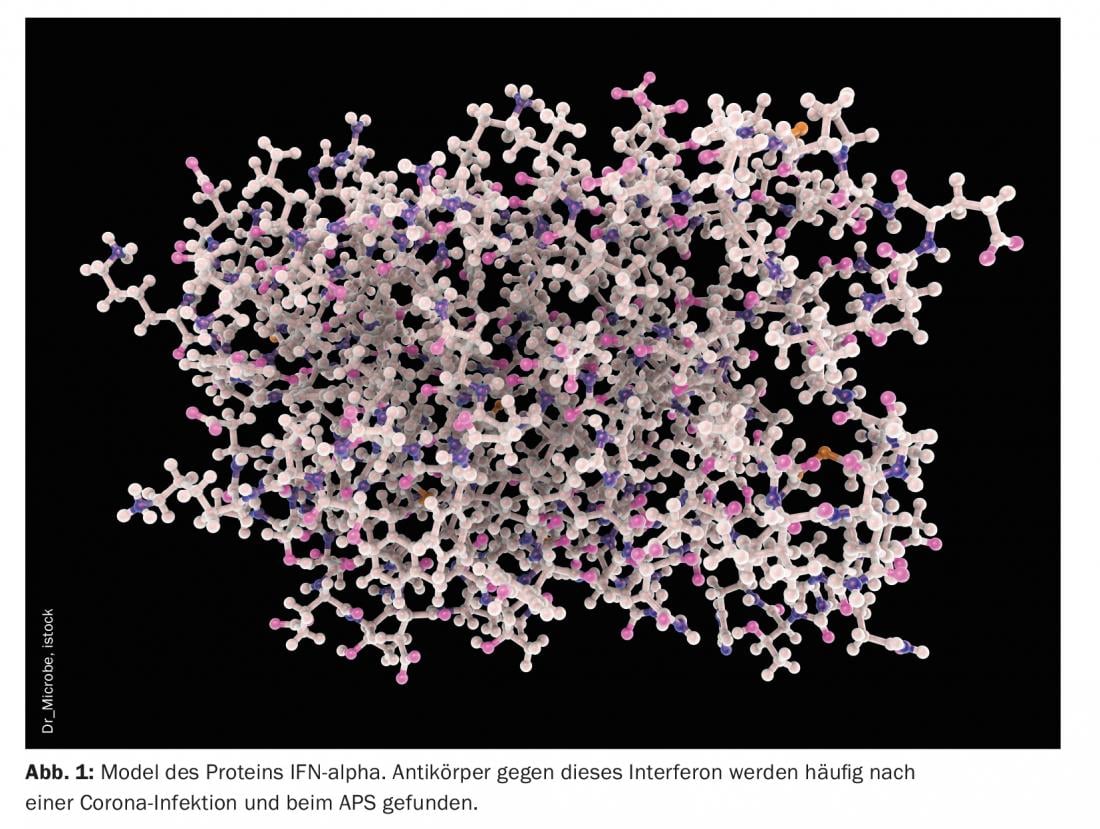
One finding as recent data brought to light is that the incidence of pediatric type 1 diabetes increases after the Corona pandemic. In fact, the incidence peaks three months after a COVID-19 peak, demonstrated Prof. Klaus Badenhoop, MD, Frankfurt am Main (D). It has been demonstrated that an antibody response occurs. In addition to an increase in anticardiolipin antibodies, an increase in TPO antibodies as well as CCP3 and antinuclear antibodies was also observed. It is concluded that during viral infection autoimmunity changes to polyautoimmunity. Accordingly, we can possibly expect an increase in autoimmune diseases, the expert said. Another exciting aspect is the fact that in a severe corona course, increased antibodies against interferon(IFN)-α and IFN-ω can be detected. Outside of COVID-19 infection, these TH17 cytokine antibodies are found primarily in the very rare autoimmune polyglandular syndrome (APS) type-1. The dangerous thing about this disease is that the antibodies neutralize the body’s own immune response.

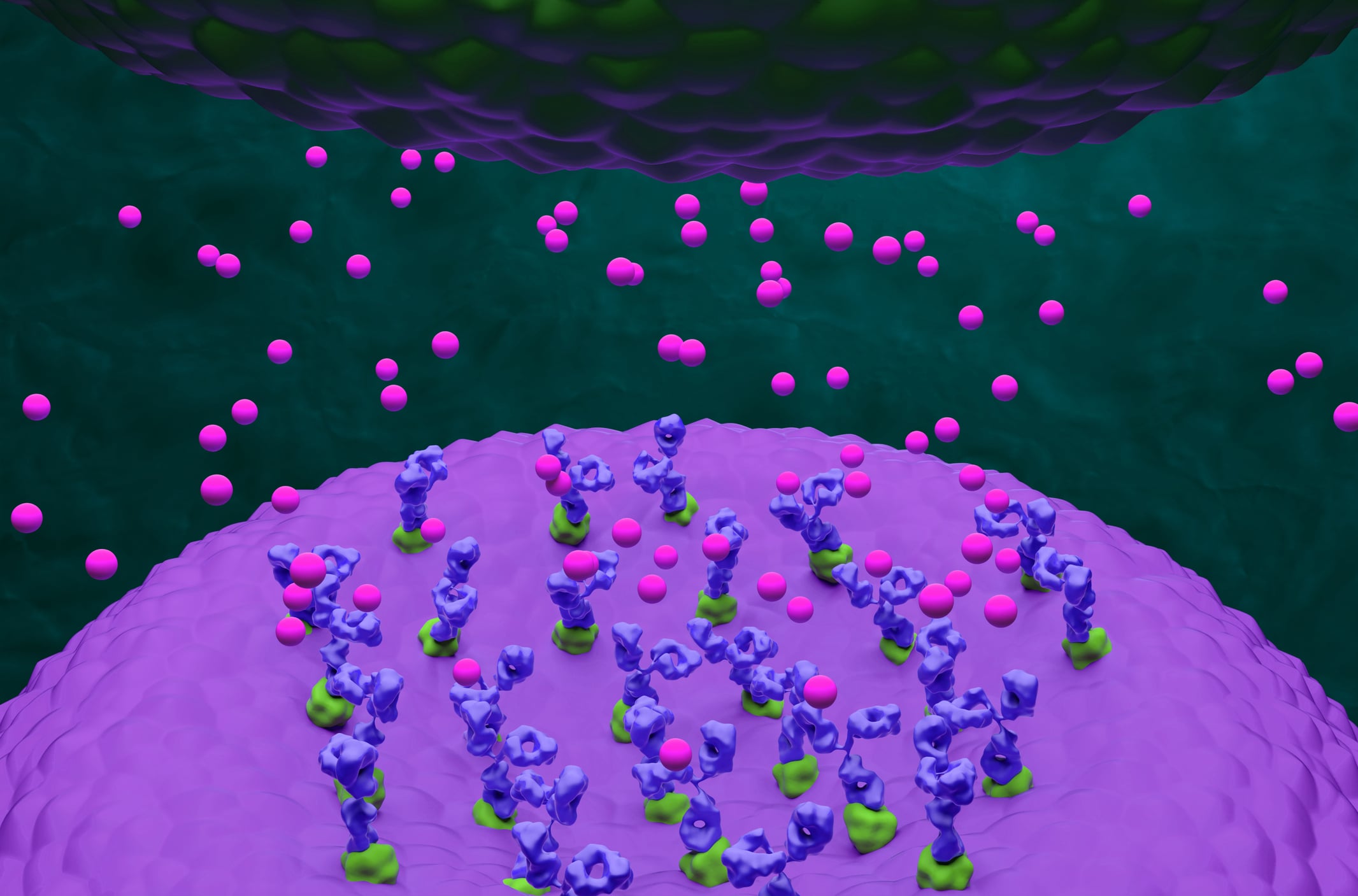
The combination of type 1 diabetes with other autoimmune diseases such as APS is related, among other things, to the fact that diabetes can run in families. In a recent analysis, familial type 1 diabetes, as opposed to sporadic disease, was shown to manifest earlier (7.9 vs. 9.7 years), have fewer ketoacidoses (11.9% vs. 20.4%), lower HbA1c-value does not increase as much (9.7% vs. 11.1%) but is associated with more autoimmune diseases (16.7% vs. 13.6%). One reason lies in the HLA DR/DQ genes. HLA loci interact with complex transcriptional pathways of both acquired and innate immunity. Badenhoop demonstrated that type 1 diabetes and associated autoimmune diseases share a common background of genetic predisposition. Antibody diagnostics would accordingly lead to early therapy. Experimental interventions against the HLA binding pockets with small molecules are currently underway, the results of which are eagerly awaited.


Antibody diagnostics as a basis for therapy management

But what about antibody diagnostics in general? Overall, polyglandular autoimmunity is most commonly associated with thyroid disease, atrophic gastritis, celiac disease, and type 1 diabetes. In endocrine autoimmunity, a positive antibody finding is often a sign of a subclinical disorder, and only a proportion of patients develop the manifest comorbidity, explained Nanette Schloot, MD, Bad Homburg, Germany. In endocrine autoimmune diseases, diagnosis is based on antibodies, hormone status, and symptoms. For the diagnosis of type 1 diabetes, the role of antibodies is a little different. There they are a risk marker and important for differential diagnosis. The more antibodies are detectable, the higher the risk of the disease manifesting. However, antibodies have not yet been used to detect type 1 diabetes. In contrast, the diagnosis of type 1 diabetes in children and adolescents is based only on clinical symptoms and blood glucose measurement. Therefore, the proposal was made to classify based on antibodies, glycemia, and symptoms, thus extending the diagnosis to prediabetic stages. This is most similar to the diagnosis of autoimmune endocrinopathies, the expert said.


Source: Type 1 diabetes with autoimmune polyglandular syndrome (APS): genetics, environment, and clinic. 28.05.2022, 10:45-12:15, Room 3
Congress: 56th Annual Meeting of the German Diabetes Society (DDG)


CARDIOVASC 2022; 21(2): 28
Autoren
  • Leoni Burggraf
Publikation
  • CARDIOVASC
Related Topics
  • APS
  • Diabetes
  • diabetes type 1
Previous Article
  • Topical therapy of acne vulgaris

Fourth-generation retinoid for the treatment of facial and truncal acne

  • Dermatology and venereology
  • Education
  • RX
  • Studies
View Post
Next Article
  • Statistics in 5 minutes

Probability in view

  • Education
  • General Internal Medicine
  • Prevention and health care
  • RX
  • Studies
View Post
You May Also Like
View Post
  • 9 min
  • Atopic Dermatitis: Precisely Targeting Immunological Targets

Interleukin blockade or OX40-(L) inhibition?

    • RX
    • Allergology and clinical immunology
    • Dermatology and venereology
    • Education
    • Studies
View Post
  • 14 min
  • Fibromyalgia Syndrome

Development, Diagnosis, Epidemiology, and Treatment of a Disease Entity

    • General Internal Medicine
    • CME continuing education
    • Geriatrics
    • Neurology
    • Orthopedics
    • Rheumatology
    • RX
View Post
  • 27 min
  • Across All Types of Cancer

Four-Legged Medical Assistants – Therapy Dogs in Clinical Settings

    • RX
    • CME continuing education
    • General Internal Medicine
    • Geriatrics
    • Hematology
    • Oncology
    • Pediatrics
    • Physical medicine and rehabilitation
    • Prevention and health care
    • Studies
View Post
  • 8 min
  • Obesity: More than half of those affected have fatty liver disease

From screening to multimodal intervention with GLP-1-RA or resmetirom

    • RX
    • Education
    • Endocrinology and Diabetology
    • Gastroenterology and Hepatology
    • General Internal Medicine
    • Nutrition
    • Studies
View Post
  • 6 min
  • Innovative Oral Treatment Options for Psoriasis: Icotrokinra and Zasocitinib

First-class immunomodulation combined with convenience—the data available so far is convincing

    • RX
    • Congress Reports
    • Dermatology and venereology
    • Rheumatology
    • Studies
View Post
  • 4 min
  • Preclinical Study on a Special Ginkgo biloba Extract

What role do proanthocyanidins play?

    • RX
    • Education
    • General Internal Medicine
    • Geriatrics
    • Neurology
    • Pharmaceutical medicine
    • Pharmacology and toxicology
    • Phytotherapy
    • Studies
View Post
  • 6 min
  • Myasthenia gravis: immunomodulatory therapies for long-term treatment

Expanded Possibilities Thanks to Innovative Classes of Active Ingredients

    • RX
    • Congress Reports
    • General Internal Medicine
    • Neurology
    • Ophthalmology
    • Studies
View Post
  • 10 min
  • Interstitial Lung Diseases

Update on Idiopathic Pulmonary Fibrosis

    • RX
    • CME continuing education
    • Pneumology
    • Studies
  • IBD matters

    Zum Thema
Top CME content
  • 1
    Four-Legged Medical Assistants – Therapy Dogs in Clinical Settings
  • 2
    Functional limb preservation between infection control, vascular medicine and resurfacing
  • 3
    Update on Idiopathic Pulmonary Fibrosis
  • 4
    Update on Idiopathic Pulmonary Fibrosis
  • 5
    Current status of PAT

Newsletter

Sign up and stay up to date

Subscribe
Medizinonline Medizinonline
  • Contact
  • General terms and conditions
  • Imprint

Input your search keywords and press Enter.