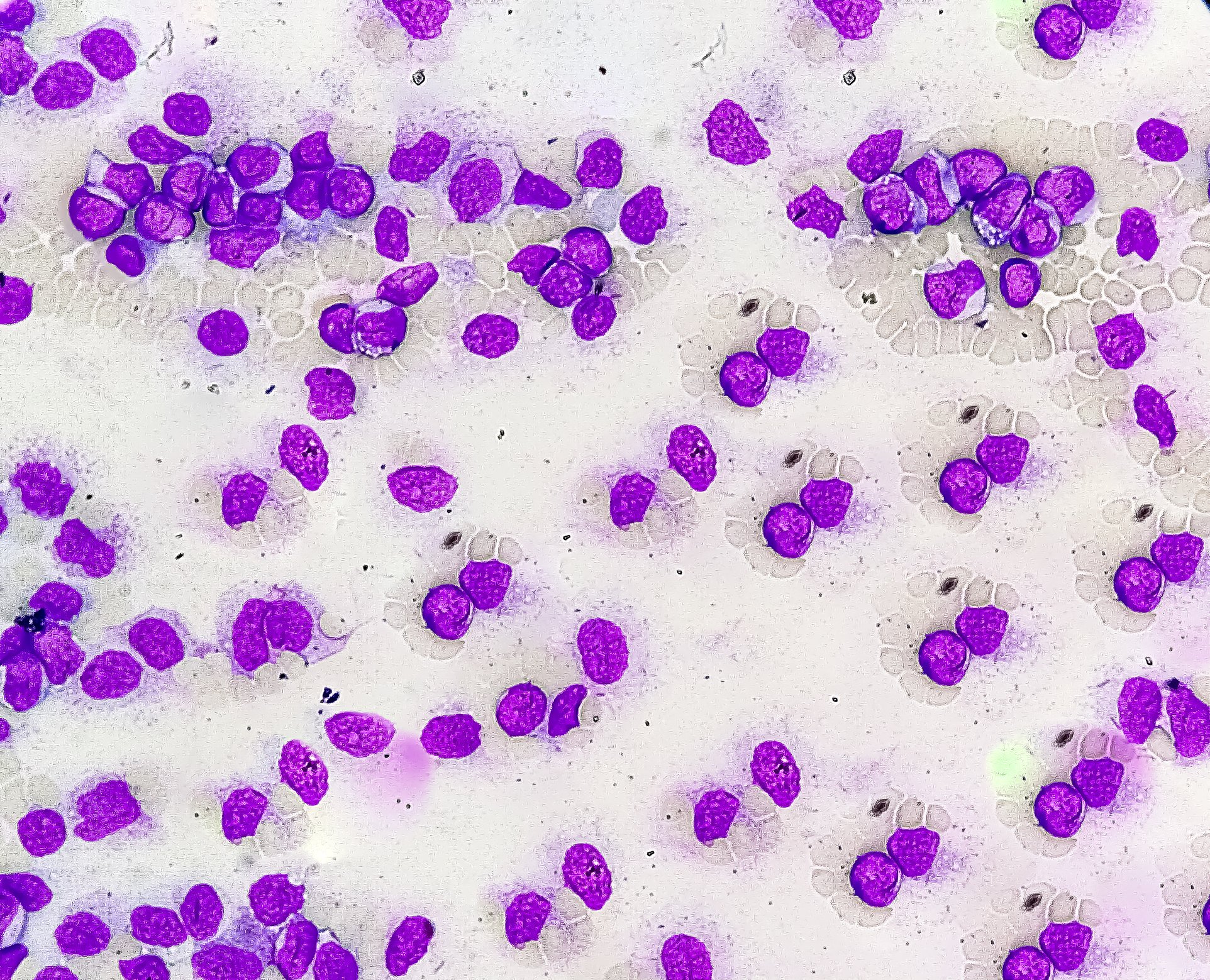
As part of the SOHC 2025 (Swiss Oncology & Hematology Congress), Christoph Röllig from Dresden University Hospital gave a presentation on current developments in the diagnosis and treatment of minimal residual disease (MRD) in acute myeloid leukemia (AML); in particular, he emphasized its prognostic significance and showed how MRD findings – depending on the genetic risk – can influence decisions on allogeneic stem cell transplantation. In addition, he emphasized the potential of pre-emptive MRD-based strategies for early relapse prevention, but made it clear that their future significance and the benefits of MRD-guided transplantation decisions will largely depend on ongoing studies such as INTERCEPT.
Autoren
- Dr. oec. Odile Schwarz-Herion
Publikation
- InFo ONKOLOGIE & HÄMATOLOGIE

Related Topics
You May Also Like
- Acute otitis media: self-limiting course vs. "red flags"
In which cases are antibiotics necessary?
- Prurigo nodularis: evidence-based treatment
Targeted therapy options on the rise
- MACE risk, heart failure incidence and all-cause mortality
Metabolic syndrome as a cardiovascular risk factor
- Glaucoma in old age: slowing down progression
IOP lowering is currently the only evidence-based treatment
- Vector-borne infections with skin manifestations
Arboviruses and leishmaniasis in Europe
- Multimorbidity and functional capacity in old age
Clarify individual health status and reduce risks
- Tick season: danger from early summer meningoencephalitis
TBE vaccination recommended for adults and children aged 3 and over
- New WHO guideline, updated stimulation protocols, focus on PGT-A