Medizinonline Medizinonline
  • News
    • News
    • Market & Medicine
  • Patients
    • Disease patterns
    • Diagnostics
    • Therapy
  • Partner Content
    • Diabetes
      • Dia-Month Club – Type 2 Diabetes
      • Diabetes in Motion
      • Diabetes Podcasts
    • Gastroenterology
      • IBD matters
    • Oncology
      • Swiss Oncology in motion
    • Orthopedics
      • Osteoporosis in motion
  • Departments
    • Allergology and clinical immunology
    • General Internal Medicine
    • Anesthesiology
    • Angiology
    • Surgery
    • Dermatology and venereology
    • Endocrinology and Diabetology
    • Nutrition
    • Gastroenterology and Hepatology
    • Genetics
    • Geriatrics
    • Gynecology
    • Hematology
    • Infectiology
    • Cardiology
    • Nephrology
    • Neurology
    • Emergency and intensive care medicine
    • Nuclear Medicine
    • Oncology
    • Ophthalmology
    • ORL
    • Orthopedics
    • Pediatrics
    • Pharmacology and toxicology
    • Pharmaceutical medicine
    • Phlebology
    • Physical medicine and rehabilitation
    • Pneumology
    • Prevention and health care
    • Psychiatry and psychotherapy
    • Radiology
    • Forensic Medicine
    • Rheumatology
    • Sports Medicine
    • Traumatology and trauma surgery
    • Tropical and travel medicine
    • Urology
    • Dentistry
  • CME & Congresses
    • CME continuing education
    • Congress Reports
    • Congress calendar
  • Practice
    • Noctimed
    • Practice Management
    • Jobs
    • Interviews
  • Log In
  • Register
  • My account
  • Contact
  • Publications
  • Contact
  • Deutsch
  • English
  • Français
  • Italiano
  • Português
  • Español
Subscribe
Medizinonline Medizinonline
  • News
    • News
    • Market & Medicine
  • Patienten
    • Krankheitsbilder
    • Diagnostik
    • Therapie
  • Partner Content
    • Diabetes
      • Dia-Month Club – Type 2 Diabetes
      • Diabetes in Motion
      • Diabetes Podcasts
    • Gastroenterology
      • IBD matters
    • Oncology
      • Swiss Oncology in motion
    • Orthopedics
      • Osteoporosis in motion
    • Phytotherapie
    • Rheumatology
  • Departments
    • Fachbereiche 1-13
      • Allergology and clinical immunology
      • General Internal Medicine
      • Anesthesiology
      • Angiology
      • Surgery
      • Dermatology and venereology
      • Endocrinology and Diabetology
      • Nutrition
      • Gastroenterology and Hepatology
      • Genetics
      • Geriatrics
      • Gynecology
      • Hematology
    • Fachbereiche 14-26
      • Infectiology
      • Cardiology
      • Nephrology
      • Neurology
      • Emergency and intensive care medicine
      • Nuclear Medicine
      • Oncology
      • Ophthalmology
      • ORL
      • Orthopedics
      • Pediatrics
      • Pharmacology and toxicology
      • Pharmaceutical medicine
    • Fachbereiche 26-38
      • Phlebology
      • Physical medicine and rehabilitation
      • Phytotherapy
      • Pneumology
      • Prevention and health care
      • Psychiatry and psychotherapy
      • Radiology
      • Forensic Medicine
      • Rheumatology
      • Sports Medicine
      • Traumatology and trauma surgery
      • Tropical and travel medicine
      • Urology
      • Dentistry
  • CME & Congresses
    • CME continuing education
    • Congress Reports
    • Congress calendar
  • Practice
    • Noctimed
    • Practice Management
    • Jobs
    • Interviews
Login

Sie haben noch keinen Account? Registrieren

  • Warts

Treatment must not be suspended too early

    • Dermatology and venereology
    • Infectiology
    • Interviews
    • RX
  • 4 minute read

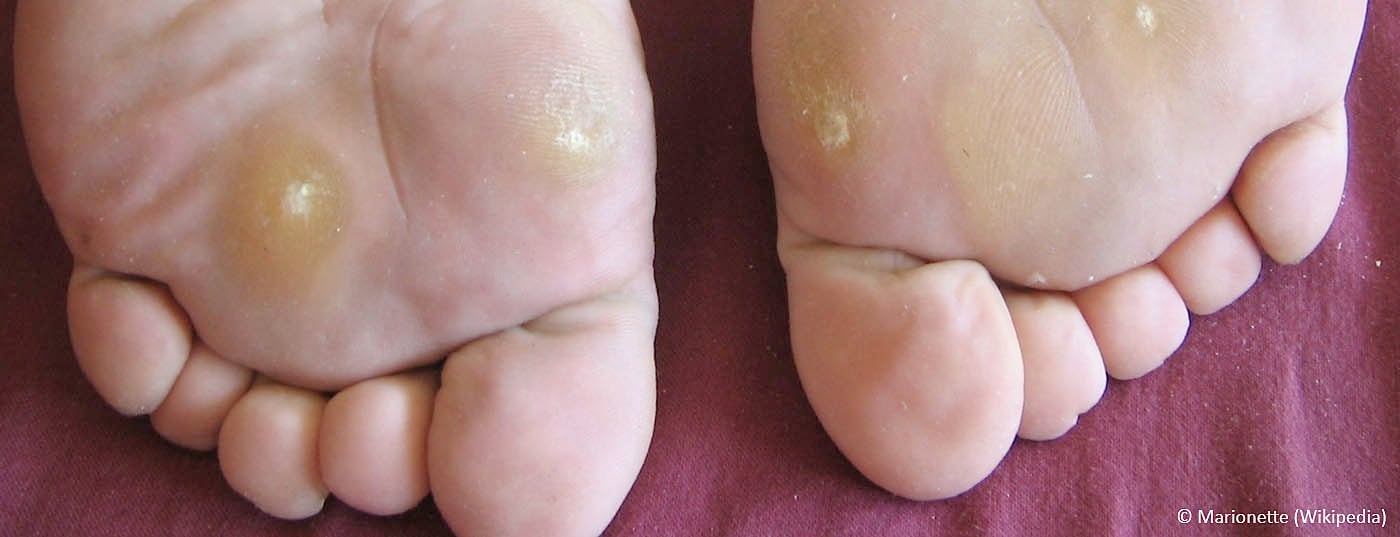
In an interview with DERMATOLOGIE PRAXIS, Med. pract. Daniel Fleisch, Dermatologisches Ambulatorium Triemli, on the etiology and the numerous ways warts can be treated. It provides information on when therapy for vulgar warts is indicated at all and addresses tissue destruction procedures as well as immunomodulatory and antiviral approaches. Last, he talks about the recurrence problem and the rare presentation of generalized verrucosis.

Mr. Fleisch, human papillomaviruses are crucial for the etiology, what behavioral measures do you advise patients to avoid contact infections?
Med. pract. Meat: In the past, visits to public facilities (swimming pools, saunas, communal showers, etc.) were considered to be the main risk factor for acquiring warts. A recent publication puts this mode of transmission into perspective and proved that family members with warts are the most important risk factor, ahead of schoolmates with warts.
Both transmission routes have a much higher priority than any other environmental factors. Therefore, the authors recommend that more focus be placed on the transmission of HPV by family members or schoolmates and that, for example, existing warts in family members be covered.

Warts caused by a viral infection are in principle self-limiting. Nevertheless, there are an extraordinary number of ways in which they can be made to disappear: When is therapy indicated at all?
Vulgar warts represent a benign viral infection, which per se and due to the high spontaneous healing rate does not need to be treated. Therapy is indicated primarily when the warts result in pain or functional impairment. The indication for therapy in immunosuppressed patients should be generous.
Often, affected individuals see a doctor because of the cosmetic impairment. Or parents come to the consultation with their children suffering from warts because they fear a spread of the viral infection.

Regarding tissue destruction, which physical agent (cryotherapy, curettage, electrocoagulation, surgery, laser, photodynamic therapy) has the best scientific evidence based on current evidence?
The data situation with regard to current therapeutic measures is generally unsatisfactory. There is a lack of good randomized controlled trials comparing the efficacy of different treatments.
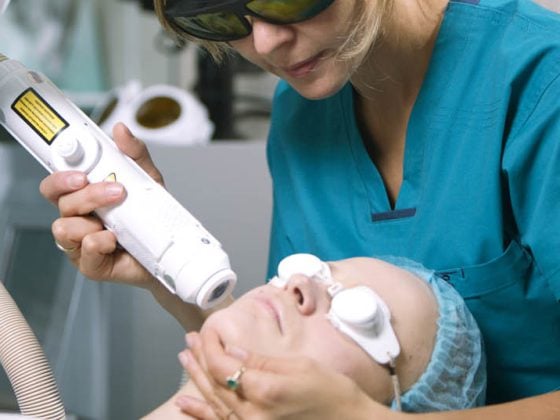
Of all the physical therapy modalities, cryotherapy has the best evidence. It is recommended by several authors as second-line therapy, immediately after the best-studied local therapy using salicylic acid. Based on research, liquid nitrogen therapy is recommended to be “aggressive” to be effective. According to a British study, photodynamic therapy is also considered to have a high level of evidence. The evidence for all other physical therapy methods is insufficient. Surgical excision should be consistently avoided, as therapeutic success is often frustrating and scarring is inevitable. Radiotherapy, which was once frequently used, is nowadays also considered obsolete in the treatment of warts.

What are the advantages of immunomodulatory or even antiviral therapeutic approaches?
The application of the immunomodulatory active Imiquimod represents a therapy alternative, which offers the advantage of a largely painless treatment. As a stand-alone therapy, it is rather ineffective, e.g., in the case of periungual warts in combination with prior laser ablation, the use of imiquimod can, however, be quite useful.
According to the literature, antiviral substances such as interferon or cidofovir are used in exceptional cases of therapy-resistant warts. Both substances, especially cidofovir, are associated with high therapy costs.

Have there been promising developments in the field of chemical destruction of warts (keratolytics, cytostatics, etching substances) in recent years?
There are numerous wart remedies on the market, which can be applied by the patient himself. Also new products often contain the same or similarly effective, mostly caustic ingredients, which do not show outstanding effect compared to the previous topicals.

What is there to say about the recurrence problem of the different methods?
Recurrences are generally exceedingly common, regardless of which therapy was used. Patients often suspend treatment too early in the belief of a supposed healing, which is often misinterpreted as “resistance to therapy” and results in a referral to the dermatologist. Patients should therefore be instructed to use the therapy for a sufficiently long time, true to the motto “better once too much than once too little”.

Generalized verrucosis is particularly distressing for the affected person. What forms of therapy are recommended here?
In the past, generalized verrucosis was used as a synonym of epidermodysplasia verruciformis Lewandowsky-Lutz. Today it is considered a separate entity and represents a form of generalized verrucosis. In addition, other genetic or immunodeficiency disorders are distinguished, which may result in diffuse HPV infection. Examples include patients with chronic lymphocytic leukemia, HIV patients, transplant recipients, hyper IgE syndrome, and Wiskott-Aldrich syndrome.
Therapeutically, the treatment is difficult for understandable reasons. Considering the generalization of warts, topical therapies are not very practical. The focus is on immunomodulatory therapies, according to a recent review paper. Apart from treatment, such patients must be regularly screened for skin neoplasia because of the oncogenic potential of “high-risk” HPV types (especially in transplant recipients and epidermodysplasia verruciformis).

Interview: Andreas Grossmann

DERMATOLOGIE PRAXIS 2014; 24(3): 38-39

Publikation
  • DERMATOLOGIE PRAXIS
Related Topics
  • antiviral
  • Cidofovir
  • Hyper IgE syndrome
  • Interferon
  • Recurrence
  • Tissue destruction
  • Verrucosis
  • Wart
  • Wiskott-Aldrich syndrome
Previous Article
  • 3rd DermAcademy 2014

Immunotherapy in practice and nutritional aspects of acne

  • Allergology and clinical immunology
  • Congress Reports
  • Dermatology and venereology
  • Infectiology
  • Nutrition
  • RX
View Post
Next Article
  • 12th National Laser Congress

An overview of tattoo removal and skin tightening procedures

  • Congress Reports
  • Dermatology and venereology
  • RX
  • Surgery
View Post
You May Also Like
View Post
  • 11 min
  • Peristomal skin health

Focus on preventive care options

    • RX
    • Cases
    • CME continuing education
    • Dermatology and venereology
    • Gastroenterology and Hepatology
    • Infectiology
    • Physical medicine and rehabilitation
    • Prevention and health care
    • Surgery
View Post
  • 5 min
  • Mental Health with GLP-1 RAs

Benefits of Semaglutide and Liraglutide

    • RX
    • Education
    • Endocrinology and Diabetology
    • General Internal Medicine
    • Nutrition
    • Psychiatry and psychotherapy
    • Studies
View Post
  • 4 min
  • Bronchiolitis obliterans

Out of shape even without popcorn

    • RX
    • Education
    • General Internal Medicine
    • Infectiology
    • Pediatrics
    • Pneumology
    • Studies
View Post
  • 8 min
  • Case study

Guillain-Barré syndrome with a fulminant course

    • RX
    • Cases
    • Education
    • Infectiology
    • Neurology
    • Pharmacology and toxicology
    • Radiology
    • Studies
View Post
  • 5 min
  • Suspicion of neuroborreliosis?

Detection of borrelia-specific CSF parameters provides certainty

    • RX
    • Congress Reports
    • Infectiology
    • Neurology
    • Studies
View Post
  • 12 min
  • The Brain and the Motivation to Eat

Why is it so hard to lose weight?

    • RX
    • CME continuing education
    • Endocrinology and Diabetology
    • General Internal Medicine
    • Nutrition
    • Pharmacology and toxicology
    • Prevention and health care
    • Psychiatry and psychotherapy
    • Studies
View Post
  • 12 min
  • Global Recommendation, Swissmedic Approval, and SL Limitation

WHO Guidelines on GLP-1 for Obesity

    • RX
    • Cardiology
    • Education
    • Endocrinology and Diabetology
    • General Internal Medicine
    • Nutrition
    • Pharmacology and toxicology
    • Prevention and health care
    • Studies
View Post
  • 7 min
  • Obesity in Children and Adolescents

Gene-Environment Interactions: Polygenic or Monogenic Determinants?

    • RX
    • Education
    • General Internal Medicine
    • Genetics
    • Nutrition
    • Pediatrics
  • IBD matters

    Zum Thema
Top CME content
  • 1
    Focus on preventive care options
  • 2
    Inflammation as a Treatment Goal in Its Own Right
  • 3
    Personalized Treatment Before a Planned Pregnancy
  • 4
    Current State of Knowledge and New Therapeutic Approaches
  • 5
    Why is it so hard to lose weight?

Newsletter

Sign up and stay up to date

Subscribe
Medizinonline Medizinonline
  • Contact
  • General terms and conditions
  • Imprint

Input your search keywords and press Enter.