Medizinonline Medizinonline
  • News
    • News
    • Market & Medicine
  • Patients
    • Disease patterns
    • Diagnostics
    • Therapy
  • Partner Content
    • Diabetes
      • Dia-Month Club – Type 2 Diabetes
      • Diabetes in Motion
      • Diabetes Podcasts
    • Gastroenterology
      • IBD matters
    • Oncology
      • Swiss Oncology in motion
    • Orthopedics
      • Osteoporosis in motion
  • Departments
    • Allergology and clinical immunology
    • General Internal Medicine
    • Anesthesiology
    • Angiology
    • Surgery
    • Dermatology and venereology
    • Endocrinology and Diabetology
    • Nutrition
    • Gastroenterology and Hepatology
    • Genetics
    • Geriatrics
    • Gynecology
    • Hematology
    • Infectiology
    • Cardiology
    • Nephrology
    • Neurology
    • Emergency and intensive care medicine
    • Nuclear Medicine
    • Oncology
    • Ophthalmology
    • ORL
    • Orthopedics
    • Pediatrics
    • Pharmacology and toxicology
    • Pharmaceutical medicine
    • Phlebology
    • Physical medicine and rehabilitation
    • Pneumology
    • Prevention and health care
    • Psychiatry and psychotherapy
    • Radiology
    • Forensic Medicine
    • Rheumatology
    • Sports Medicine
    • Traumatology and trauma surgery
    • Tropical and travel medicine
    • Urology
    • Dentistry
  • CME & Congresses
    • CME continuing education
    • Congress Reports
    • Congress calendar
  • Practice
    • Noctimed
    • Practice Management
    • Jobs
    • Interviews
  • Log In
  • Register
  • My account
  • Contact
  • Publications
  • Contact
  • Deutsch
  • English
  • Français
  • Italiano
  • Português
  • Español
Subscribe
Medizinonline Medizinonline
  • News
    • News
    • Market & Medicine
  • Patienten
    • Krankheitsbilder
    • Diagnostik
    • Therapie
  • Partner Content
    • Diabetes
      • Dia-Month Club – Type 2 Diabetes
      • Diabetes in Motion
      • Diabetes Podcasts
    • Gastroenterology
      • IBD matters
    • Oncology
      • Swiss Oncology in motion
    • Orthopedics
      • Osteoporosis in motion
    • Phytotherapie
    • Rheumatology
  • Departments
    • Fachbereiche 1-13
      • Allergology and clinical immunology
      • General Internal Medicine
      • Anesthesiology
      • Angiology
      • Surgery
      • Dermatology and venereology
      • Endocrinology and Diabetology
      • Nutrition
      • Gastroenterology and Hepatology
      • Genetics
      • Geriatrics
      • Gynecology
      • Hematology
    • Fachbereiche 14-26
      • Infectiology
      • Cardiology
      • Nephrology
      • Neurology
      • Emergency and intensive care medicine
      • Nuclear Medicine
      • Oncology
      • Ophthalmology
      • ORL
      • Orthopedics
      • Pediatrics
      • Pharmacology and toxicology
      • Pharmaceutical medicine
    • Fachbereiche 26-38
      • Phlebology
      • Physical medicine and rehabilitation
      • Phytotherapy
      • Pneumology
      • Prevention and health care
      • Psychiatry and psychotherapy
      • Radiology
      • Forensic Medicine
      • Rheumatology
      • Sports Medicine
      • Traumatology and trauma surgery
      • Tropical and travel medicine
      • Urology
      • Dentistry
  • CME & Congresses
    • CME continuing education
    • Congress Reports
    • Congress calendar
  • Practice
    • Noctimed
    • Practice Management
    • Jobs
    • Interviews
Login

Sie haben noch keinen Account? Registrieren

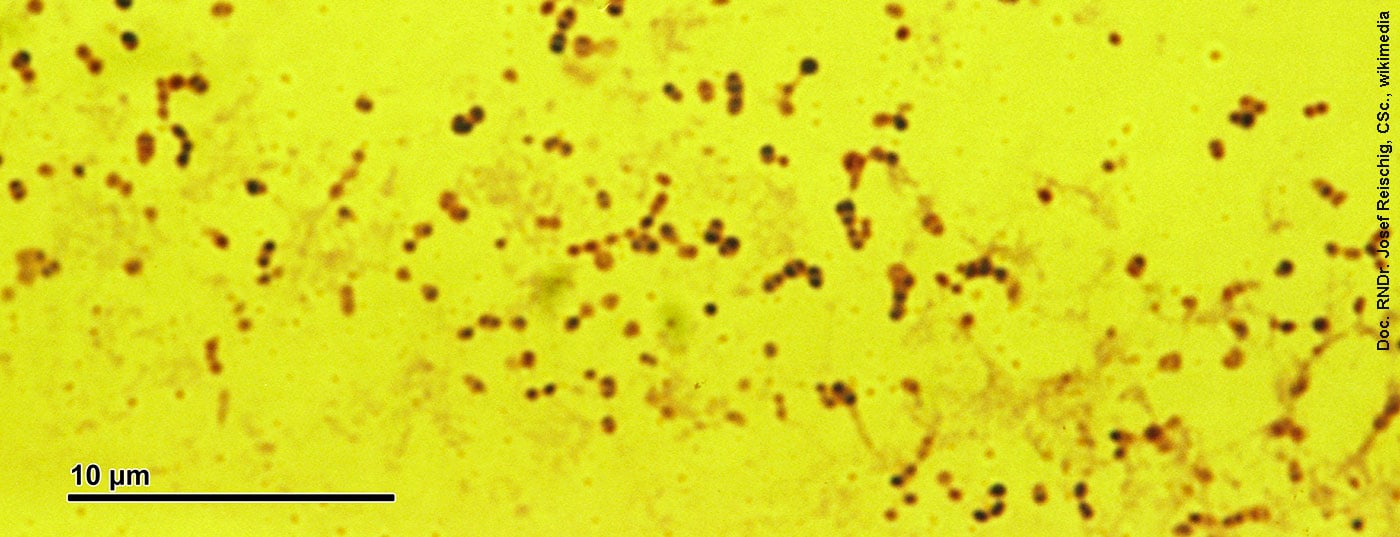
  • Streptococcus pneumoniae in chronic lung disease patients.

Vaccinate against pneumococci can save lives

    • Education
    • General Internal Medicine
    • Infectiology
    • Pneumology
    • Prevention and health care
    • RX
    • Studies
  • 3 minute read

Asthmatics and COPD sufferers are often easy prey for bacteria and viruses: Due to the underlying disease, the immune system of patients is usually less stable than that of healthy people and can offer little resistance to attacks by pneumococci or flu viruses.

A group of Russian researchers conducted a study to investigate the effectiveness of preventing pneumococcal infections in patients with existing chronic lung disease [1]. For this purpose, they developed a questionnaire to assess the history of the underlying disease in the year before vaccination and the history in the year after vaccination. 881 patients with chronic lung disease who underwent vaccination were included in the study and divided into three age groups.

The evaluation showed that pneumococcal vaccination significantly reduced the number of exacerbations of the underlying disease in patients with chronic lung disease:

  • 56 to 60 years
    (RR = 0.3; 95%-KI: 0.12-0.73)
  • 61 to 65 years
    (RR = 0.3; 95%-KI: 0.12-0.73)
  • 66 to 70 years
    (RR = 0.17; 95% CI: 0.06-0.49; p<0.05)

There was also a positive trend in hospitalizations for decompensation of the underlying disease: no hospitalizations were registered in all groups in the year after vaccination. There was also a significant decrease in the incidence of acute respiratory infections in all groups. The results indicate a high efficiency of vaccination against pneumococcal infections in patients with chronic lung disease, the researchers concluded.

Vaccinated COPDers with Fewer Exacerbations

This assessment was shared by Dr. Rosario Menéndez, University of Valencia, at the 2019 ERS Congress in Madrid [2]. Especially in patients with chronic respiratory diseases such as COPD, pneumococcal and influenza vaccinations can have life-saving effects. As evidence, she cited the rate of exacerbations requiring hospitalization during flu season, which drops by one-third when COPD patients are vaccinated against influenza.


Two vaccines for young and old

Vaccination against Streptococcus pneumoniae offers a choice between the 13-valent conjugate vaccine (PCV13) and the 23-valent polysaccharide vaccine (PSV23).
Due to the high risk of infection, the frequent complications and the relatively high risk of permanent sequelae, especially for infants and young children, the Standing Commission on Vaccination (STIKO) in Germany recommends that all children be vaccinated against pneumococci from the age of two months. PCV13 is usually used here.

In contrast, chronically ill patients and those over 60 years of age are treated only with PSV23 unless they have an immunodeficiency or an increased risk of meningitis. If so, vaccination is done first with PCV13 and 6-12 months later with PSV23.

In 2020, the Swiss Vaccination Plan made an adjustment to the risk groups as an innovation: According to this, a single dose of PCV13 is now recommended for adults diagnosed with celiac disease. This should protect against the increased risk of invasive pneumococcal infections due to celiac disease-induced hyposplenia or functional asplenia.


Vaccinations against influenza and pneumococci are particularly advisable for patients with underlying pneumological and cardiovascular diseases. For example, pneumococcal pneumonia significantly increases the risk of myocardial infarction; cardiac biomarkers remain detectably elevated as late as four weeks after pneumonia.
Even beyond that, vaccination against both pneumococcus and influenza has other positive effects for chronically ill heart or lung patients, Dr. Menéndez pointed out. Among other things, this reduces antibiotic consumption, decreases resistance and has positive side effects for the cardiovascular system.


Literature:

  1. Kraposhina A, et al: Results of vaccination against pneumococcal infection in patients with chronic lung diseases. European Respiratory Journal 2019; 54: Suppl. 63, PA2896.
  2. Symposium “The future of respiratory diseases: what prevention can do” at the International Congress of the European Respiratory Society (ERS) 2019.


InFo PNEUMOLOGY & ALLERGOLOGY 2020; 2(1): 22.
HAUSARZT PRAXIS 2020; 15(4): 18
 

Autoren
  • Jens Dehn
Publikation
  • InFo PNEUMOLOGIE & ALLERGOLOGIE
Related Topics
  • Asthma
  • COPD
  • Exacerbations
  • Pneumococcus
  • Vaccine
Previous Article
  • Lipid Management

Cardiovascular prevention = effective cholesterol reduction

  • Cardiology
  • Education
  • Prevention and health care
  • RX
View Post
Next Article
  • Stroke

Gentle rehabilitation reduces subsequent disabilities

  • Congress Reports
  • Emergency and intensive care medicine
  • Neurology
  • Physical medicine and rehabilitation
  • RX
  • Sports Medicine
  • Studies
View Post
You May Also Like
View Post
  • 9 min
  • Polycystic ovary syndrome 2025/2026

New pathophysiology, updated diagnostics and the age of incretin mimetics

    • Education
    • Gastroenterology and Hepatology
    • General Internal Medicine
    • Gynecology
    • Pharmacology and toxicology
    • RX
    • Studies
View Post
  • 14 min
  • Heart failure and type 2 diabetes

Oral semaglutide and cardiac decompensation in type 2 diabetes

    • Cardiology
    • Education
    • Endocrinology and Diabetology
    • RX
    • Studies
View Post
  • 7 min
  • Atopic dermatitis as a door opener for an atopic cascade?

AD trajectories: Summary of current findings

    • Allergology and clinical immunology
    • Congress Reports
    • Dermatology and venereology
    • RX
    • Studies
View Post
  • 11 min
  • New evidence on descensus, urinary incontinence and the future of reconstruction

Urogynecology and pelvic floor surgery 2026

    • Education
    • General Internal Medicine
    • Gynecology
    • Physical medicine and rehabilitation
    • RX
    • Studies
    • Surgery
    • Urology
View Post
  • 8 min
  • Proteins in wound healing

Do special amino acids lead to success?

    • CME continuing education
    • Dermatology and venereology
    • Endocrinology and Diabetology
    • Nutrition
    • RX
    • Studies
View Post
  • 5 min
  • Case study

Autosomal recessive polycystic kidney disease: atypical phenotype

    • Cases
    • Education
    • Gastroenterology and Hepatology
    • Genetics
    • Nephrology
    • RX
View Post
  • 12 min
  • Current evidence, risk classes and new counseling options

Hormonal contraception and cardiovascular risk

    • Cardiology
    • Education
    • Gynecology
    • Neurology
    • Pharmacology and toxicology
    • RX
    • Studies
View Post
  • 4 min
  • Acute otitis media: self-limiting course vs. "red flags"

In which cases are antibiotics necessary?

    • Congress Reports
    • General Internal Medicine
    • Infectiology
    • ORL
    • Pediatrics
    • RX
  • IBD matters

    Zum Thema
Top CME content
  • 1
    Do special amino acids lead to success?
  • 2
    Current status of PAT
  • 3
    Surgical wound complications
  • 4
    Do special amino acids lead to success?
  • 5
    Functional limb preservation between infection control, vascular medicine and resurfacing

Newsletter

Sign up and stay up to date

Subscribe
Medizinonline Medizinonline
  • Contact
  • General terms and conditions
  • Imprint

Input your search keywords and press Enter.