Medizinonline Medizinonline
  • News
    • News
    • Market & Medicine
  • Patients
    • Disease patterns
    • Diagnostics
    • Therapy
  • Partner Content
    • Diabetes
      • Dia-Month Club – Type 2 Diabetes
      • Diabetes in Motion
      • Diabetes Podcasts
    • Gastroenterology
      • IBD matters
    • Oncology
      • Swiss Oncology in motion
    • Orthopedics
      • Osteoporosis in motion
  • Departments
    • Allergology and clinical immunology
    • General Internal Medicine
    • Anesthesiology
    • Angiology
    • Surgery
    • Dermatology and venereology
    • Endocrinology and Diabetology
    • Nutrition
    • Gastroenterology and Hepatology
    • Genetics
    • Geriatrics
    • Gynecology
    • Hematology
    • Infectiology
    • Cardiology
    • Nephrology
    • Neurology
    • Emergency and intensive care medicine
    • Nuclear Medicine
    • Oncology
    • Ophthalmology
    • ORL
    • Orthopedics
    • Pediatrics
    • Pharmacology and toxicology
    • Pharmaceutical medicine
    • Phlebology
    • Physical medicine and rehabilitation
    • Pneumology
    • Prevention and health care
    • Psychiatry and psychotherapy
    • Radiology
    • Forensic Medicine
    • Rheumatology
    • Sports Medicine
    • Traumatology and trauma surgery
    • Tropical and travel medicine
    • Urology
    • Dentistry
  • CME & Congresses
    • CME continuing education
    • Congress Reports
    • Congress calendar
  • Practice
    • Noctimed
    • Practice Management
    • Jobs
    • Interviews
  • Log In
  • Register
  • My account
  • Contact
  • Publications
  • Contact
  • Deutsch
  • English
  • Français
  • Italiano
  • Português
  • Español
Subscribe
Medizinonline Medizinonline
  • News
    • News
    • Market & Medicine
  • Patienten
    • Krankheitsbilder
    • Diagnostik
    • Therapie
  • Partner Content
    • Diabetes
      • Dia-Month Club – Type 2 Diabetes
      • Diabetes in Motion
      • Diabetes Podcasts
    • Gastroenterology
      • IBD matters
    • Oncology
      • Swiss Oncology in motion
    • Orthopedics
      • Osteoporosis in motion
    • Phytotherapie
    • Rheumatology
  • Departments
    • Fachbereiche 1-13
      • Allergology and clinical immunology
      • General Internal Medicine
      • Anesthesiology
      • Angiology
      • Surgery
      • Dermatology and venereology
      • Endocrinology and Diabetology
      • Nutrition
      • Gastroenterology and Hepatology
      • Genetics
      • Geriatrics
      • Gynecology
      • Hematology
    • Fachbereiche 14-26
      • Infectiology
      • Cardiology
      • Nephrology
      • Neurology
      • Emergency and intensive care medicine
      • Nuclear Medicine
      • Oncology
      • Ophthalmology
      • ORL
      • Orthopedics
      • Pediatrics
      • Pharmacology and toxicology
      • Pharmaceutical medicine
    • Fachbereiche 26-38
      • Phlebology
      • Physical medicine and rehabilitation
      • Phytotherapy
      • Pneumology
      • Prevention and health care
      • Psychiatry and psychotherapy
      • Radiology
      • Forensic Medicine
      • Rheumatology
      • Sports Medicine
      • Traumatology and trauma surgery
      • Tropical and travel medicine
      • Urology
      • Dentistry
  • CME & Congresses
    • CME continuing education
    • Congress Reports
    • Congress calendar
  • Practice
    • Noctimed
    • Practice Management
    • Jobs
    • Interviews
Login

Sie haben noch keinen Account? Registrieren

  • White skin cancer

Well camouflaged – treated even better

    • Dermatology and venereology
    • Education
    • Oncology
    • RX
  • 3 minute read

Light skin cancers are the result of long-term UV exposure, lack of sun protection and light skin. Basal cell and squamous cell carcinomas are among the most common skin tumors and can usually be surgically removed. Most of the time – but not always.

White skin cancer develops on the sun terraces of the body, i.e. on the face, neck on the forearms and the back of the hands. Up to 25,000 people are diagnosed with basal cell carcinoma or spinalioma in Switzerland each year [1]. In contrast to melanoma, light skin cancers are not as dangerous, but they are much more frequent – and the numbers of sufferers continue to rise.

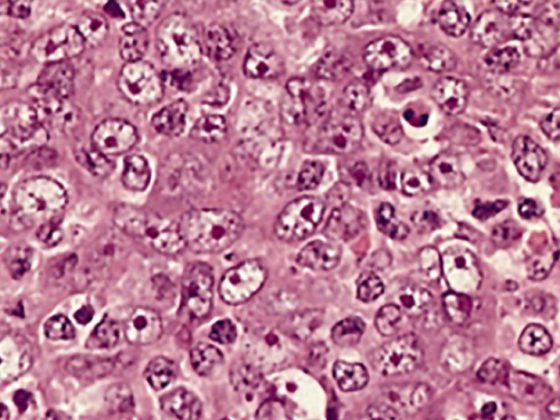
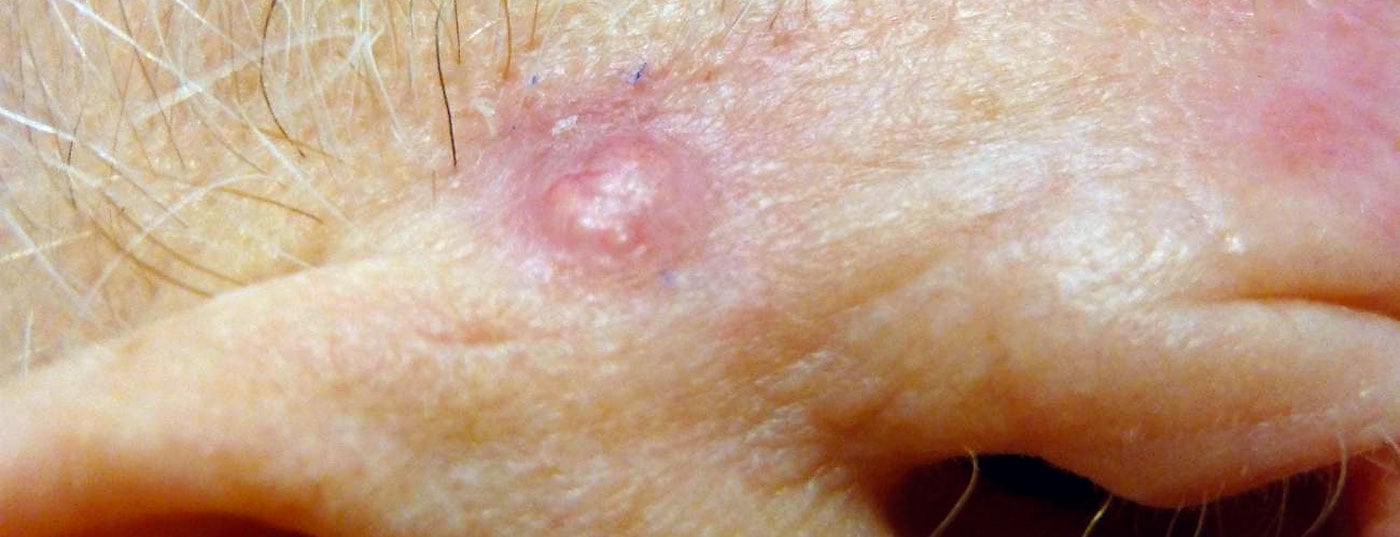
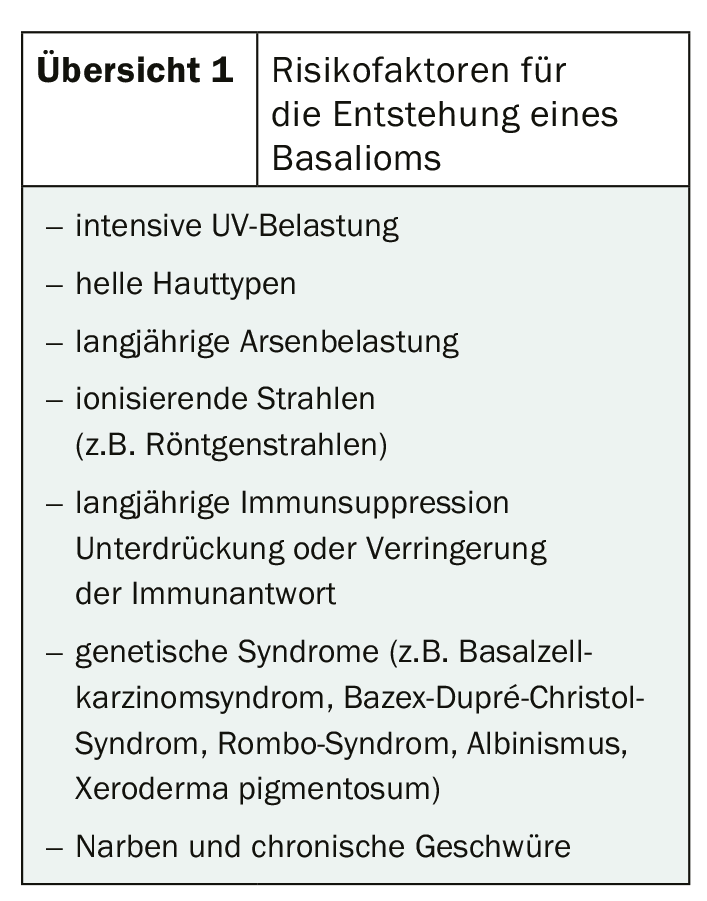
It is estimated that one in ten people will develop basal cell carcinoma in their lifetime [2]. These arise from the cells of the basal cell layer and can grow into the surrounding tissue. In severe cases, cartilage and bone may also be affected. Metastases, on the other hand, rarely form. In addition to a genetic predisposition, an intense UV disposition is considered to be the main risk factor (Overview 1). Primarily, they develop in skin areas that have hair follicles. Appearance varies greatly and may include skin-colored to brownish nodules with a pearly sheen. But also reddish spots with small nodules at the edge as well as open spots can occur. 70-80% of all basal cell carcinomas are found in the head and neck region [3]. The nose, lips or forehead are particularly often affected. They also often form on the neck and hands, and less frequently on the legs.


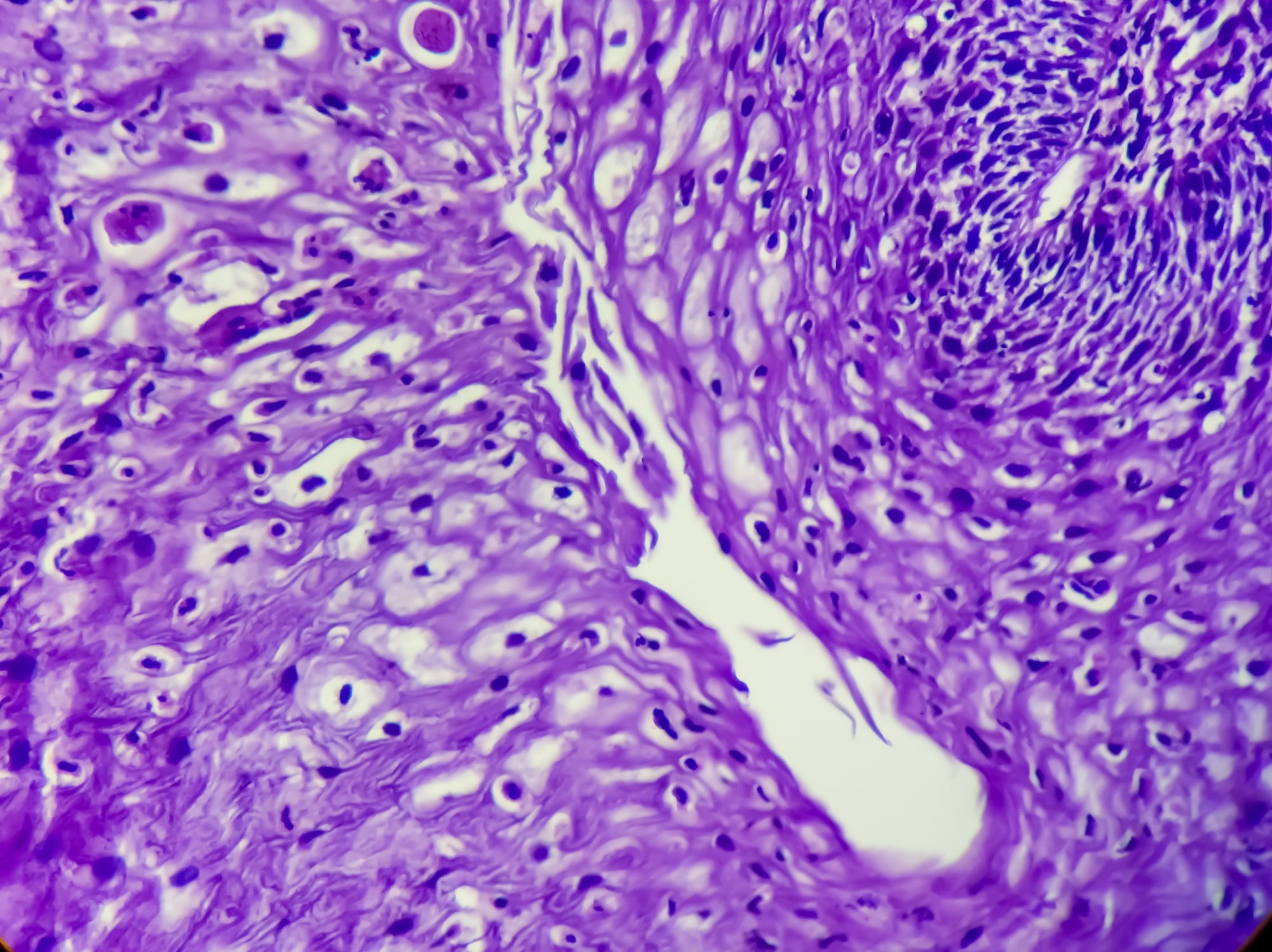
Squamous cell carcinoma arises mainly on the face. Those affected are mostly older than 60. It often manifests itself in scaly, reddened or brownish-yellowish skin lesions. But scabby, encrusted wounds are also possible. Primarily, spinaloma develops on pre-existing actinic keratoses. It grows more aggressively than basal cell carcinoma and can spread to adjacent lymph nodes or even other organs if not treated or treated inadequately, increasing the risk of metastasis [4]. Therefore, early treatment is essential.

Good chances of cure – even in late stages

In contrast to black skin cancer, both disease entities have very good chances of cure, especially in early stages. In this case, complete surgical removal of the tumor is usually sufficient. In advanced and metastatic light skin cancer, however, immunotherapies are playing an increasingly important role and are slowly replacing platinum-based chemotherapy as the standard of care.

This is because with a high mutation load, numerous immunogenic tumor neoantigens are expressed and recognized by T cells. Therefore, they respond very well to immune checkpoint blockade [5]. Patients with metastatic cutaneous squamous cell carcinoma appear to respond well to treatment with PD1 antibodies. In patients with advanced basal cell carcinoma, inhibitors of the Sonic Hedgehog pathway probably achieve good results.


Literature:

  1. www.krebsliga.ch/ueber-krebs/krebsarten/hautkrebs-helle-hautkrebsarten/ (last accessed on 27.01.2020)
  2. Szeimies RM, Hauschild A, Garbe C, (eds.) et al: Tumors of the Skin: Fundamentals – Diagnostics – Therapy, Thieme Verlag 2010.
  3. Deutsche Krebshilfe e.V.: Die blauen Ratgeber, Volume 5 “Skin cancer” (as of 04/2016)
  4. www.krebsgesellschaft.de/onko-internetportal/basis-informationen-krebs/krebsarten/hautkrebs/heller-hautkrebs-eine-unterschaetzte-erkrankung.html (last accessed on 27.01.2020)
  5. Migden MR, et al: PD-1 blockade wirh cemiplimab in advanced cutaneous squamous-cell carcinoma. N Engl J Med 2018; 379: 341-351.


InFo ONCOLOGY & HEMATOLOGY 2020; 8(1): 20.

Publikation
  • InFo ONKOLOGIE & HÄMATOLOGIE
Related Topics
  • Basal cell carcinoma
  • Skin cancer
  • squamous cell carcinoma
Previous Article
  • Hyposensitization

New option for allergy to ragweed

  • Allergology and clinical immunology
  • Market & Medicine
  • RX
View Post
Next Article
  • Nasopharyngeal carcinoma

Make the tumor shine?!

  • Congress Reports
  • Oncology
  • ORL
  • RX
  • Studies
View Post
You May Also Like
View Post
  • 3 min
  • From symptom to diagnosis

Abdominal pain – Prostate lipoma

    • Cases
    • Education
    • General Internal Medicine
    • Radiology
    • RX
    • Surgery
    • Urology
View Post
  • 6 min
  • Acute pulmonary embolism: new AHA/ACC guideline

Practical recommendations for risk-stratified triage

    • Cardiology
    • Education
    • Pneumology
    • RX
    • Studies
View Post
  • 13 min
  • Why lipoprotein(a) is the biggest therapeutic vacuum in cardiology

Lp(a): The underestimated risk factor before the turning point

    • Cardiology
    • Education
    • Endocrinology and Diabetology
    • RX
    • Studies
View Post
  • 11 min
  • Modern system therapeutics for hidradenitis suppurativa

Immunological dysregulation in the sights of several biologics and “small molecules”

    • Allergology and clinical immunology
    • Dermatology and venereology
    • Education
    • RX
    • Studies
View Post
  • 15 min
  • Perimenopausal depression, PMDS and tokophobia

Psychosomatics and mental health in gynecology

    • Education
    • Gynecology
    • Psychiatry and psychotherapy
    • RX
    • Studies
View Post
  • 7 min
  • Plastic surgery and reconstructive microsurgery for DFS

Functional limb preservation between infection control, vascular medicine and resurfacing

    • Angiology
    • CME continuing education
    • Endocrinology and Diabetology
    • General Internal Medicine
    • Geriatrics
    • Physical medicine and rehabilitation
    • RX
    • Surgery
View Post
  • 8 min
  • Proteins in wound healing

Do special amino acids lead to success?

    • CME continuing education
    • Dermatology and venereology
    • Endocrinology and Diabetology
    • Nutrition
    • RX
    • Studies
View Post
  • 9 min
  • Polycystic ovary syndrome 2025/2026

New pathophysiology, updated diagnostics and the age of incretin mimetics

    • Education
    • Gastroenterology and Hepatology
    • General Internal Medicine
    • Gynecology
    • Pharmacology and toxicology
    • RX
    • Studies
  • IBD matters

    Zum Thema
Top CME content
  • 1
    Functional limb preservation between infection control, vascular medicine and resurfacing
  • 2
    Do special amino acids lead to success?
  • 3
    Do special amino acids lead to success?
  • 4
    Current status of PAT
  • 5
    Surgical wound complications

Newsletter

Sign up and stay up to date

Subscribe
Medizinonline Medizinonline
  • Contact
  • General terms and conditions
  • Imprint

Input your search keywords and press Enter.