Medizinonline Medizinonline
  • News
    • News
    • Market & Medicine
  • Patients
    • Disease patterns
    • Diagnostics
    • Therapy
  • Partner Content
    • Diabetes
      • Dia-Month Club – Type 2 Diabetes
      • Diabetes in Motion
    • Gastroenterology
      • IBD matters
    • Oncology
      • Swiss Oncology in motion
    • Orthopedics
      • Osteoporosis in motion
  • Departments
    • Allergology and clinical immunology
    • General Internal Medicine
    • Anesthesiology
    • Angiology
    • Surgery
    • Dermatology and venereology
    • Endocrinology and Diabetology
    • Nutrition
    • Gastroenterology and Hepatology
    • Genetics
    • Geriatrics
    • Gynecology
    • Hematology
    • Infectiology
    • Cardiology
    • Nephrology
    • Neurology
    • Emergency and intensive care medicine
    • Nuclear Medicine
    • Oncology
    • Ophthalmology
    • ORL
    • Orthopedics
    • Pediatrics
    • Pharmacology and toxicology
    • Pharmaceutical medicine
    • Phlebology
    • Physical medicine and rehabilitation
    • Pneumology
    • Prevention and health care
    • Psychiatry and psychotherapy
    • Radiology
    • Forensic Medicine
    • Rheumatology
    • Sports Medicine
    • Traumatology and trauma surgery
    • Tropical and travel medicine
    • Urology
    • Dentistry
  • CME & Congresses
    • CME continuing education
    • Congress Reports
    • Congress calendar
  • Practice
    • Noctimed
    • Practice Management
    • Jobs
    • Interviews
  • Log In
  • Register
  • My account
  • Contact
  • Publications
  • Contact
  • Deutsch
  • English
  • Français
  • Italiano
  • Português
  • Español
Subscribe
Medizinonline Medizinonline
  • News
    • News
    • Market & Medicine
  • Patienten
    • Krankheitsbilder
    • Diagnostik
    • Therapie
  • Partner Content
    • Diabetes
      • Dia-Month Club – Type 2 Diabetes
      • Diabetes in Motion
    • Gastroenterology
      • IBD matters
    • Oncology
      • Swiss Oncology in motion
    • Orthopedics
      • Osteoporosis in motion
    • Phytotherapie
    • Rheumatology
  • Departments
    • Fachbereiche 1-13
      • Allergology and clinical immunology
      • General Internal Medicine
      • Anesthesiology
      • Angiology
      • Surgery
      • Dermatology and venereology
      • Endocrinology and Diabetology
      • Nutrition
      • Gastroenterology and Hepatology
      • Genetics
      • Geriatrics
      • Gynecology
      • Hematology
    • Fachbereiche 14-26
      • Infectiology
      • Cardiology
      • Nephrology
      • Neurology
      • Emergency and intensive care medicine
      • Nuclear Medicine
      • Oncology
      • Ophthalmology
      • ORL
      • Orthopedics
      • Pediatrics
      • Pharmacology and toxicology
      • Pharmaceutical medicine
    • Fachbereiche 26-38
      • Phlebology
      • Physical medicine and rehabilitation
      • Phytotherapy
      • Pneumology
      • Prevention and health care
      • Psychiatry and psychotherapy
      • Radiology
      • Forensic Medicine
      • Rheumatology
      • Sports Medicine
      • Traumatology and trauma surgery
      • Tropical and travel medicine
      • Urology
      • Dentistry
  • CME & Congresses
    • CME continuing education
    • Congress Reports
    • Congress calendar
  • Practice
    • Noctimed
    • Practice Management
    • Jobs
    • Interviews
Login

Sie haben noch keinen Account? Registrieren

  • The somewhat different knowledge

Where does the name actually come from… Lynch syndrome?

    • Education
    • Gastroenterology and Hepatology
    • Gynecology
    • Oncology
    • RX
    • Urology
  • 2 minute read

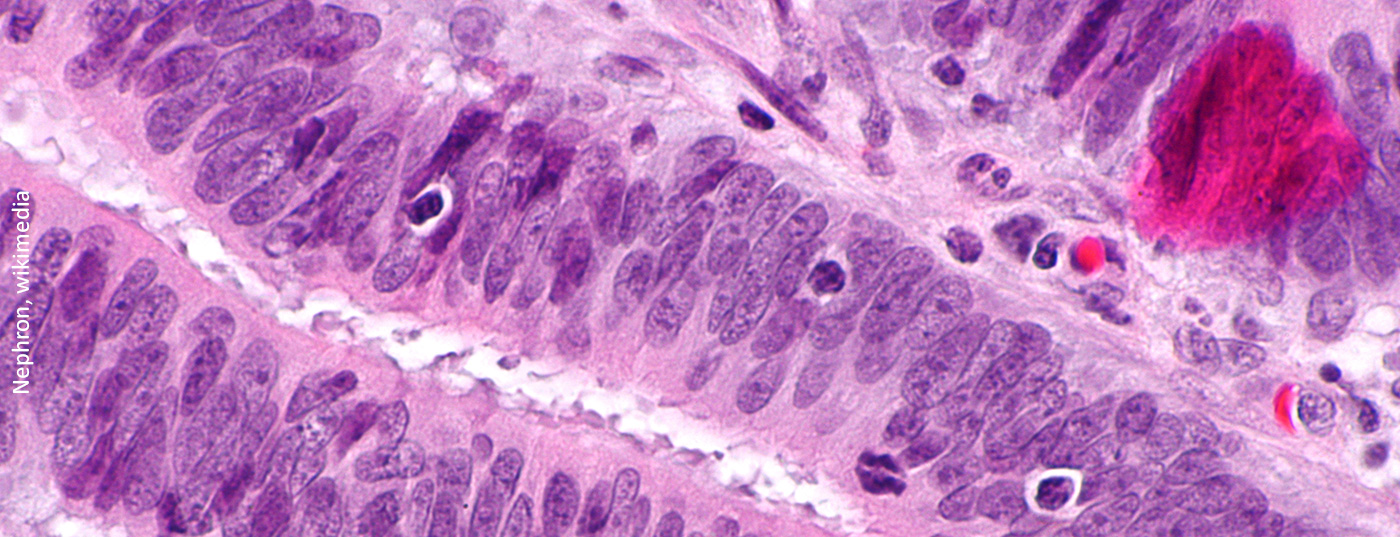
Lynch syndrome – often referred to synonymously as hereditary non-polyposis colon cancer – is the most common cause of hereditary colon cancer and other tumor diseases. So far, so good. But how did the disease get its name? A Search for Traces….

Lynch syndrome is an autosomal-dominant inherited tumor syndrome associated with a significantly increased risk of various cancers. This is because the patient has genetic alterations in the DNA repair genes MLH1 on chromosome 3p21.3, MSH2 on chromosome 2p21p22, MSH6 on chromosome 2p16, and PMS2 on chromosome 7p22. Unlike Hereditary Non-Polyposis Colon Carcinoma (HNPCC) – which is often used synonymously in clinical practice – the tumors do not occur exclusively in the gastrointestinal tract. There is also an increased risk of carcinoma of the stomach, endometrium, urothelial tissue, hepatobiliary system, ovaries, CNS, and skin. Because Lynch syndrome has a truncated adenoma-carcinoma sequence, even small adenomas have the potential to degenerate.
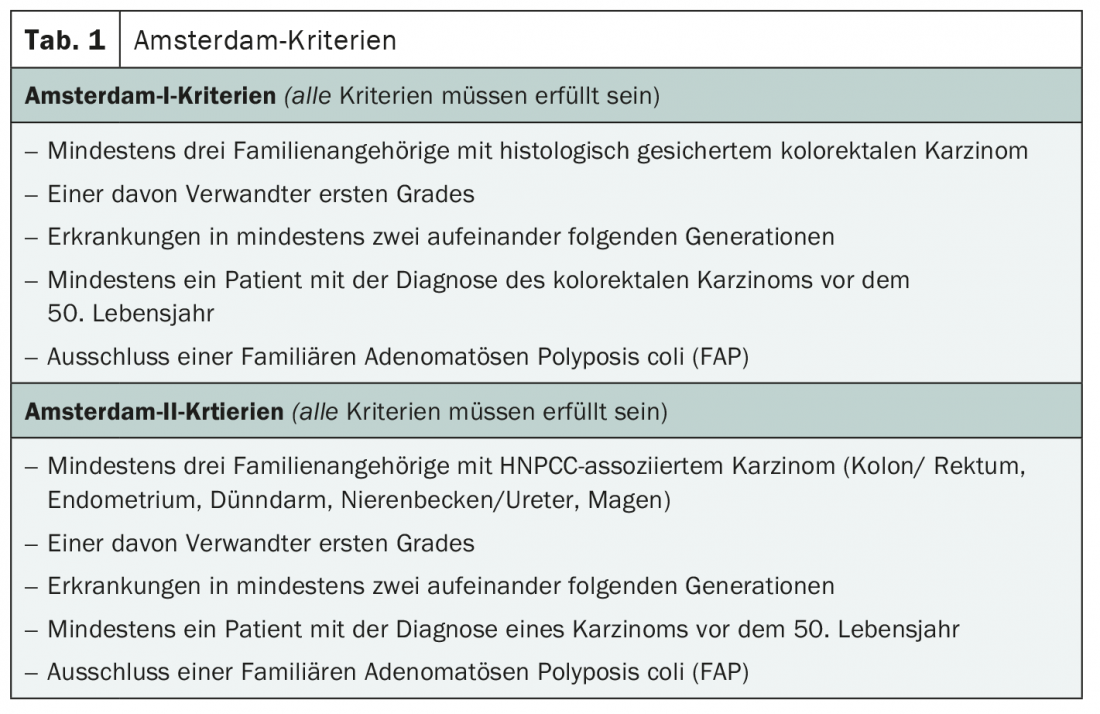


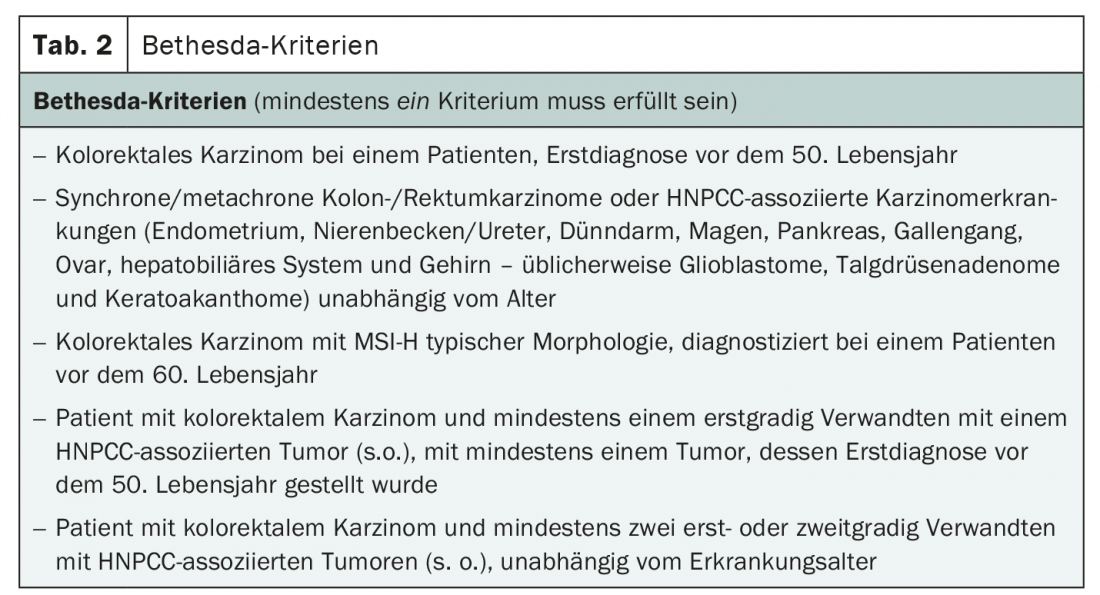
In 60% of cases, patients with a germline mutation fulfill the Amsterdam criteria (Tab. 1) . These are therefore also clarified in the first step of diagnostics. However, to cover the remaining affected individuals, the Bethesda criteria are also used as an indication for molecular genetic analysis of the tumor tissue (microsatellite analysis and immunohistochemical analysis) (Table 2) . If at least one criterion is met, further investigations should be performed. This includes a molecular pathological examination of the tumor tissue as well as molecular genetic studies of the blood. Treatment of Lynch syndrome usually consists of resection of the index lesion with regular search for other tumors. In the case of extensive tumor disease, chemotherapy is also administered.


Name giver Henry T. Lynch

As is so often the case, Lynch syndrome was named after its first describer, Henry T. Lynch. The American surgeon (1928-2019) was known for his discovery of familial susceptibility to certain cancers and his research into genetic links in cancer. Early in his career, he recognized that some cancer patients had relatives and ancestors who had the same type of cancer and postulated that cancer could be hereditary. He began to focus his research on this possibility, although it was considered unlikely by the medical establishment of the time. At the time, the focus was more on environmental causes of cancer. In 1970, he applied for a research grant citing a family in which numerous members had colon cancer. The application was rejected – as were most of his applications over the next 20 years. Nevertheless, he persisted and defined the necessary criteria for a genetic cancer: an early age of onset, a specific pattern of multiple primary cancers, and Mendelian inheritance patterns. Eventually, he was able to prove his theories. He demonstrated the Mendelian inheritance pattern for certain breast and ovarian cancers, laying the foundation for the identification of specific genes, such as BRCA1 and BRCA2. The best-known example, however, is the most common form of hereditary colorectal carcinoma: Lynch syndrome.


Further reading:

  • www.hnpcc.de/lynch-syndrom.html
  • www.mgz-muenchen.de/erkrankungen/diagnose/hereditaeres-nicht-polypoeses-kolonkarzinom-hnpcc-lynch-syndrom.html
  • www.msdmanuals.com/de-de/profi/gastrointestinale-erkrankungen/tumoren-des-gastrointestinaltrakts/lynch-syndrom
  • flexikon.doccheck.com/en/Lynch syndrome
  • www.humangenetics.uni-bonn.de/de/beratung/erbliche-tumorerkrankungen/krankheitsbilder/hnpcc-lynch-syndrom
  • https://en.wikipedia.org/wiki/Henry_T._Lynch


InFo ONCOLOGY & HEMATOLOGY 2022; 10(2): 36.

Autoren
  • Leoni Burggraf
Publikation
  • InFo ONKOLOGIE & HÄMATOLOGIE
Related Topics
  • lynch syndrome
Previous Article
  • Cannabis

Controlled release pilot launched for non-medical purposes

  • Education
  • Neurology
  • News
  • Pharmacology and toxicology
  • RX
  • Studies
View Post
Next Article
  • Systemic Lupus Erythematosus

New weapons in the fight against SLE

  • Allergology and clinical immunology
  • Congress Reports
  • Dermatology and venereology
  • General Internal Medicine
  • Rheumatology
  • RX
  • Studies
View Post
You May Also Like
View Post
  • 8 min
  • Hyperhidrosis: Keep a Cool Head

An Overview of Important Treatment Options

    • RX
    • Dermatology and venereology
    • Education
    • General Internal Medicine
    • Pharmacology and toxicology
    • Studies
View Post
  • 6 min
  • This article was sponsored by Johnson & Johnson.

Give your patients a chance to live longer without progression with TECVAYLI® + DARZALEX® compared to DPd/DVd1

    • RX
    • Hematology
    • Oncology
    • Partner Content
    • Studies
View Post
  • 6 min
  • Sjögren's Syndrome in Early Childhood

Children often develop lymphomas

    • RX
    • Education
    • Pediatrics
    • Rheumatology
    • Studies
View Post
  • 12 min
  • Multidrug-Resistant Pathogens in Wound Care

An Enemy in the Microbiome?

    • Dermatology and venereology
    • CME continuing education
    • Infectiology
    • Physical medicine and rehabilitation
    • Prevention and health care
    • RX
    • Surgery
View Post
  • 14 min
  • Rare Genodermatoses: From Diagnosis to Treatment

Darier’s Disease, also known as Follicular Keratosis – Update 2026

    • CME continuing education
    • Cases
    • Dermatology and venereology
    • Pharmacology and toxicology
    • RX
    • Studies
View Post
  • 9 min
  • Psychedelic-assisted therapy

Current status of PAT

    • RX
    • CME continuing education
    • General Internal Medicine
    • Pharmacology and toxicology
    • Psychiatry and psychotherapy
    • Studies
View Post
  • 7 min
  • Osgood-Schlatter Disease

Clinical Presentation, Diagnosis, and Treatment

    • RX
    • Cases
    • Education
    • Orthopedics
    • Pediatrics
View Post
  • 4 min
  • Cardiovascular Risk in Rheumatoid Arthritis

What is the most dangerous thing for RA?

    • RX
    • Cardiology
    • Education
    • General Internal Medicine
    • Rheumatology
    • Studies
  • IBD matters

    Zum Thema
Top CME content
  • 1
    Darier’s Disease, also known as Follicular Keratosis – Update 2026
  • 2
    An Enemy in the Microbiome?
  • 3
    Evidence-Based Neuromodulation Based on Clinical Trials and Real-World Data
  • 4
    Current status of PAT
  • 5
    Development, Diagnosis, Epidemiology, and Treatment of a Disease Entity

Newsletter

Sign up and stay up to date

Subscribe
Medizinonline Medizinonline
  • Contact
  • General terms and conditions
  • Imprint

Input your search keywords and press Enter.