Medizinonline Medizinonline
  • News
    • News
    • Market & Medicine
  • Patients
    • Disease patterns
    • Diagnostics
    • Therapy
  • Partner Content
    • Dermatology
      • Atopic dermatitis and psoriasis news
    • Diabetes
      • Dia-Month Club – Type 2 Diabetes
      • Diabetes in Motion
      • Diabetes Podcasts
    • Gastroenterology
      • IBD matters
    • Oncology
      • Swiss Oncology in motion
    • Orthopedics
      • Osteoporosis in motion
  • Departments
    • Allergology and clinical immunology
    • General Internal Medicine
    • Anesthesiology
    • Angiology
    • Surgery
    • Dermatology and venereology
    • Endocrinology and Diabetology
    • Nutrition
    • Gastroenterology and Hepatology
    • Genetics
    • Geriatrics
    • Gynecology
    • Hematology
    • Infectiology
    • Cardiology
    • Nephrology
    • Neurology
    • Emergency and intensive care medicine
    • Nuclear Medicine
    • Oncology
    • Ophthalmology
    • ORL
    • Orthopedics
    • Pediatrics
    • Pharmacology and toxicology
    • Pharmaceutical medicine
    • Phlebology
    • Physical medicine and rehabilitation
    • Pneumology
    • Prevention and health care
    • Psychiatry and psychotherapy
    • Radiology
    • Forensic Medicine
    • Rheumatology
    • Sports Medicine
    • Traumatology and trauma surgery
    • Tropical and travel medicine
    • Urology
    • Dentistry
  • CME & Congresses
    • CME continuing education
    • Congress Reports
    • Congress calendar
  • Practice
    • Noctimed
    • Practice Management
    • Jobs
    • Interviews
  • Log In
  • Register
  • My account
  • Contact
  • Publications
  • Contact
  • Deutsch
  • English
  • Français
  • Italiano
  • Português
  • Español
Subscribe
Medizinonline Medizinonline
  • News
    • News
    • Market & Medicine
  • Patienten
    • Krankheitsbilder
    • Diagnostik
    • Therapie
  • Partner Content
    • Dermatology
      • Atopic dermatitis and psoriasis news
    • Diabetes
      • Dia-Month Club – Type 2 Diabetes
      • Diabetes in Motion
      • Diabetes Podcasts
    • Gastroenterology
      • IBD matters
    • Oncology
      • Swiss Oncology in motion
    • Orthopedics
      • Osteoporosis in motion
    • Phytotherapie
    • Rheumatology
  • Departments
    • Fachbereiche 1-13
      • Allergology and clinical immunology
      • General Internal Medicine
      • Anesthesiology
      • Angiology
      • Surgery
      • Dermatology and venereology
      • Endocrinology and Diabetology
      • Nutrition
      • Gastroenterology and Hepatology
      • Genetics
      • Geriatrics
      • Gynecology
      • Hematology
    • Fachbereiche 14-26
      • Infectiology
      • Cardiology
      • Nephrology
      • Neurology
      • Emergency and intensive care medicine
      • Nuclear Medicine
      • Oncology
      • Ophthalmology
      • ORL
      • Orthopedics
      • Pediatrics
      • Pharmacology and toxicology
      • Pharmaceutical medicine
    • Fachbereiche 26-38
      • Phlebology
      • Physical medicine and rehabilitation
      • Phytotherapy
      • Pneumology
      • Prevention and health care
      • Psychiatry and psychotherapy
      • Radiology
      • Forensic Medicine
      • Rheumatology
      • Sports Medicine
      • Traumatology and trauma surgery
      • Tropical and travel medicine
      • Urology
      • Dentistry
  • CME & Congresses
    • CME continuing education
    • Congress Reports
    • Congress calendar
  • Practice
    • Noctimed
    • Practice Management
    • Jobs
    • Interviews
Login

Sie haben noch keinen Account? Registrieren

  • Parkinson's disease

What is still possible when seemingly nothing else works

    • Congress Reports
    • Neurology
    • RX
  • 3 minute read

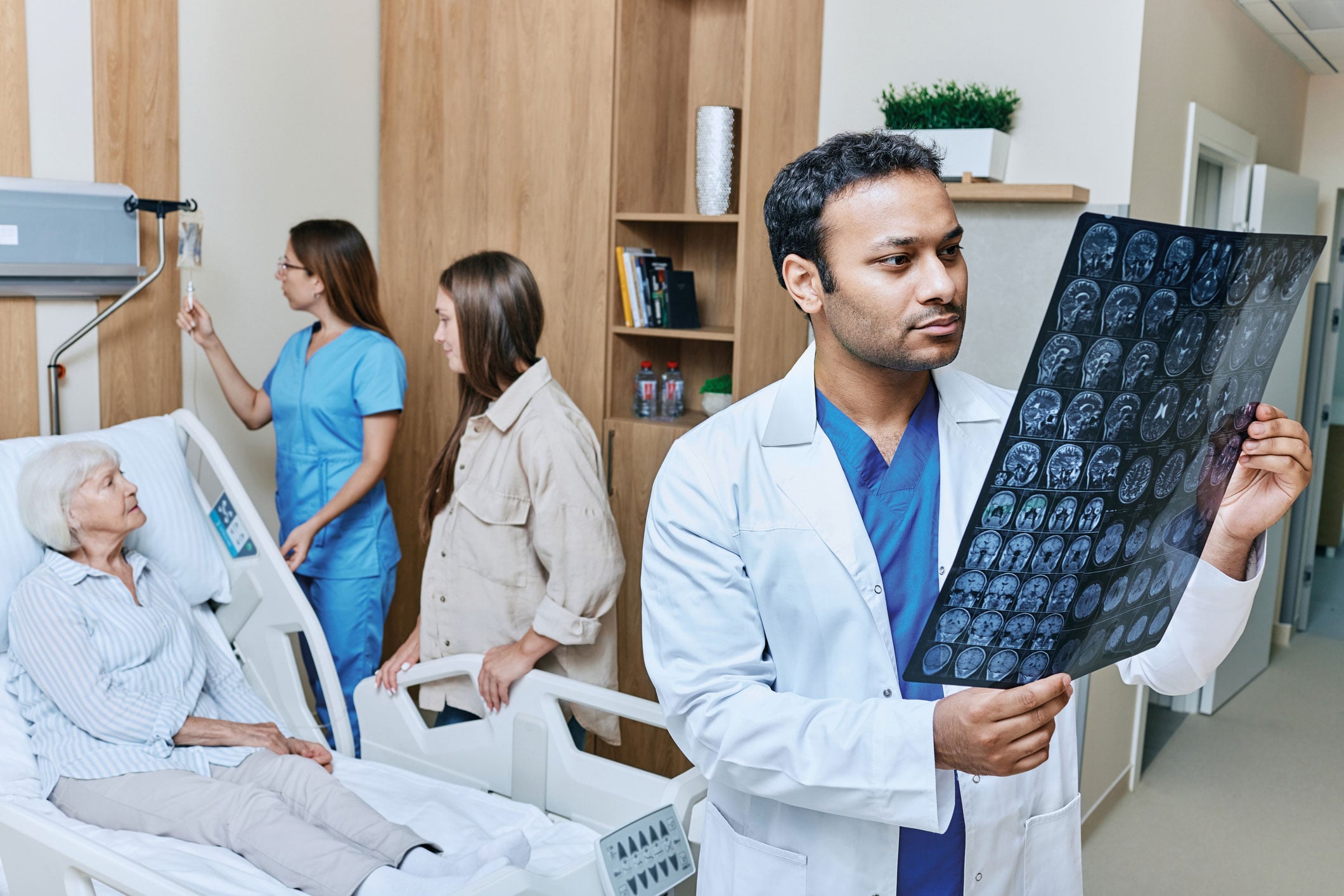
Contemporary Parkinson’s therapy is multidisciplinary and is based on the individual needs of the patient. The experts at the dgp-Congress agreed. Increasing understanding of disease progression will enable personalized treatment, which should not be delayed until late in the course of disease.

Parkinson’s disease is one of the most common neurodegenerative movement disorders. More than 15,000 people are affected in Switzerland – and the number is rising. Particularly in socioeconomically well-off countries, the incidence of Parkinson’s disease continues to increase. By 2030, the number of Parkinson’s patients worldwide is expected to double. The disease leads to decreased activity, often job abandonment, and severe disability. Modern decoding methods have made it possible to further detect the molecular mechanisms of disease development. Neurorestorative effects of physical training have been observed in animal models. It is also known that physical activity already reduces the risk of developing Parkinson’s disease, and there is a dose-response relationship between activity and Parkinson’s risk. For example, it has been shown that, compared to conventional physiotherapy, specialized physiotherapy for patients with Parkinson’s disease leads to fewer complications, greater mobility and also a higher quality of life. The armamentarium in treatment management has been effectively expanded over the years. A comprehensive therapy regime is now multidisciplinary and tailored to the individual needs of the patient. But the end of the line is still a long way off.

Focusing on the future with the 2030 Agenda

Agenda 2030 was therefore launched to further advance the development of new therapies. The main focus will be on further research into the disease in order to ultimately enable medical progress towards causal therapy. What has been recognized so far is that Parkinson’s patients are very different. Different genetic factors, such as the Parkin, GBA, or LRKK2 genes associated with PD, contribute to different disease courses. In addition, multiple risk factors influence the disease. Neurogenetic studies will help to detect further molecular signaling pathways and to identify corresponding new targets for personalized therapy. The experts are convinced that new technologies, biomarkers, genetic stratification and molecular approaches will help to further optimize the therapeutic landscape in the coming years.

Optimized care over the entire course of the disease

Until that point is reached and Parkinson’s can already be attacked at its causes, a multiprofessional treatment should combine various methods in an interdisciplinary manner – and ideally throughout the entire course of the disease. In contrast to 2010, when only 11% of Parkinson’s patients received multidisciplinary care, the percentage already rose to 21% in 2016. However, a recent meta-analysis shows that there is still no uniform standard here. Both the composition of the multidisciplinary teams and the conceptual approaches are still very different. Therefore, the experts plead for better communication as well as promotion of the qualification of nursing staff and other professional groups.

Therapy management is assembled, implemented and monitored by a team of physicians, specialized nursing staff, Parkinson’s nurses and therapists. The individual treatment plan, which aims to improve quality of life as well as maintain independence, may include a combination of occupational therapy, physical therapy, speech therapy, neuropsychology, as well as drug intervention. To compensate for the lack of dopamine in the brain, two groups of drugs are predominantly used in the early stages of the disease. Levodopa is converted to dopamine in the brain, and dopamine agonists help receptors absorb dopamine. Which preparation is used depends not only on the stage of the disease, the symptoms, age and activity, but also on the efficacy and tolerability of the drug. While levodopa is well tolerated, especially for the elderly, dopamine agonists can delay the onset of movement disorders.

However, as Parkinson’s progresses, the drug effect diminishes in many sufferers. Then other drugs such as NMDA antagonists, anticholinergics, COMT inhibitors or MAO-B inhibitors can be combined. NMDA antagonists and anticholinergics affect the neurotransmitters downstream of dopamine, while COMT inhibitors and MAO-B inhibitors delay the breakdown of levodopa and dopamine, respectively, in the body. Monoaminooxidase (MAO)-B, for example, ensures that the neurotransmitter is rapidly metabolized after a dopamine release. By inhibiting its activity, the half-life of dopamine in the brain is prolonged – thus increasing the effect of levodopa. In a dual mechanism of action, in addition to the selective, reversible inhibition of MAO-B, the increased glutamate release in PD is also regulated. The goal is to achieve balanced and long-lasting control of motor symptoms.


Congress: German Congress for Parkinson and Movement Disorders


InFo NEUROLOGY & PSYCHIATRY 2021; 19(2): 32.

Autoren
  • Leoni Burggraf
Publikation
  • InFo NEUROLOGIE & PSYCHIATRIE
Related Topics
  • Levodopa
  • Parkinson's
  • Parkinson's disease
Previous Article
  • Adjuvant melanoma treatment

Interim analysis of “real world” data from the DACH region

  • Congress Reports
  • Dermatology and venereology
  • Oncology
  • RX
  • Studies
View Post
Next Article
  • Multiple Myeloma

Focus on first-line therapy

  • Congress Reports
  • Hematology
  • Oncology
  • RX
View Post
You May Also Like
View Post
  • 6 min
  • Findings from research on the generalization of exposure therapy

Treatment of comorbid anxiety

    • Education
    • Psychiatry and psychotherapy
    • RX
    • Studies
asthma_winter_istock-887318372
View Post
  • 4 min
  • Symptom-free despite asthma?

Asthma treatment requirements have increased

    • Congress Reports
    • General Internal Medicine
    • Pharmacology and toxicology
    • Pneumology
    • RX
View Post
  • 9 min
  • Phytotherapy for rhinosinusitis

Evidence, active substances and clinical classification for medical practice

    • Education
    • General Internal Medicine
    • Infectiology
    • ORL
    • Pharmaceutical medicine
    • Phytotherapy
    • RX
    • Studies
View Post
  • 10 min
  • Contact eczema

Causes and prevention at work

    • Allergology and clinical immunology
    • CME continuing education
    • Dermatology and venereology
    • Prevention and health care
    • RX
View Post
  • 15 min
  • Pulmonary hypertension

PH and lung diseases

    • Cardiology
    • CME continuing education
    • Pneumology
    • RX
    • Studies
View Post
  • 6 min
  • Respiratory infections: viral bronchitis or bacterial pneumonia?

Old crucial question in the light of current findings

    • Congress Reports
    • General Internal Medicine
    • Infectiology
    • Pharmaceutical medicine
    • Pharmacology and toxicology
    • Phytotherapy
    • Pneumology
    • RX
View Post
  • 6 min
  • What biomarkers reveal about "biological youth" - and what not (yet)

Epigenetic ageing

    • Education
    • Genetics
    • Geriatrics
    • Prevention and health care
    • RX
    • Studies
View Post
  • 4 min
  • Amyotrophic lateral sclerosis and nutrition

Calorie optimization in ALS through digital intervention

    • Education
    • Neurology
    • Nutrition
    • RX
    • Studies
  • IBD matters

    Zum Thema
Top CME content
  • 1
    Can you swallow intelligence? Relevant substance classes times for healthy people
  • 2
    PH and lung diseases
  • 3
    Causes and prevention at work
  • 4
    Clinical care from birth to adulthood
  • 5
    Aligning care with the patient

Newsletter

Sign up and stay up to date

Subscribe
Medizinonline Medizinonline
  • Contact
  • General terms and conditions
  • Imprint

Input your search keywords and press Enter.