Medizinonline Medizinonline
  • News
    • News
    • Market & Medicine
  • Patients
    • Disease patterns
    • Diagnostics
    • Therapy
  • Partner Content
    • Dermatology
      • Atopic dermatitis and psoriasis news
    • Diabetes
      • Dia-Month Club – Type 2 Diabetes
      • Diabetes in Motion
      • Diabetes Podcasts
    • Gastroenterology
      • IBD matters
    • Oncology
      • Swiss Oncology in motion
    • Orthopedics
      • Osteoporosis in motion
  • Departments
    • Allergology and clinical immunology
    • General Internal Medicine
    • Anesthesiology
    • Angiology
    • Surgery
    • Dermatology and venereology
    • Endocrinology and Diabetology
    • Nutrition
    • Gastroenterology and Hepatology
    • Genetics
    • Geriatrics
    • Gynecology
    • Hematology
    • Infectiology
    • Cardiology
    • Nephrology
    • Neurology
    • Emergency and intensive care medicine
    • Nuclear Medicine
    • Oncology
    • Ophthalmology
    • ORL
    • Orthopedics
    • Pediatrics
    • Pharmacology and toxicology
    • Pharmaceutical medicine
    • Phlebology
    • Physical medicine and rehabilitation
    • Pneumology
    • Prevention and health care
    • Psychiatry and psychotherapy
    • Radiology
    • Forensic Medicine
    • Rheumatology
    • Sports Medicine
    • Traumatology and trauma surgery
    • Tropical and travel medicine
    • Urology
    • Dentistry
  • CME & Congresses
    • CME continuing education
    • Congress Reports
    • Congress calendar
  • Practice
    • Noctimed
    • Practice Management
    • Jobs
    • Interviews
  • Log In
  • Register
  • My account
  • Contact
  • Publications
  • Contact
  • Deutsch
  • English
  • Français
  • Italiano
  • Português
  • Español
Subscribe
Medizinonline Medizinonline
  • News
    • News
    • Market & Medicine
  • Patienten
    • Krankheitsbilder
    • Diagnostik
    • Therapie
  • Partner Content
    • Dermatology
      • Atopic dermatitis and psoriasis news
    • Diabetes
      • Dia-Month Club – Type 2 Diabetes
      • Diabetes in Motion
      • Diabetes Podcasts
    • Gastroenterology
      • IBD matters
    • Oncology
      • Swiss Oncology in motion
    • Orthopedics
      • Osteoporosis in motion
    • Phytotherapie
    • Rheumatology
  • Departments
    • Fachbereiche 1-13
      • Allergology and clinical immunology
      • General Internal Medicine
      • Anesthesiology
      • Angiology
      • Surgery
      • Dermatology and venereology
      • Endocrinology and Diabetology
      • Nutrition
      • Gastroenterology and Hepatology
      • Genetics
      • Geriatrics
      • Gynecology
      • Hematology
    • Fachbereiche 14-26
      • Infectiology
      • Cardiology
      • Nephrology
      • Neurology
      • Emergency and intensive care medicine
      • Nuclear Medicine
      • Oncology
      • Ophthalmology
      • ORL
      • Orthopedics
      • Pediatrics
      • Pharmacology and toxicology
      • Pharmaceutical medicine
    • Fachbereiche 26-38
      • Phlebology
      • Physical medicine and rehabilitation
      • Phytotherapy
      • Pneumology
      • Prevention and health care
      • Psychiatry and psychotherapy
      • Radiology
      • Forensic Medicine
      • Rheumatology
      • Sports Medicine
      • Traumatology and trauma surgery
      • Tropical and travel medicine
      • Urology
      • Dentistry
  • CME & Congresses
    • CME continuing education
    • Congress Reports
    • Congress calendar
  • Practice
    • Noctimed
    • Practice Management
    • Jobs
    • Interviews
Login

Sie haben noch keinen Account? Registrieren

  • Iron deficiency

Effective management of a cardio-renal patient.

    • Cardiology
    • Congress Reports
    • Hematology
    • Nephrology
    • RX
  • 2 minute read

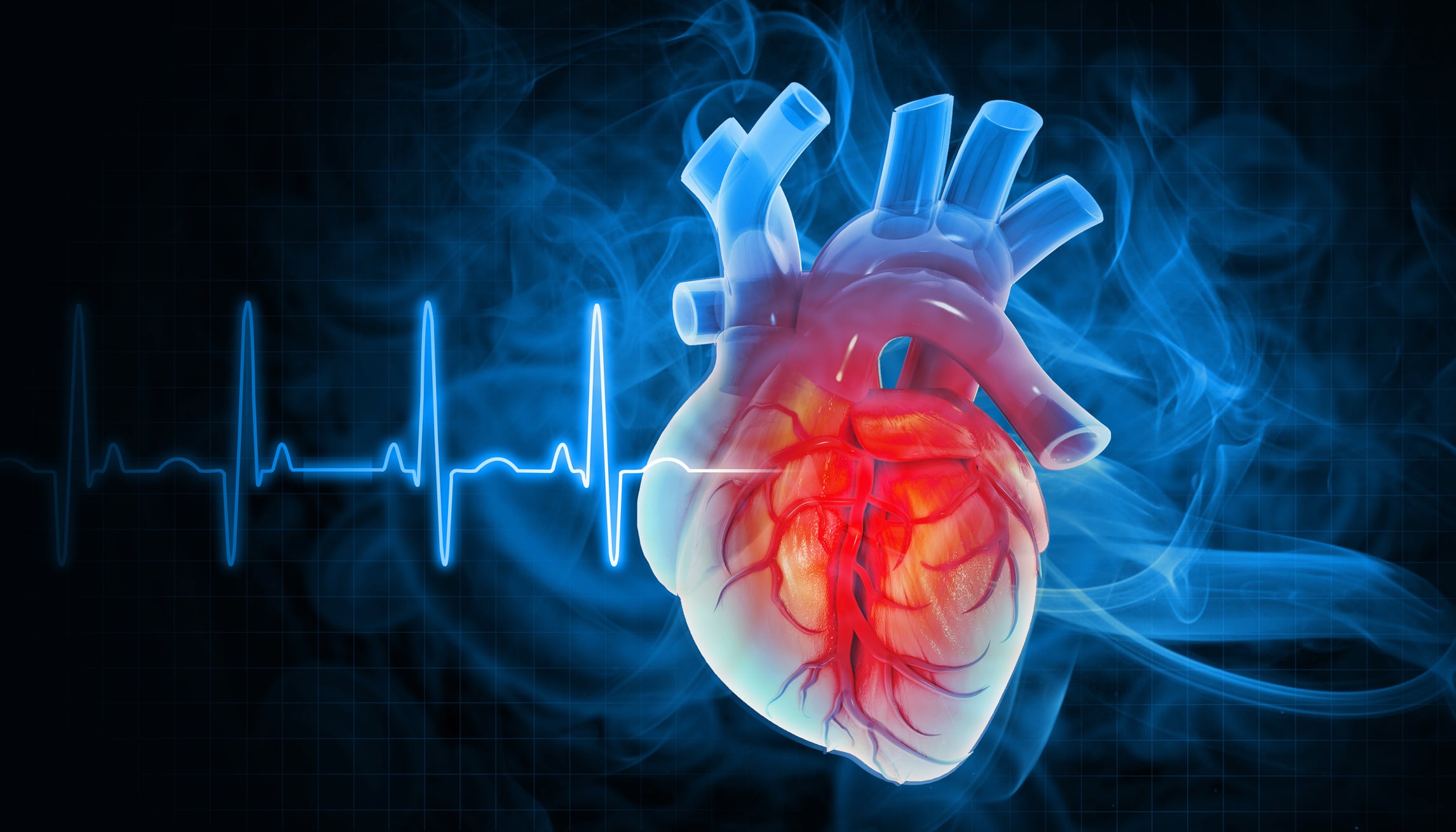
Heart failure often does not come alone. One third of the patients also suffer from renal insufficiency. A major challenge here is the iron deficiency that often occurs. Interdisciplinary management is required here. 

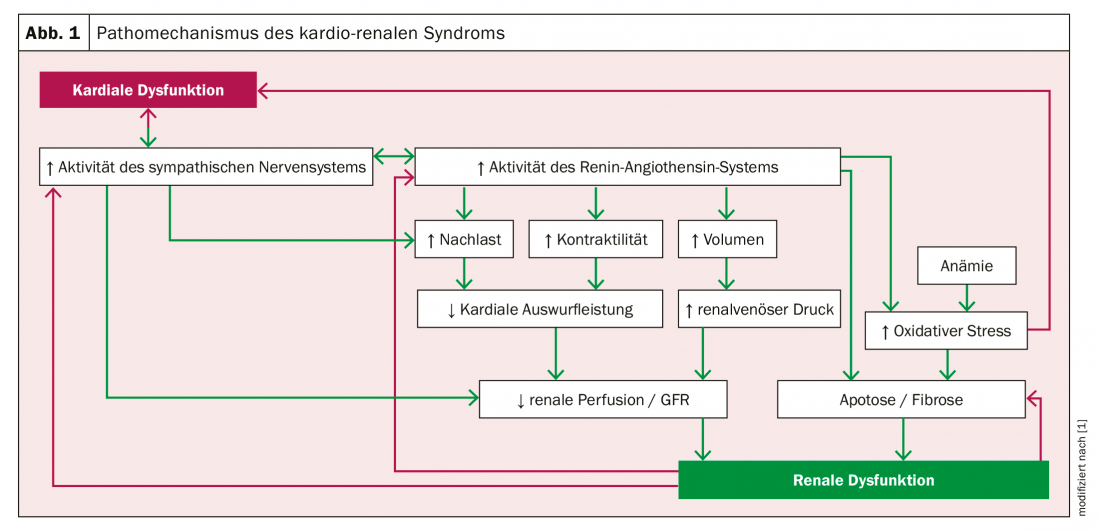
Heart failure remains the fastest growing cardiovascular disease in Western industrialized countries. The prevalence among those over 45 years of age is already two percent. Despite major advances in the treatment of this disease, the prognosis has not yet improved significantly. This is partly due to one of the most common and progressive complications – renal failure. There is a close interaction between the two organs, so that the severity of renal insufficiency fluctuates with the severity of the patient’s clinical condition (Fig. 1).


Cardio-renal patients therefore require comprehensive, interdisciplinary care to manage additional comorbidities and therapy-associated complications. The therapeutic goals in the treatment of acute heart failure are rapid stabilization of hemodynamics and symptom improvement and improvement of respiratory status. Diuretics, vasodilators, and positive inotropic agents are the focus of therapy along with general and supportive measures. By stabilizing and improving cardiac function, glomerular pressures should be improved. The therapy of acute kidney injury is based on the respective stage. In principle, the prevention or treatment of volume overload by controlled volume reduction is of central importance.

Challenge iron deficiency

One of the biggest challenges, however, is the common iron deficiency.  This is also closely associated with increased mortality in the cardio-renal patient and additionally with decreased exercise capacity. Iron is not only needed for oxygen transport, but also for cellular energy production and as an essential component in numerous enzymatic metabolic processes.

European heart failure guidelines recommend i.v. therapy with ferric carboxymaltose in symptomatic patients. According to studies, this iron supplementation leads to a significant improvement in terms of heart failure-related symptoms, exercise capacity and quality of life. Recent analysis of a meta-analysis of four controlled trials demonstrated a 41% risk reduction in cardiovascular-related hospital admissions and mortality compared with placebo. Oral iron administration, on the other hand, is often poorly tolerated gastrointestinally and results in lower absorption rates.

Keeping an eye on the RAAS blockade

Drug-induced blockade of the renin-angiotensin-aldosterone system (RAAS) generally shows a positive effect in cardio-renal patients. However, many RAAS inhibitors cause a dangerous increase in serum potassium concentration. Hyperkalemia, in turn, increases the risk of hospitalization and mortality. Nevertheless, to achieve a sufficiently high RAAS inhibition, the non-absorbable, sodium-free potassium exchanger Patiromer should be used. In clinical trials, it showed a favorable benefit-risk profile and rapidly lowered potassium levels when taken daily.


Source: Heart Failure

Literature:

  1. Bock JS, Gottlieb SS: Cardiorenal syndrome: new perspectives. Circulation 2010; 121: 2592-2600.


CARDIOVASC 2019; 18(4): 24 (published 8/23/19, ahead of print).

Publikation
  • CARDIOVASC
Related Topics
  • Cardio-renal syndrome
  • Heart failure
  • Iron deficiency
  • RAAS Blockade
Previous Article
  • Treatment of refractory migraine

What remains to be done

  • Congress Reports
  • General Internal Medicine
  • Neurology
  • RX
View Post
Next Article
  • Type 2 diabetes: SGED recommendations update

Reduction of cardiovascular complications as top priority

  • Cardiology
  • Congress Reports
  • Endocrinology and Diabetology
  • General Internal Medicine
  • Nephrology
  • Partner Content
  • RX
  • Studies
View Post
You May Also Like
View Post
  • 15 min
  • Pulmonary hypertension

PH and lung diseases

    • Cardiology
    • CME continuing education
    • Pneumology
    • RX
    • Studies
View Post
  • 10 min
  • Contact eczema

Causes and prevention at work

    • Allergology and clinical immunology
    • CME continuing education
    • Dermatology and venereology
    • Prevention and health care
    • RX
View Post
  • 6 min
  • Respiratory infections: viral bronchitis or bacterial pneumonia?

Old crucial question in the light of current findings

    • Congress Reports
    • General Internal Medicine
    • Infectiology
    • Pharmaceutical medicine
    • Pharmacology and toxicology
    • Phytotherapy
    • Pneumology
    • RX
View Post
  • 6 min
  • What biomarkers reveal about "biological youth" - and what not (yet)

Epigenetic ageing

    • Education
    • Genetics
    • Geriatrics
    • Prevention and health care
    • RX
    • Studies
View Post
  • 4 min
  • Amyotrophic lateral sclerosis and nutrition

Calorie optimization in ALS through digital intervention

    • Education
    • Neurology
    • Nutrition
    • RX
    • Studies
View Post
  • 14 min
  • "Forgotten axis" between plant substances, gut and systemic health

Microbiome and phytotherapy

    • Education
    • Endocrinology and Diabetology
    • Gastroenterology and Hepatology
    • General Internal Medicine
    • Infectiology
    • Neurology
    • Nutrition
    • Pharmaceutical medicine
    • Phytotherapy
    • RX
    • Studies
View Post
  • 4 min
  • HIV: updated EACS guideline

Individualized approach to sustainable prevention and care

    • Cardiology
    • Education
    • General Internal Medicine
    • Infectiology
    • Prevention and health care
    • RX
    • Studies
View Post
  • 5 min
  • Evidence-based diagnostics and treatment in the medical setting

Anxiety and depression disorders in adolescence

    • Education
    • Pediatrics
    • Pharmacology and toxicology
    • Psychiatry and psychotherapy
    • RX
    • Studies
  • IBD matters

    Zum Thema
Top CME content
  • 1
    Can you swallow intelligence? Relevant substance classes times for healthy people
  • 2
    PH and lung diseases
  • 3
    Causes and prevention at work
  • 4
    Clinical care from birth to adulthood
  • 5
    Aligning care with the patient

Newsletter

Sign up and stay up to date

Subscribe
Medizinonline Medizinonline
  • Contact
  • General terms and conditions
  • Imprint

Input your search keywords and press Enter.