Medizinonline Medizinonline
  • News
    • News
    • Market & Medicine
  • Patients
    • Disease patterns
    • Diagnostics
    • Therapy
  • Partner Content
    • Diabetes
      • Dia-Month Club – Type 2 Diabetes
      • Diabetes in Motion
      • Diabetes Podcasts
    • Gastroenterology
      • IBD matters
    • Oncology
      • Swiss Oncology in motion
    • Orthopedics
      • Osteoporosis in motion
  • Departments
    • Allergology and clinical immunology
    • General Internal Medicine
    • Anesthesiology
    • Angiology
    • Surgery
    • Dermatology and venereology
    • Endocrinology and Diabetology
    • Nutrition
    • Gastroenterology and Hepatology
    • Genetics
    • Geriatrics
    • Gynecology
    • Hematology
    • Infectiology
    • Cardiology
    • Nephrology
    • Neurology
    • Emergency and intensive care medicine
    • Nuclear Medicine
    • Oncology
    • Ophthalmology
    • ORL
    • Orthopedics
    • Pediatrics
    • Pharmacology and toxicology
    • Pharmaceutical medicine
    • Phlebology
    • Physical medicine and rehabilitation
    • Pneumology
    • Prevention and health care
    • Psychiatry and psychotherapy
    • Radiology
    • Forensic Medicine
    • Rheumatology
    • Sports Medicine
    • Traumatology and trauma surgery
    • Tropical and travel medicine
    • Urology
    • Dentistry
  • CME & Congresses
    • CME continuing education
    • Congress Reports
    • Congress calendar
  • Practice
    • Noctimed
    • Practice Management
    • Jobs
    • Interviews
  • Log In
  • Register
  • My account
  • Contact
  • Publications
  • Contact
  • Deutsch
  • English
  • Français
  • Italiano
  • Português
  • Español
Subscribe
Medizinonline Medizinonline
  • News
    • News
    • Market & Medicine
  • Patienten
    • Krankheitsbilder
    • Diagnostik
    • Therapie
  • Partner Content
    • Diabetes
      • Dia-Month Club – Type 2 Diabetes
      • Diabetes in Motion
      • Diabetes Podcasts
    • Gastroenterology
      • IBD matters
    • Oncology
      • Swiss Oncology in motion
    • Orthopedics
      • Osteoporosis in motion
    • Phytotherapie
    • Rheumatology
  • Departments
    • Fachbereiche 1-13
      • Allergology and clinical immunology
      • General Internal Medicine
      • Anesthesiology
      • Angiology
      • Surgery
      • Dermatology and venereology
      • Endocrinology and Diabetology
      • Nutrition
      • Gastroenterology and Hepatology
      • Genetics
      • Geriatrics
      • Gynecology
      • Hematology
    • Fachbereiche 14-26
      • Infectiology
      • Cardiology
      • Nephrology
      • Neurology
      • Emergency and intensive care medicine
      • Nuclear Medicine
      • Oncology
      • Ophthalmology
      • ORL
      • Orthopedics
      • Pediatrics
      • Pharmacology and toxicology
      • Pharmaceutical medicine
    • Fachbereiche 26-38
      • Phlebology
      • Physical medicine and rehabilitation
      • Phytotherapy
      • Pneumology
      • Prevention and health care
      • Psychiatry and psychotherapy
      • Radiology
      • Forensic Medicine
      • Rheumatology
      • Sports Medicine
      • Traumatology and trauma surgery
      • Tropical and travel medicine
      • Urology
      • Dentistry
  • CME & Congresses
    • CME continuing education
    • Congress Reports
    • Congress calendar
  • Practice
    • Noctimed
    • Practice Management
    • Jobs
    • Interviews
Login

Sie haben noch keinen Account? Registrieren

  • Pollen allergy due to hardy alders

Hay fever in winter – does it exist?

    • Allergology and clinical immunology
    • News
    • RX
  • 3 minute read

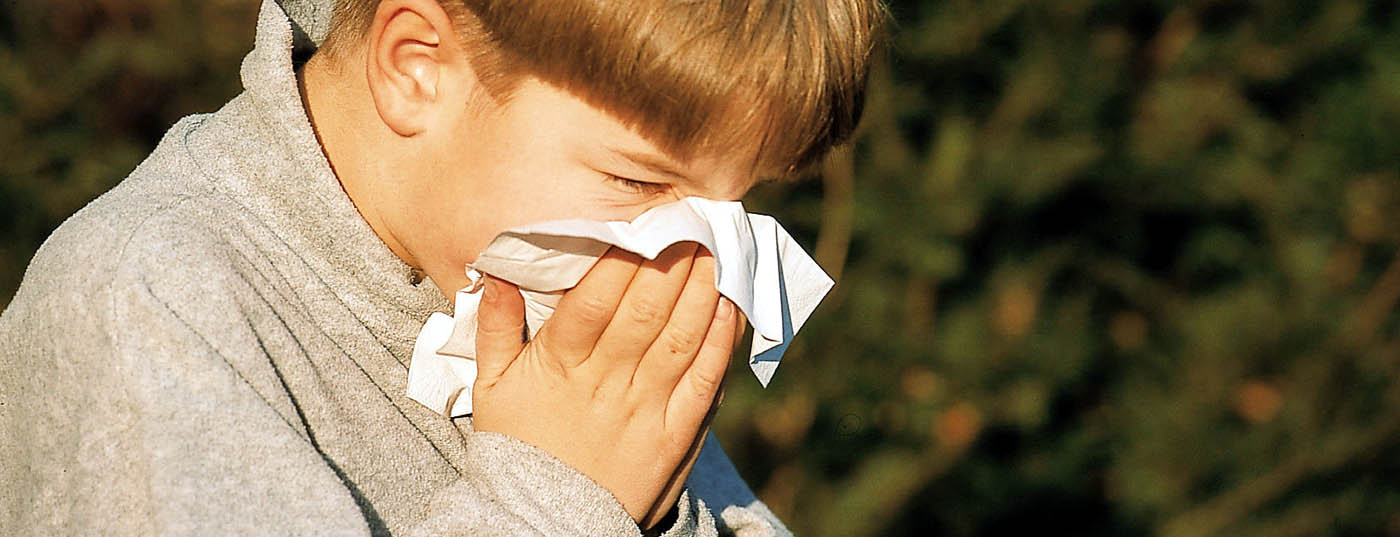
The purple alder adorns our daily cityscape, but the green splendor can also trigger allergies in winter, Swiss researchers have found.

In the gray winter everyday life they are a welcome change – blooming alders in the middle of December in Swiss cities. Not only passers-by, but also urban planners have so far been taken with the large-grown trees, as they are considered to be robust and undemanding. But Swiss researchers have now discovered a characteristic of the purple alder that is damaging the tree’s reputation. The tree seems to trigger allergies and cause winter hay fever.

Interdisciplinary collaboration

In the village of Grabs near Buchs in eastern Switzerland, allergist Markus Gassner, MD, first noticed the phenomenon of “winter hay fever.” Running red noses are nothing unusual in winter, but analysis of his data collected over decades put him on the trail of the purple alder. The reason that the frequency of allergic symptoms increases in December seems to be urban vegetation, as the Swiss research group, consisting of the allergologists Markus Gassner, MD, and Prof. Peter Schmid-Grendelmeier, MD, and the meteorologist Regula Gehrig, MD, suspects.

Decades of data collection

From 1983 to 2007, Dr. Gassner, as school physician of Grabs, tested the sensitivity to pollen of voluntary 15-year-old students and measured IgE antibodies in the blood as well as 103 other molecular allergens. The results of his collected data revealed an alarming development: while in 1986 (n=54) not a single one of the tested school children showed IgE antibodies against alder pollen, in 2006 (n=46) the figure was 10.9%. For other tree pollens such as birch, hazel, or sycamore, this trend of frequency increase could not be observed.

Twelve of the 15-year-olds who had already been tested in 1986 underwent allergological testing again in 2010, then at the age of 39. And here, too, an increasing frequency of sensitivity to alder pollen was shown: in three of the tested subjects (25%), IgE antibodies are detected in the serum at the second examination 24 years later.

Consequently, the study of the Swiss researchers shows on the one hand that more than one in ten of the tested adolescents is allergic to pollen, and on the other hand that the increasing hypersensitivity was only observed with pollen of alder.

Dangerous winter beauty

The municipality of Buchs had nearly 100 new alders planted at the end of the 1990s. However, this is not a native species, but a cross between a Caucasian and Siberian alder, the so-called purple alder. Alnus x spaethii, as it is called in Latin, is accustomed to cold and starts flowering earlier than native species in the comparably mild winter in Switzerland. According to Dr. Gehrig, the planted trees in Buchs produce around 10 tons of pollen per season, as the meteorologist knows from regular measurements. Combined with Dr. Gassner’s medical observations, it can be concluded that the exotic tree is most likely responsible for runny noses in winter. The earlier flowering time of the purple alder extends the allergy season: allergic reactions can occur as early as December, two months before the normal pollen season in Switzerland. Another negative factor of the tree is that the pollen of alder contains more potent allergens than is the case with other trees. This is more likely to cause allergies than other species. Cross-allergies are also more common, as with all early bloomers.

Importance for the general practitioner

Despite the small number of cases in the research, the work of the Swiss arguably has an impact on the daily work of primary care physicians. Allergy is typically manifested by red eyes, runny noses and sneezing attacks. So, while a cold may be the initial diagnosis in winter, a pollen allergy may well be considered as the cause in the future. An additional allergy test  brings clarity and enables adequate treatment.

Source: Gassner M, et al: Hay Fever as a Christmas Gift. N Engl J Med 2013; 368: 393-394.

Autoren
  • Lena Geltenbort
Publikation
  • HAUSARZT PRAXIS
Related Topics
  • Alder
  • Cold
  • Hay fever
  • Pollen allergy
  • Purplelead
  • Winter
  • Winter hay fever
Previous Article
  • Management of anaphylaxis

Therapy in allergic emergency

  • Allergology and clinical immunology
  • Education
  • Emergency and intensive care medicine
  • RX
View Post
Next Article
  • Instrument preparation

The nuts and bolts of practice hygiene

  • News
  • Prevention and health care
  • RX
View Post
You May Also Like
View Post
  • 14 min
  • Heart failure and type 2 diabetes

Oral semaglutide and cardiac decompensation in type 2 diabetes

    • Cardiology
    • Education
    • Endocrinology and Diabetology
    • RX
    • Studies
View Post
  • 7 min
  • Atopic dermatitis as a door opener for an atopic cascade?

AD trajectories: Summary of current findings

    • Allergology and clinical immunology
    • Congress Reports
    • Dermatology and venereology
    • RX
    • Studies
View Post
  • 11 min
  • New evidence on descensus, urinary incontinence and the future of reconstruction

Urogynecology and pelvic floor surgery 2026

    • Education
    • General Internal Medicine
    • Gynecology
    • Physical medicine and rehabilitation
    • RX
    • Studies
    • Surgery
    • Urology
View Post
  • 8 min
  • Proteins in wound healing

Do special amino acids lead to success?

    • CME continuing education
    • Dermatology and venereology
    • Endocrinology and Diabetology
    • Nutrition
    • RX
    • Studies
View Post
  • 5 min
  • Case study

Autosomal recessive polycystic kidney disease: atypical phenotype

    • Cases
    • Education
    • Gastroenterology and Hepatology
    • Genetics
    • Nephrology
    • RX
View Post
  • 12 min
  • Current evidence, risk classes and new counseling options

Hormonal contraception and cardiovascular risk

    • Cardiology
    • Education
    • Gynecology
    • Neurology
    • Pharmacology and toxicology
    • RX
    • Studies
View Post
  • 4 min
  • Acute otitis media: self-limiting course vs. "red flags"

In which cases are antibiotics necessary?

    • Congress Reports
    • General Internal Medicine
    • Infectiology
    • ORL
    • Pediatrics
    • RX
View Post
  • 6 min
  • Prurigo nodularis: evidence-based treatment

Targeted therapy options on the rise

    • Allergology and clinical immunology
    • Dermatology and venereology
    • Education
    • Pharmacology and toxicology
    • RX
    • Studies
  • IBD matters

    Zum Thema
Top CME content
  • 1
    Do special amino acids lead to success?
  • 2
    Current status of PAT
  • 3
    Surgical wound complications
  • 4
    Do special amino acids lead to success?
  • 5
    Functional limb preservation between infection control, vascular medicine and resurfacing

Newsletter

Sign up and stay up to date

Subscribe
Medizinonline Medizinonline
  • Contact
  • General terms and conditions
  • Imprint

Input your search keywords and press Enter.