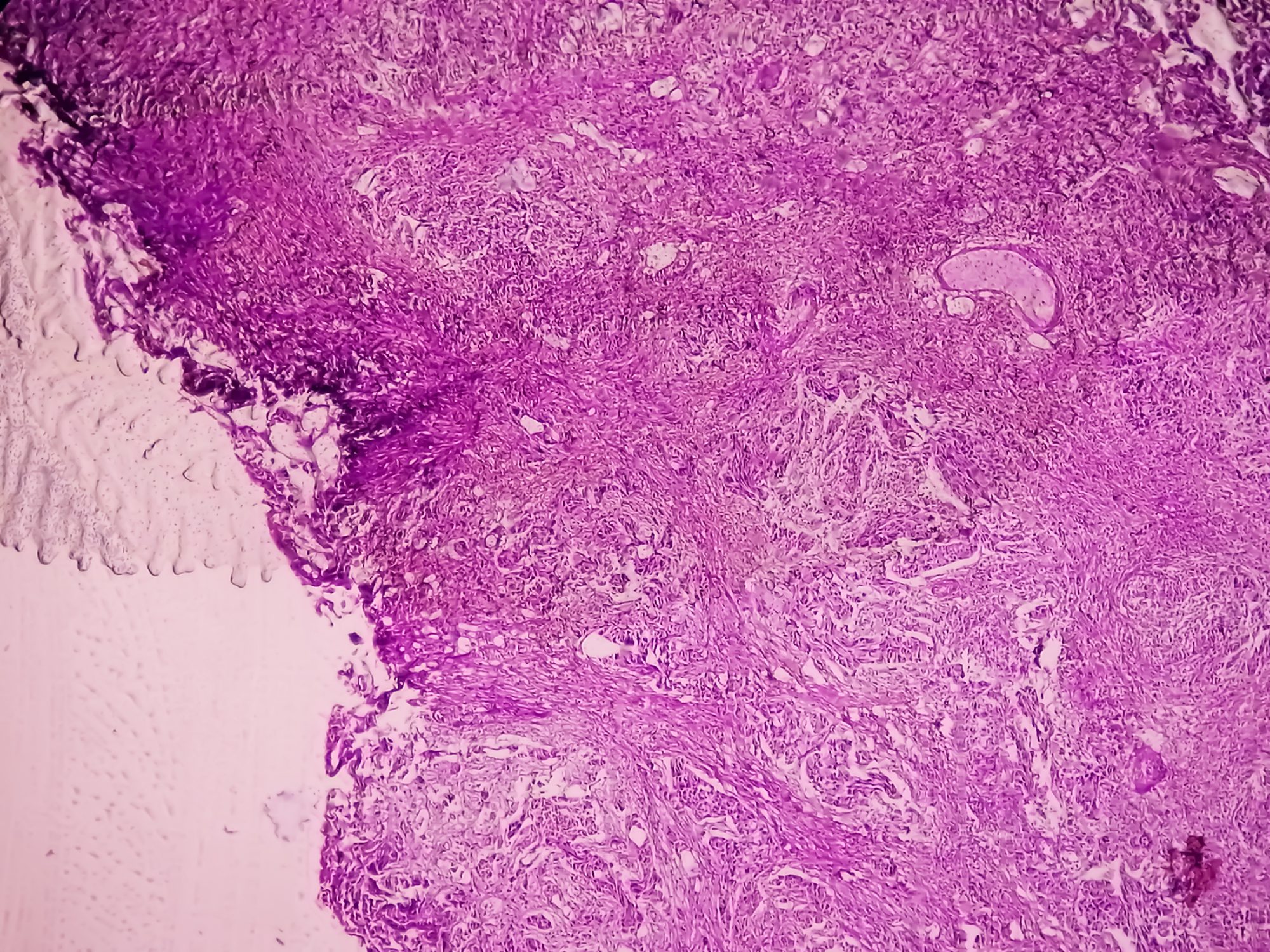
Urothelial carcinoma of the urinary bladder is a prime example of the clinical conflict between therapeutic progress and biological resistance. While superficial tumors can often be successfully resected or controlled with intravesical therapies, metastatic or muscle-invasive tumors are often fatal. One of the greatest challenges: cellular resistance to platinum-based chemotherapeutic agents – especially cisplatin, which is still considered the gold standard in systemic therapy.
Autoren
- Tanja Schliebe
Publikation
- Urologie-Special
- InFo ONKOLOGIE & HÄMATOLOGIE

Related Topics
You May Also Like
- Acute pulmonary embolism: new AHA/ACC guideline
Practical recommendations for risk-stratified triage
- Why lipoprotein(a) is the biggest therapeutic vacuum in cardiology
Lp(a): The underestimated risk factor before the turning point
- Modern system therapeutics for hidradenitis suppurativa
Immunological dysregulation in the sights of several biologics and “small molecules”
- Perimenopausal depression, PMDS and tokophobia
Psychosomatics and mental health in gynecology
- Plastic surgery and reconstructive microsurgery for DFS
Functional limb preservation between infection control, vascular medicine and resurfacing
- Proteins in wound healing
Do special amino acids lead to success?
- Polycystic ovary syndrome 2025/2026
New pathophysiology, updated diagnostics and the age of incretin mimetics
- Heart failure and type 2 diabetes