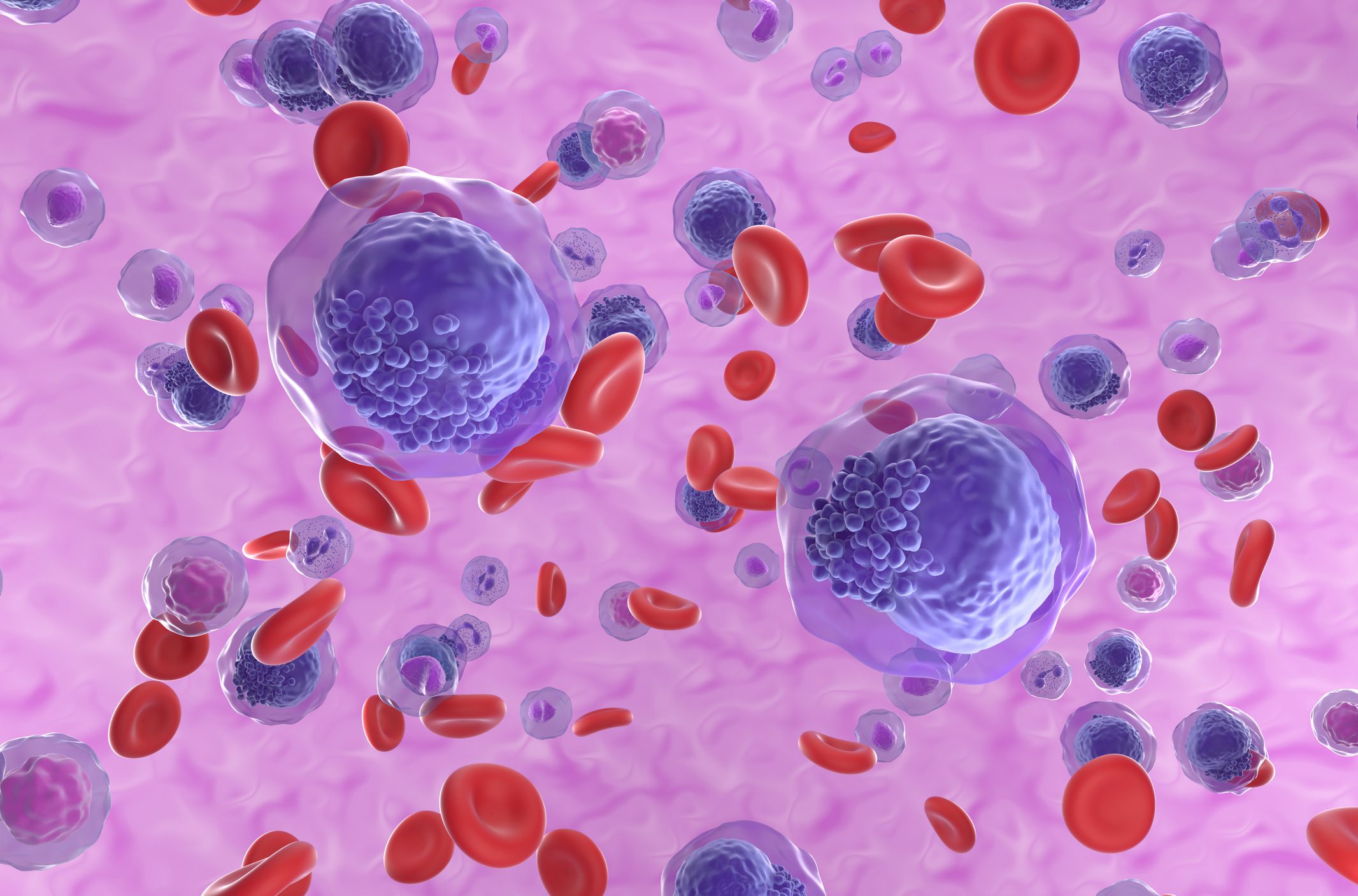
Acute myeloid leukemia (AML) remains one of the greatest challenges in hematology. Despite established chemotherapy protocols, the prognosis for many patients remains unfavorable. In recent years, however, new molecular classifications, refined risk stratification and the use of targeted substances have decisively changed treatment. The current overview summarizes the most important diagnostic, prognostic and therapeutic developments and provides oncologists with an evidence-based foundation for clinical practice in 2025.
Autoren
- Tanja Schliebe
Publikation
- InFo ONKOLOGIE & HÄMATOLOGIE

Related Topics
You May Also Like
- SGLT2 inhibitors and glucocorticoids
Protective effect on kidney function is maintained
- Study report: Nicotinamide for skin cancer prevention
Cohort study analyzed data from over 30,000 patients
- Psychooncology
Communication as the key to therapy adherence
- How do weight loss interventions affect the muscles?
Reflective evaluation: do not neglect qualitative aspects
- From biomarkers to gene therapies
Getting to know ataxias
- Evidence-based therapy for psoriasis in difficult locations
IL-23 inhibition in scalp psoriasis: what’s new?
- Obesity in the family practice
Aim for realistic goals and avoid apportioning blame
- Evidence, pathophysiology and management in the light of current data