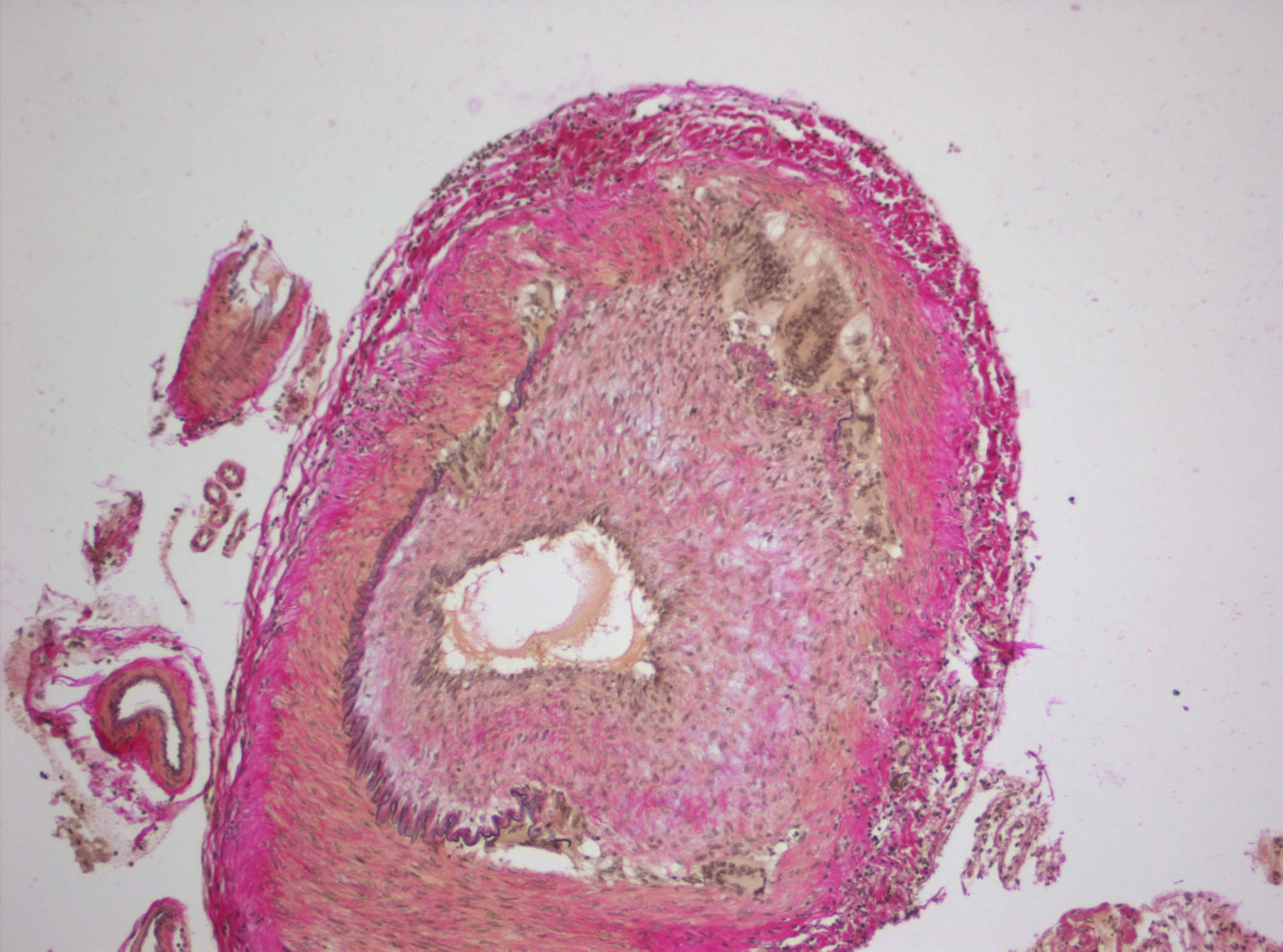
Coronary heart disease remains one of the key challenges in cardiology. However, the way in which it is diagnosed is changing rapidly. Computed tomographic coronary angiography (CCTA), fractional flow reserve from CT (FFR-CT), stress imaging and new biomarkers are merging to create a precise, individualized diagnostic pathway. Artificial intelligence (AI) plays a decisive role in this: it measures plaques, recognizes inflammatory activity and links image patterns with laboratory values. At the same time, apolipoprotein B, lipoprotein(a), proteome and microRNA signatures provide an increasingly accurate picture of biological risk dynamics. This combination of anatomy, function and biology will define a new standard in 2025 – moving away from mere stenosis towards active, measurable atherosclerosis.
Publikation
- CARDIOVASC