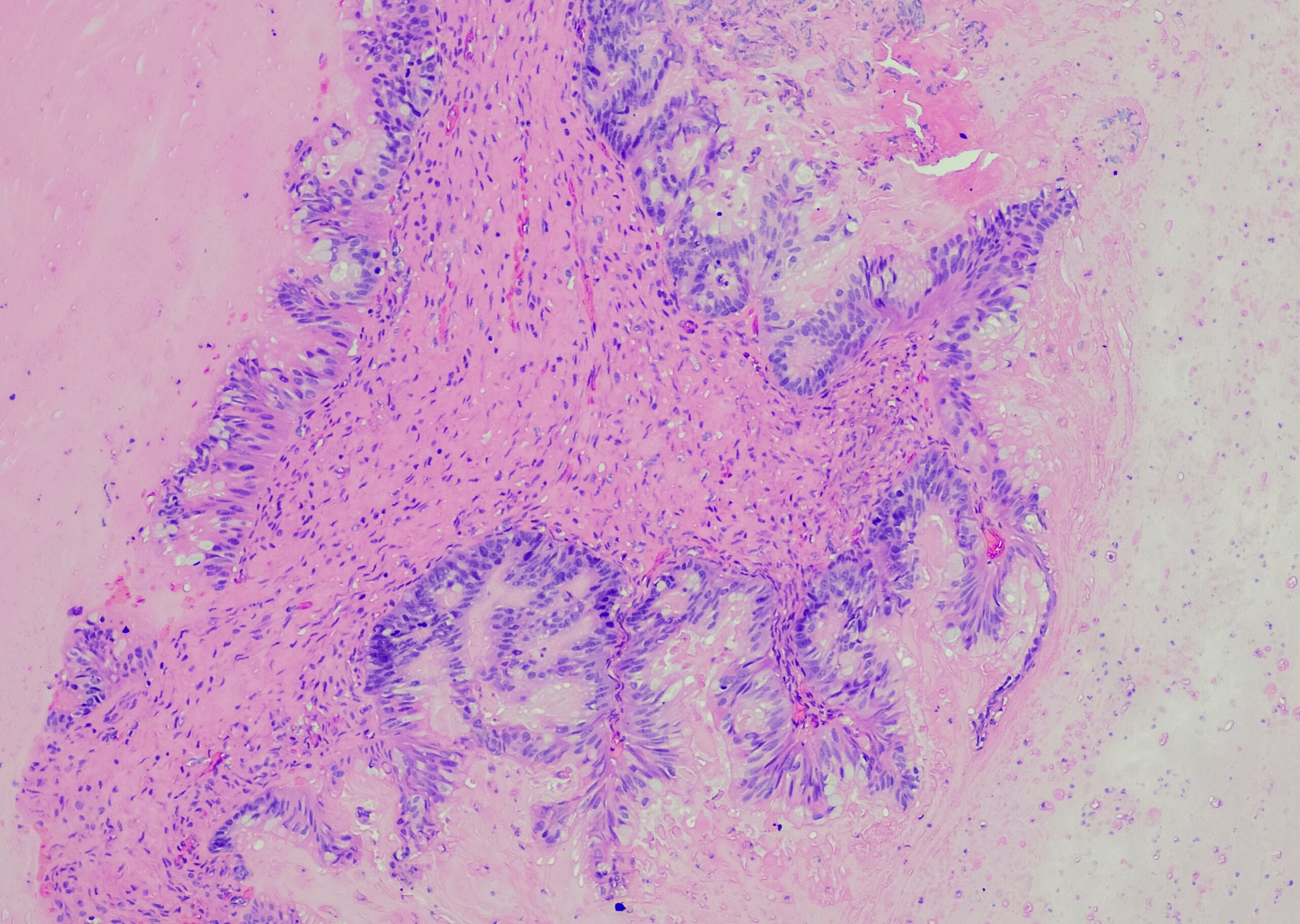
Pancreatic ductal adenocarcinoma (PDAC) is one of the most aggressive tumors of all. The five-year survival rate is still in the single digits. In recent years, however, there has been a paradigm shift: PDAC is no longer seen as a uniform disease, but as an ensemble of different molecular subtypes with clearly distinguishable biology. New genome, transcriptome, proteome, metabolome and immunome analyses are fundamentally changing our understanding of these tumors – and opening up prospects for more precise, individually targeted therapy.
Autoren
- Tanja Schliebe
Publikation
- InFo ONKOLOGIE & HÄMATOLOGIE

Related Topics
You May Also Like
- Pulmonary hypertension
PH and lung diseases
- Contact eczema
Causes and prevention at work
- Respiratory infections: viral bronchitis or bacterial pneumonia?
Old crucial question in the light of current findings
- What biomarkers reveal about "biological youth" - and what not (yet)
Epigenetic ageing
- Amyotrophic lateral sclerosis and nutrition
Calorie optimization in ALS through digital intervention
- "Forgotten axis" between plant substances, gut and systemic health
Microbiome and phytotherapy
- HIV: updated EACS guideline
Individualized approach to sustainable prevention and care
- Evidence-based diagnostics and treatment in the medical setting