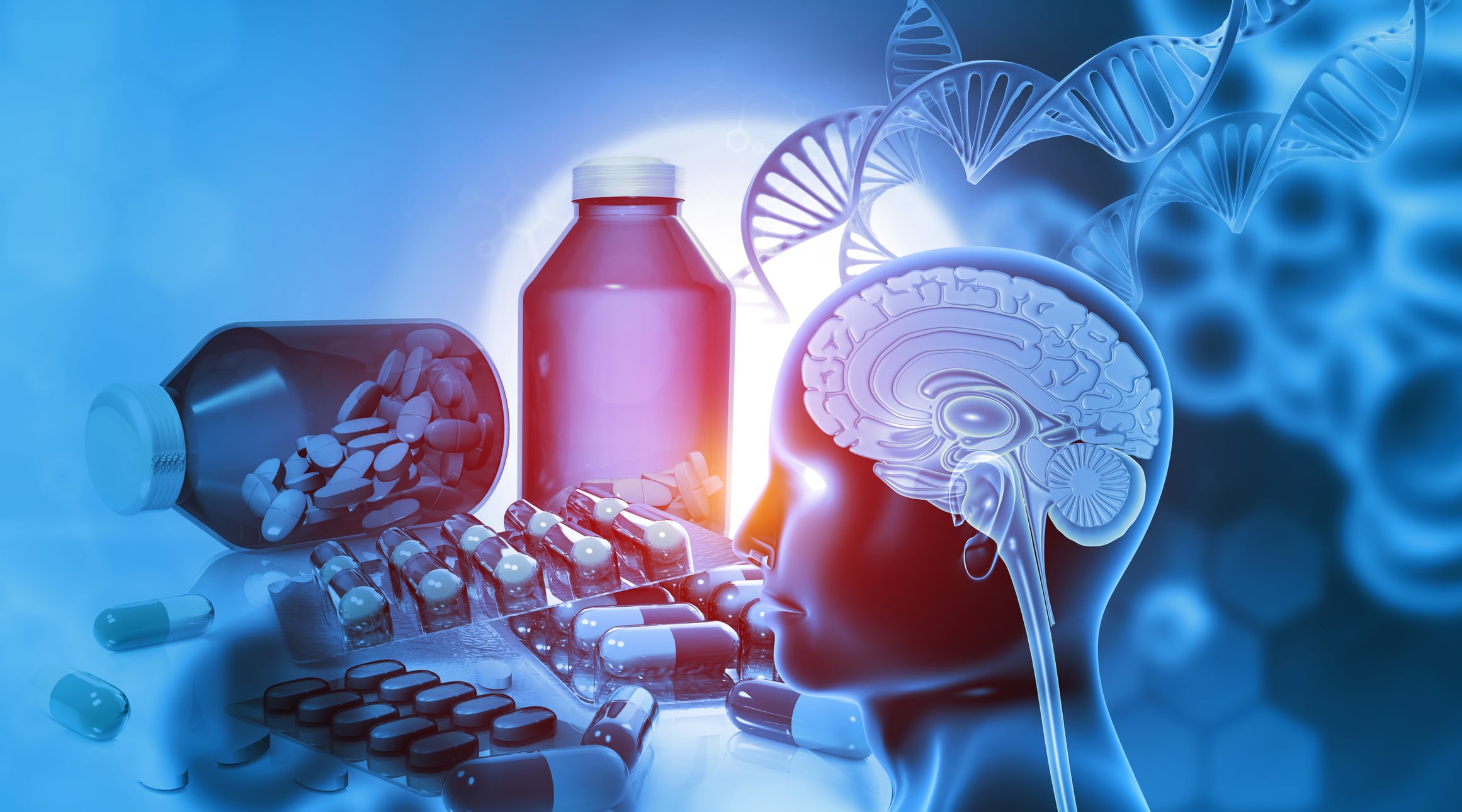
Adherence problems in psychiatry arise due to illness-related restrictions, side effects and psychosocial, economic and cultural burdens. Low insight into the illness, affective instability and cognitive deficits make adherence to treatment even more difficult. Structured, individually tailored treatment, modern pharmacotherapy and participatory decision-making can improve adherence in the long term.
Autoren
- Dr. Ulf Blanke
Publikation
- InFo NEUROLOGIE & PSYCHIATRIE

Related Topics
You May Also Like
- Artificial intelligence
Dr. ChatGPT: Large language models in everyday clinical practice
- GLA:D® program for back pain patients
Fewer consultations and reduction in the use of painkillers
- Nutrition for type 2 diabetes
Not such a great tuber
- From symptom to diagnosis
Abdominal pain – external hernias
- Mechanisms, evidence and therapeutic consequences
GLP-1 receptor agonists in cardiology
- MASLD/MASH
Drug therapy options on the rise: spectacular evidence
- New ways of neuroregeneration
CRISPR and artificial intelligence
- Asbestos victims