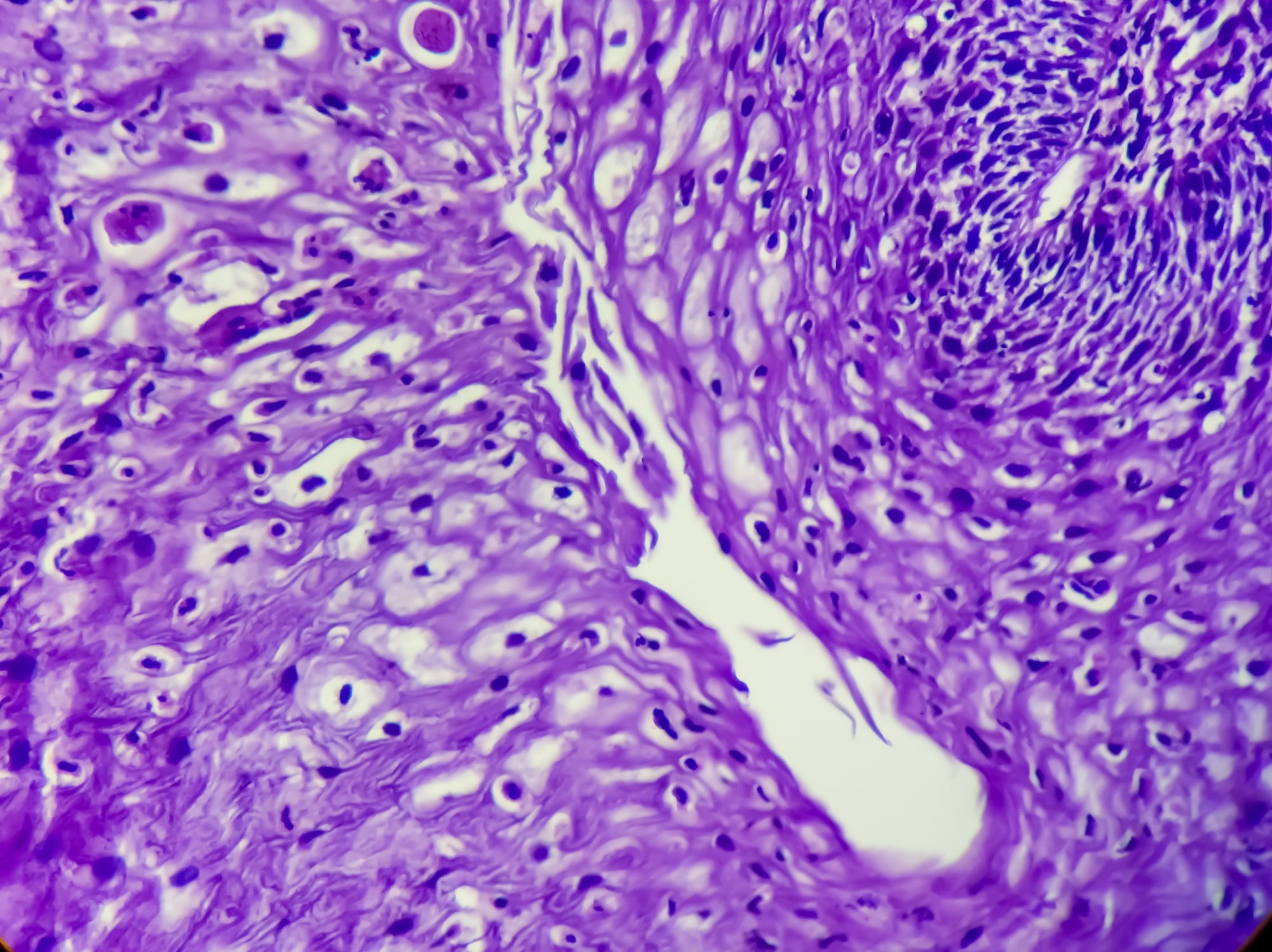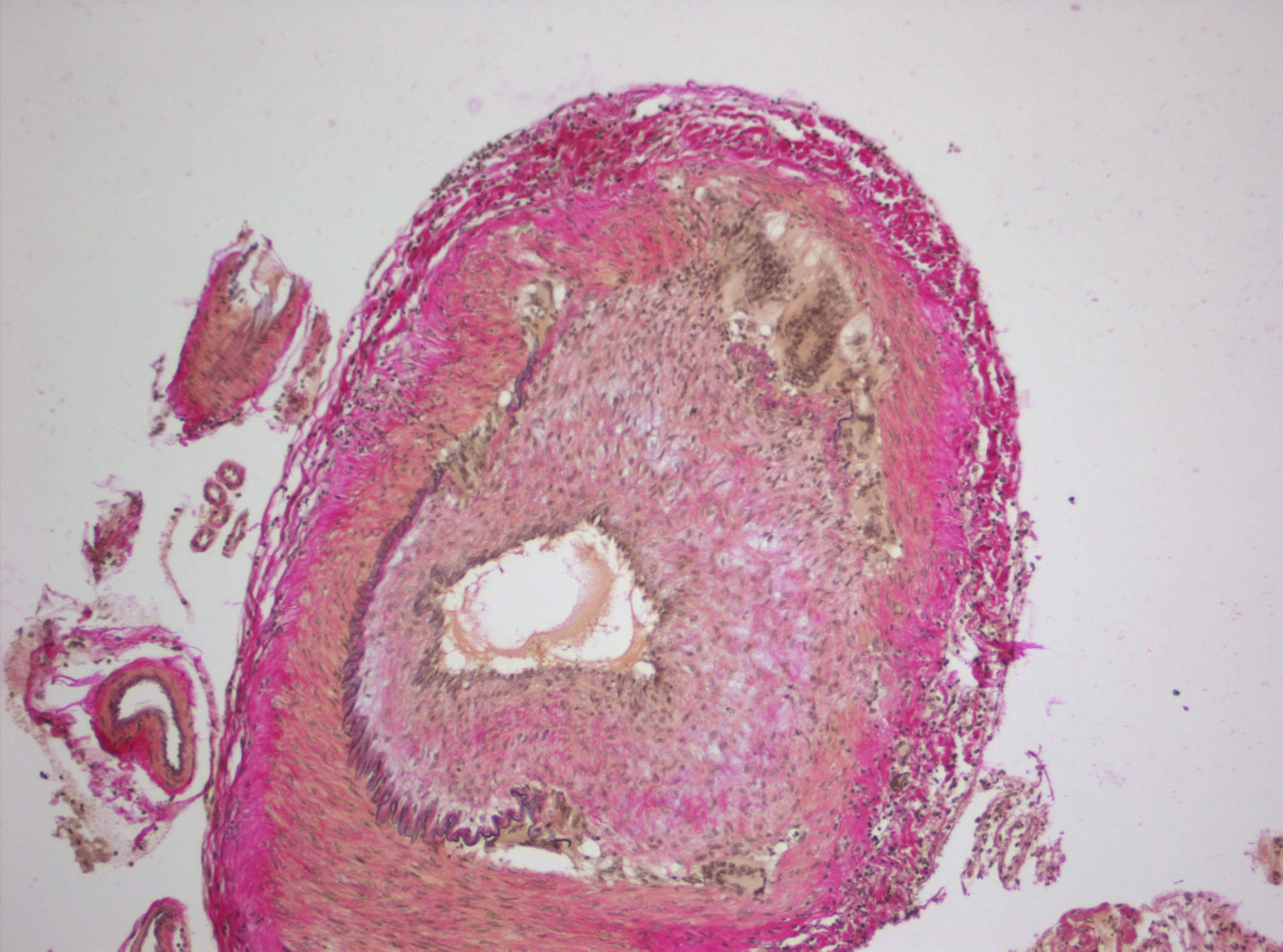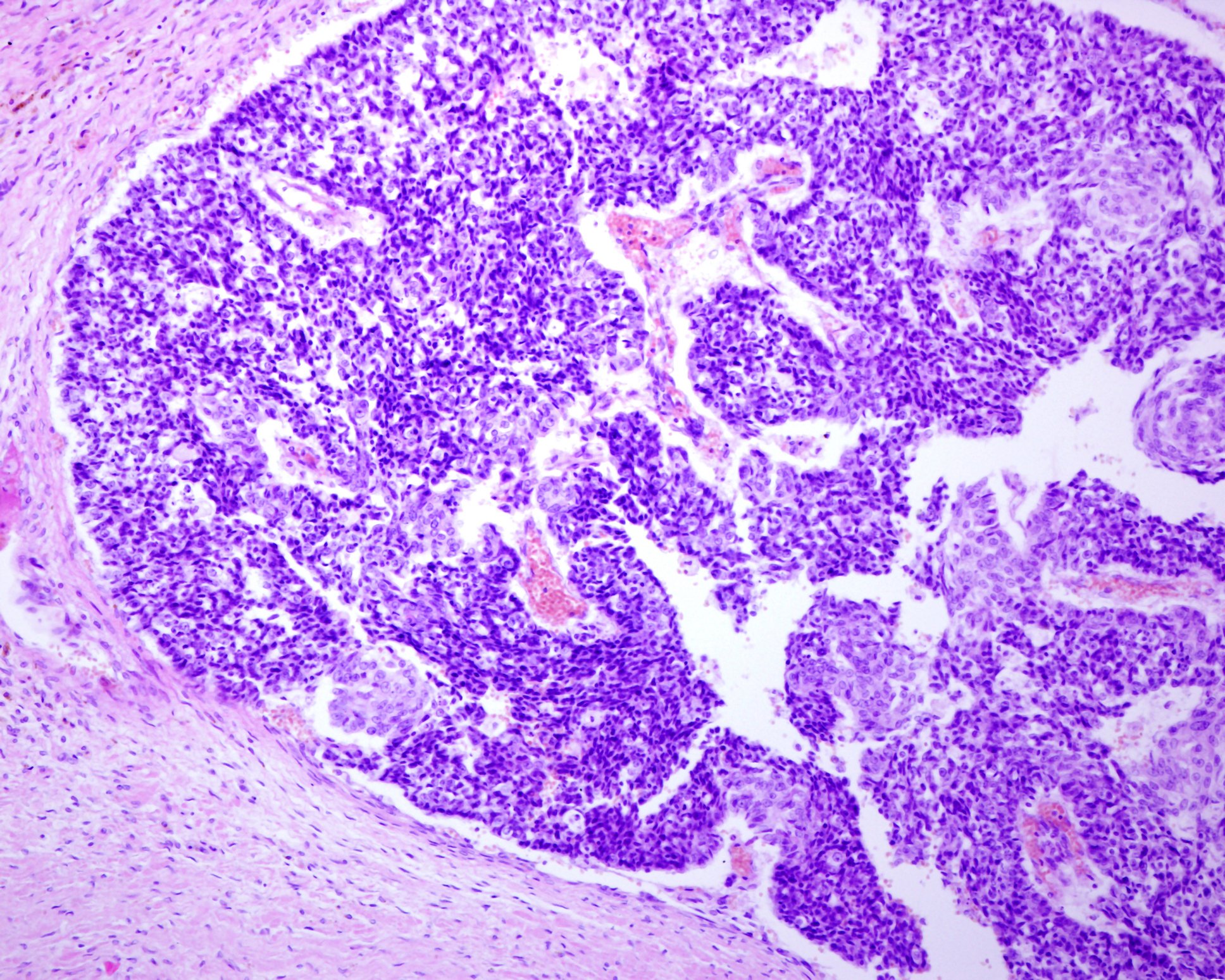
Urothelial carcinoma is an aggressive tumor entity with high morbidity. In recent years, the perioperative treatment spectrum – particularly for muscle-invasive bladder cancer – has expanded significantly: Immune checkpoint inhibitors and antibody-drug conjugates complement classic platinum-based concepts, while parallel bladder- and organ-preserving protocols, biomarker approaches and structured perioperative care programs (geriatric co-management, ERAS) are gaining in importance. In urothelial carcinoma of the upper urinary tract, the risks of loss of kidney function, the question of the optimal timing of systemic therapy and nephron-sparing procedures are taking center stage – flanked by increasing knowledge of molecular characteristics (including FGFR3/HRAS) and genetic risk constellations such as Lynch syndrome.
Publikation
- InFo ONKOLOGIE & HÄMATOLOGIE