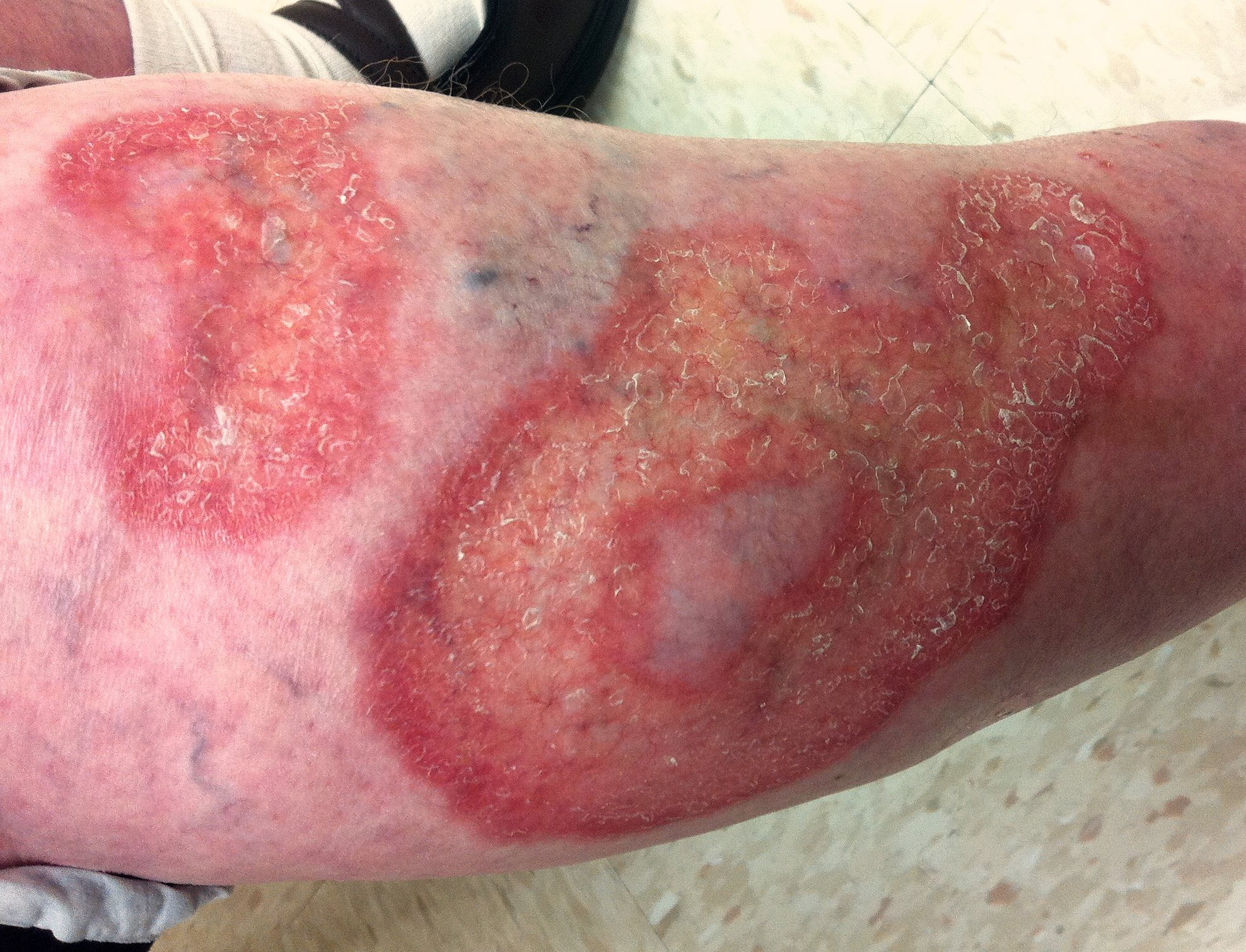
C. difficile infection (CDI) is the most common pathogen-related cause of nosocomial diarrhea, but can also occur in outpatients if risk factors are present. Due to the associated morbidity and mortality risks, there is usually an indication for specific treatment in the case of a diagnosed CDI. The use of oral antibiotics remains the most important measure, although previous antibiotic treatment is the main risk factor for the development of CDI.
Autoren
- Mirjam Peter, M.Sc.
Publikation
- HAUSARZT PRAXIS

Related Topics
You May Also Like
- Tick season: danger from early summer meningoencephalitis
TBE vaccination recommended for adults and children aged 3 and over
- Wound treatment
Surgical wound complications
- Proteins in wound healing
Do special amino acids lead to success?
- Proteins in wound healing
Do special amino acids lead to success?
- Psychedelic-assisted therapy
Current status of PAT
- Hepatitis B prophylaxis
Vaccination protection for healthcare staff with patient contact – an update
- Plastic surgery and reconstructive microsurgery for DFS
Functional limb preservation between infection control, vascular medicine and resurfacing
- Chronic urticaria: new treatment alternatives in sight