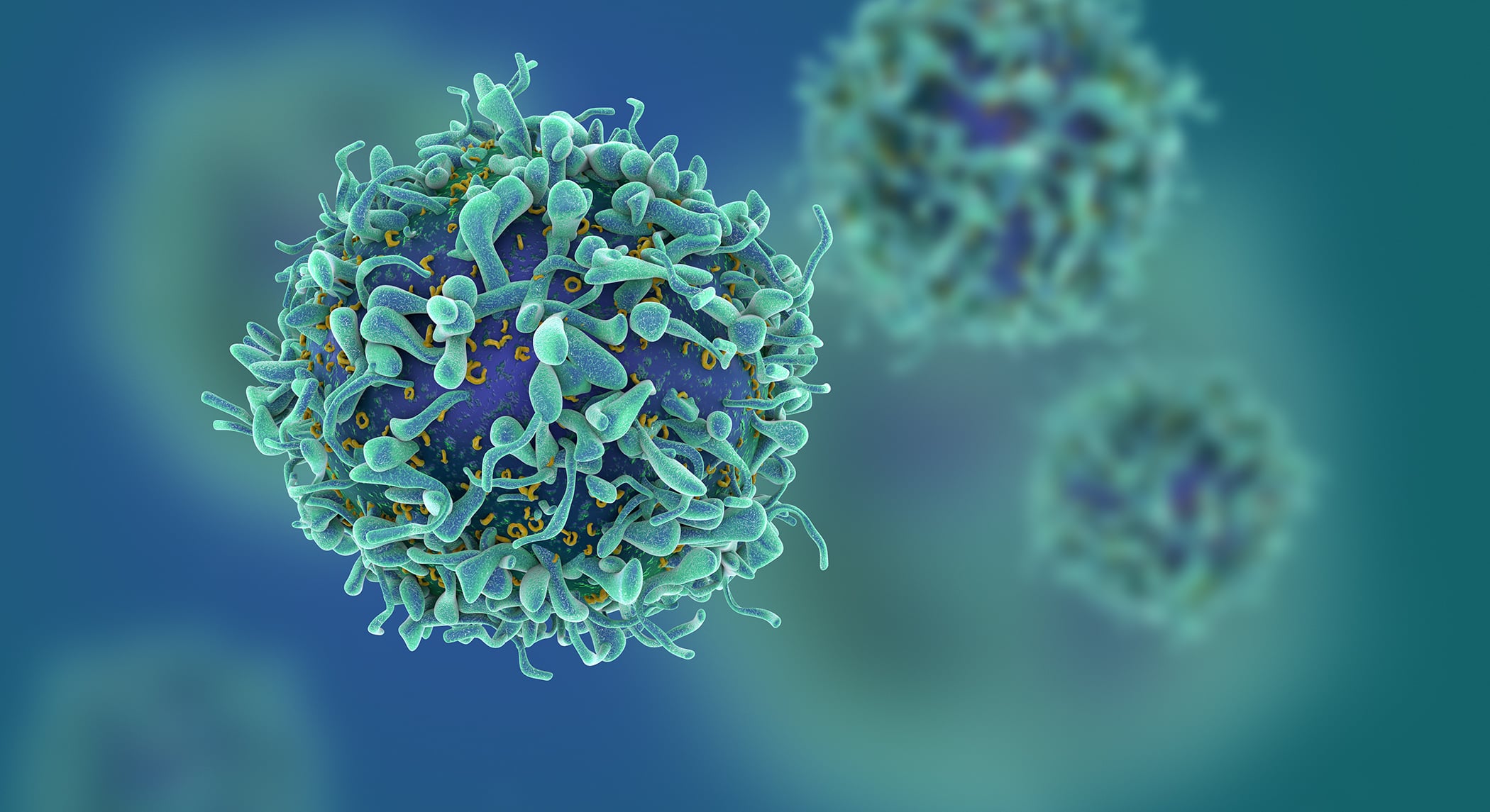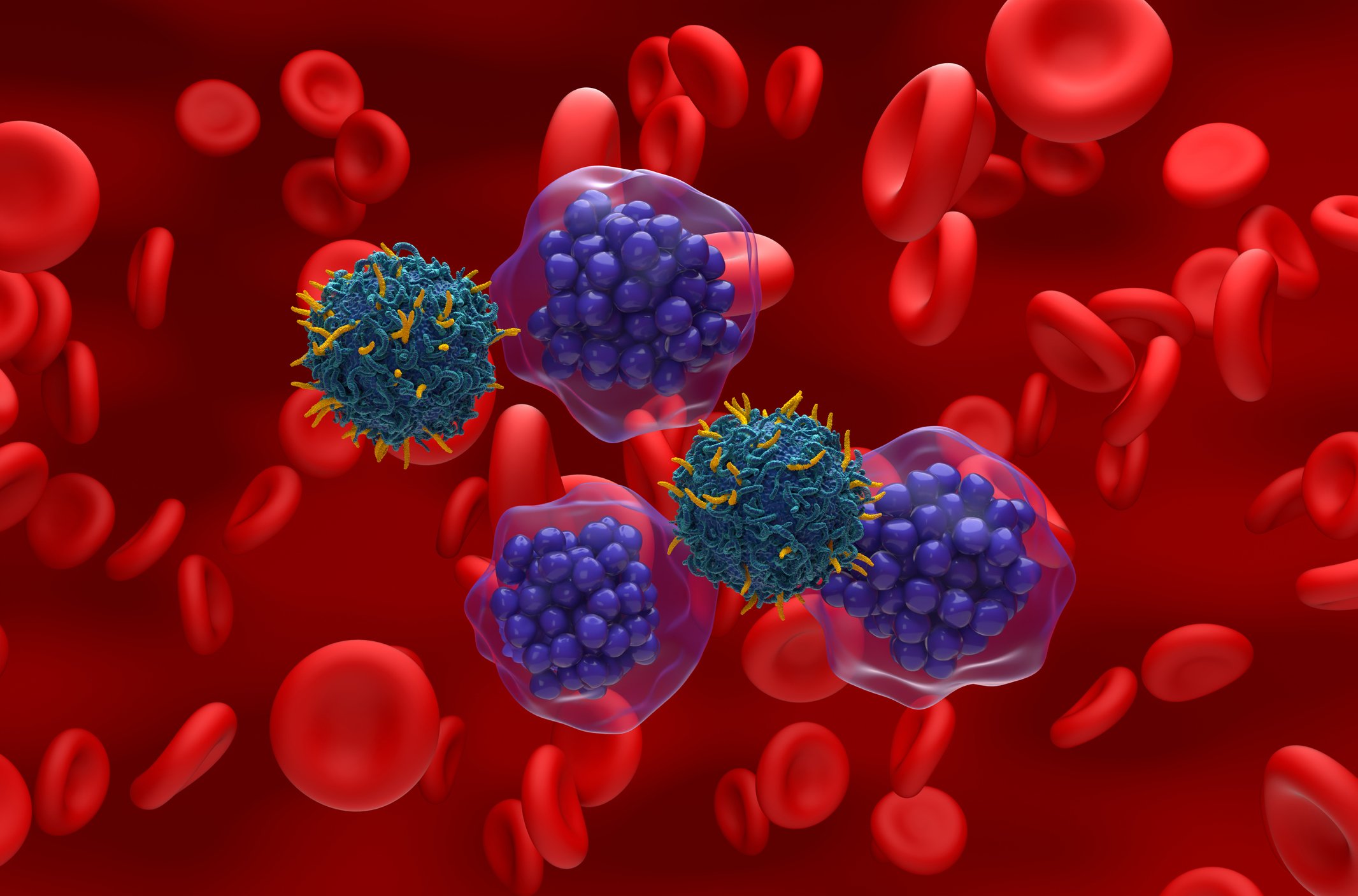
Bispecific antibodies represent an important therapeutic advance in the treatment of aggressive B-cell lymphomas. Through the targeted recruitment of T cells against malignant B cells, they open up new options for patients who no longer respond to established therapies. Their rapid clinical use raises the question of what role they will play in the future standard of care.
Autoren
- Dr. oec. Odile Schwarz-Herion
Publikation
- InFo ONKOLOGIE & HÄMATOLOGIE
Related Topics
- Activation marker (CD69
- Active ingredients & studies
- Artificial immune synapse
- B-cell lymphoma
- B-cell lymphomas
- CAR T-cell therapy
- CD20×CD3 bispecific antibodies
- CRS cytokine release syndrome
- ctDNA-circulating tumor DNA
- Cytokine profile
- Cytokine profiles IL-6 IFN-γ
- Diagnostics & biomarkers
- diffuse large B-cell lymphoma (DLBCL)
- early cytokine increases
- early inflammatory cytokine profile
- Epcoritamab
- Exhaustion marker (PD-1
- follicular lymphoma (FL)
- Glofitamab
- HLA-DR)
- ICANS neurotoxicity
- Mosunetuzumab
- Non-Hodgkin's lymphomas
- Polatuzumab vedotin
- relapsed refractory DLBCL (R/R DLBCL)
- Step-up dosing
- T-cell activation
- T-cell fitness
- T-cell proliferation signatures
- T-cell recruitment
- Therapy
- TIM-3)
- Tumor burden
- Tumor burden biomarker
- tumor-associated factors (CD20 density)
You May Also Like
- Genetic Kidney Disease: DOUBLE PROTECT Alport
The SGLT-2 inhibitor dapagliflozin as an add-on to RAS blockade
- Case Study: Cystic Fibrosis in Adults
Recurrent Pneumonia as a Manifestation of Cystic Fibrosis
- Long COVID/Fatigue Clinic
An Innovative Approach: Neuroplasticity and Predictive Processing
- T-cell lymphomas
Diagnostic Challenges and New Treatment Options
- Interbrain Synchrony
Two Brains, One Thought
- Atopic Dermatitis in Children and Adults
Topically Applied “Small Molecules”: Janus Kinases or PDE-4 as Targets?
- Dermatomyositis
Glucocorticoids for more than one year
- The Brain and the Motivation to Eat