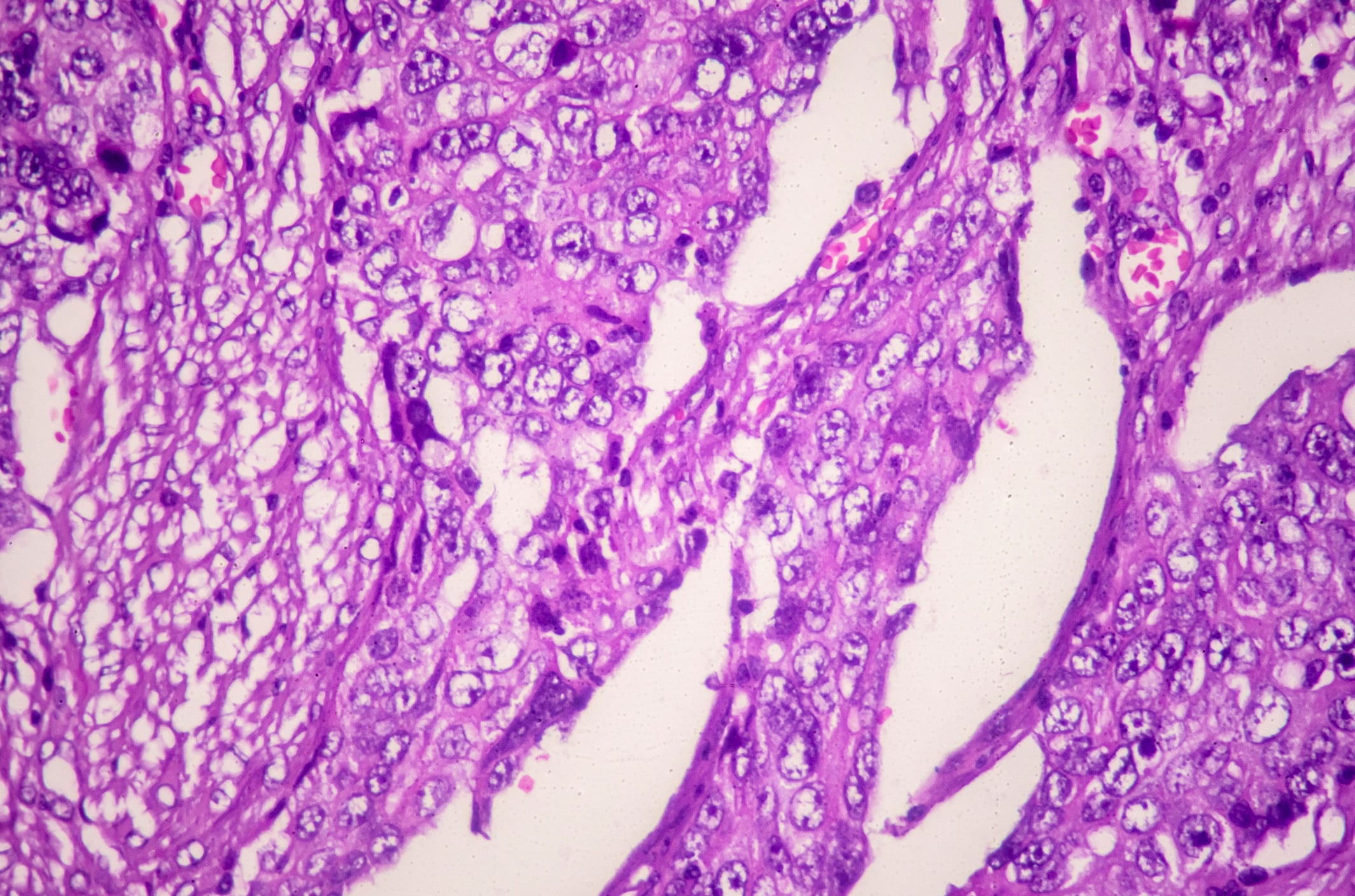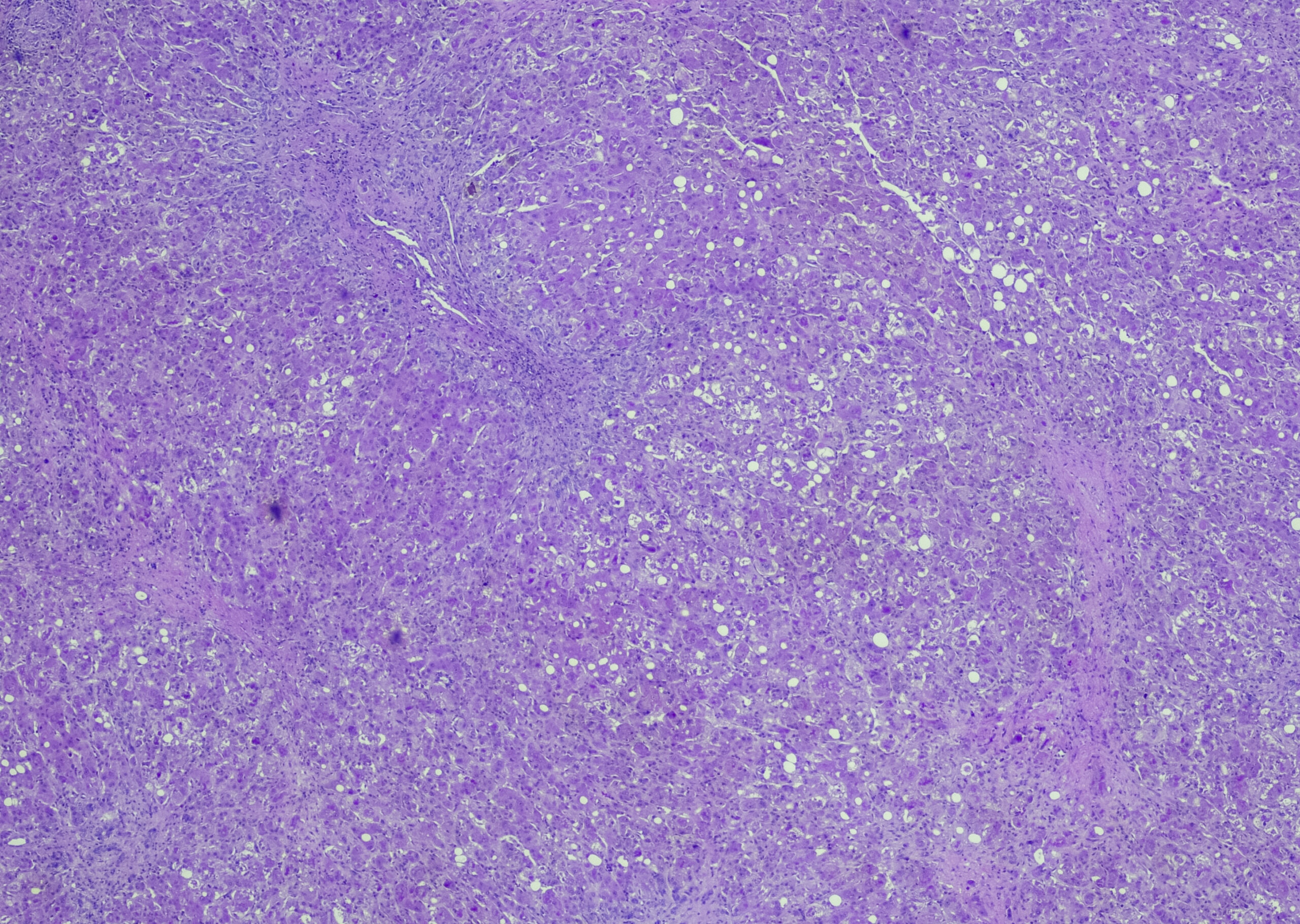
Metabolic-associated steatohepatitis (MASH) was long considered a purely hepatic problem. Today, data from large clinical trials and registries clearly show that cardiovascular disease is the most common cause of death in patients with MASH – ahead of liver failure and hepatocellular carcinoma. With the FDA approval of resmetirome in March 2024 and semaglutide in August 2025, the therapeutic paradigm has fundamentally changed. Both substances not only address liver histology, but also have favorable effects on the cardiometabolic risk profile. This means for cardiology practice: MASH must be recognized, screened and treated as a cardiovascular risk factor in its own right.
Publikation
- CARDIOVASC