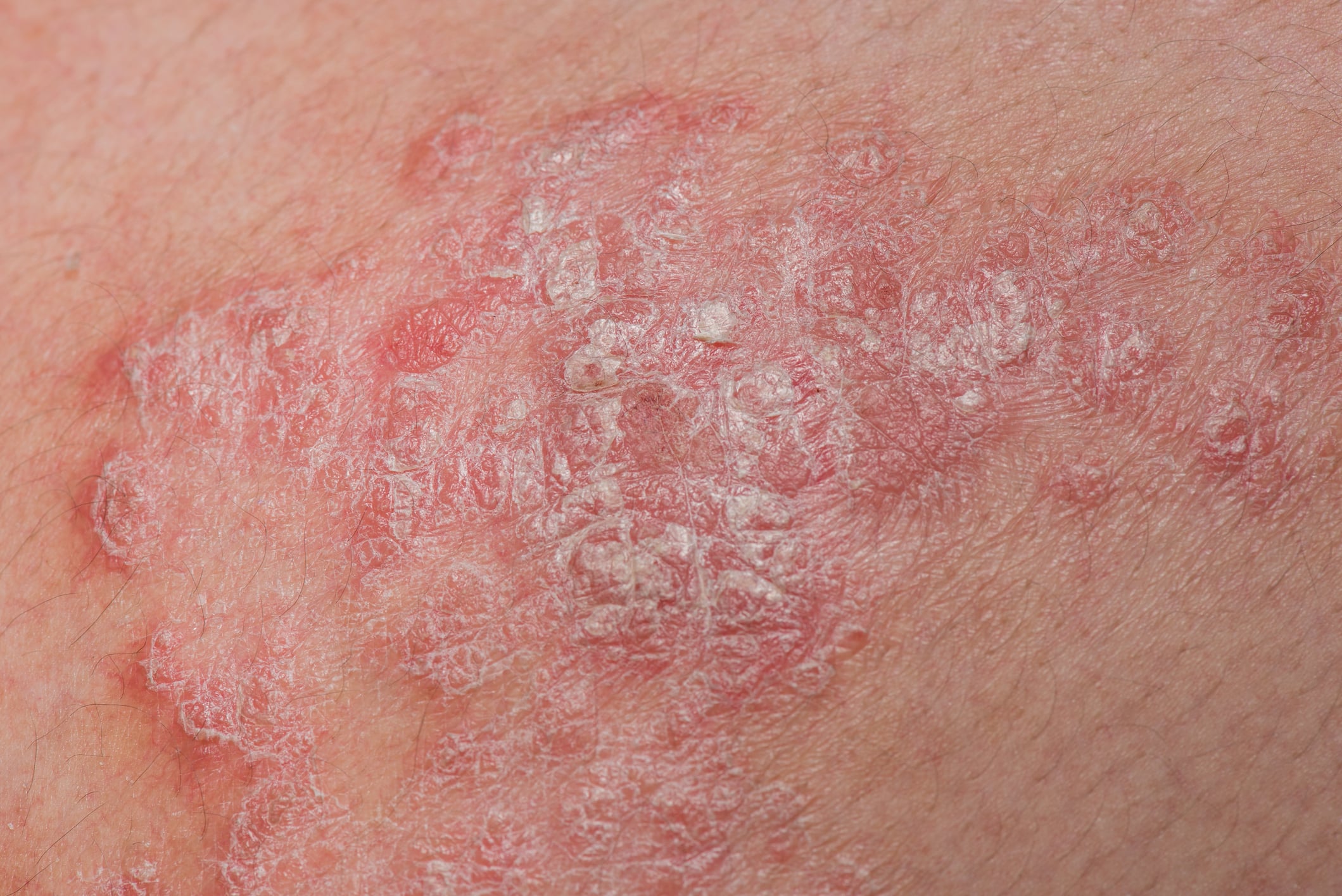
Vulvar pain, itching and burning are common complaints – and often misunderstood. An estimated 10 to 28 percent of all women suffer from vulvodynia in the course of their lives; lichen sclerosus affects around 1.7 percent of the population and is up to 15 times more common than previously diagnosed. Nevertheless, it takes an average of four to seven years for a correct diagnosis to be made. The reason: the overlap between inflammatory dermatoses, functional pain syndromes and oncological precursors requires a systematic clinical assessment, which is often lacking in routine care. The new S3 guideline on lichen sclerosus and a growing body of evidence on the multimodal treatment of vulvodynia offer reliable guidance for the first time.
Autoren
- Tanja Schliebe
Publikation
- GYNÄKOLOGIE PRAXIS
Related Topics
You May Also Like
- Diagnostics, differentiation and multimodal therapy
Vulvar diseases and vulvodynia
- From symptom to diagnosis
Abdominal pain – Prostate lipoma
- Acute pulmonary embolism: new AHA/ACC guideline
Practical recommendations for risk-stratified triage
- Why lipoprotein(a) is the biggest therapeutic vacuum in cardiology
Lp(a): The underestimated risk factor before the turning point
- Modern system therapeutics for hidradenitis suppurativa
Immunological dysregulation in the sights of several biologics and “small molecules”
- Perimenopausal depression, PMDS and tokophobia
Psychosomatics and mental health in gynecology
- Plastic surgery and reconstructive microsurgery for DFS
Functional limb preservation between infection control, vascular medicine and resurfacing
- Proteins in wound healing