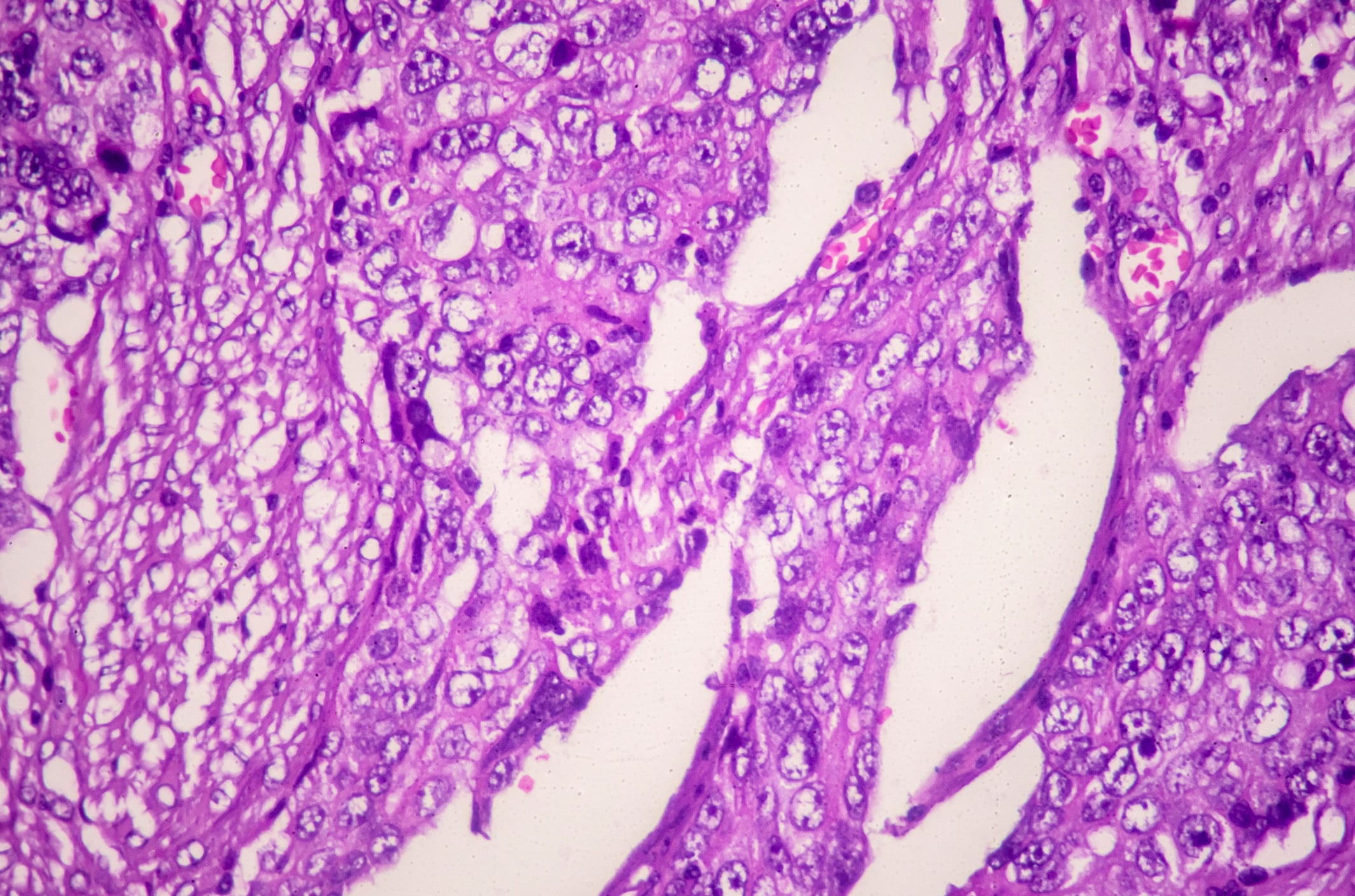
Cutaneous squamous cell carcinoma (cSCC) is currently the second most common type of skin cancer, and the number of cases continues to rise. While surgical resection alone is considered the gold standard for most low-risk tumors, individualized treatment approaches are necessary, particularly for high-risk patients. In terms of risk classification, there are newer approaches that expand upon internationally established classification systems—such as those of the AJCC, NCCN, and BWH by incorporating additional clinical, histological, and patient-related risk factors. This has the potential to have far-reaching implications for optimizing treatment strategies and follow-up care.
Autoren
- Mirjam Peter, M.Sc.
Publikation
- DERMATOLOGIE PRAXIS

Related Topics
You May Also Like
- Orthobiologics for knee osteoarthritis
PRP and hyaluronic acid injections as building blocks in a multimodal concept
- Soft tissue sarcomas of the lower extremity
Diagnostics, subtypes and treatment options
- Psychological dependence on AI assistants, smartphones and short videos
Algorithms, avatars and the unburdened mind
- Psychooncology
Communication as the key to therapy adherence
- The Brain and the Motivation to Eat
Why is it so hard to lose weight?
- Omaveloxolone for Friedreich's Ataxia
Efficacy and Safety Studied Over 6 Years
- Psoriasis: therapy with biologics and TYK-2-i
Progress assessments based on current long-term and real-world data
- Hypertension: the most important facts for daily practice