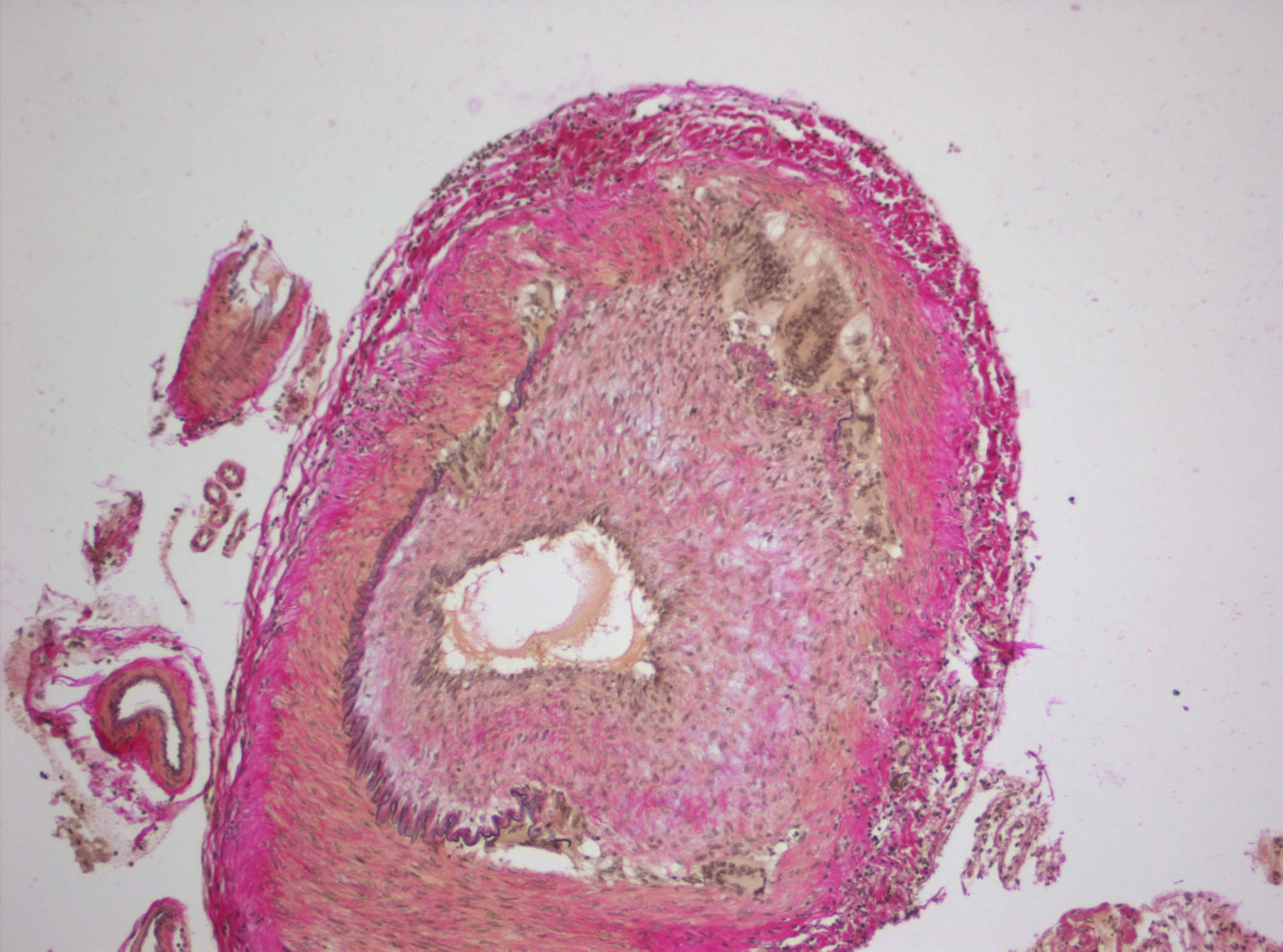
The pathogenesis of rheumatoid arthritis (RA) begins years before clinical manifestation, but not all patients with joint pain develop RA. Since the primary care physician or internist’s office is usually the first point of contact for patients with arthralgia, this level of care plays a crucial role in early detection and triage. Today, there is a robust evidence base and tools derived from it that provide guidance for optimal decision-making. These include, among others, the EULAR/ACR risk stratification criteria published in 2025.
Autoren
- Mirjam Peter, M.Sc.
Publikation
- HAUSARZT PRAXIS
Related Topics
You May Also Like
- Atherosclerotic Coronary Plaques in High-Risk Patients
Who benefits from preventive PCI?
- Colorectal Cancer
Insulin Resistance, Obesity, and Progression
- Modern asthma therapies
New data on biologics and triple therapy
- From symptom to diagnosis
Abdominal Pain – Focal Nodular Hyperplasia
- Clinically Suspected Arthralgias
“Watchful waiting” or intervention?
- Hepatology and Metabolism
The Mediterranean Diet for MASLD/MASH—What the EASL-EASD-EASO Guidelines Specifically Recommend
- Systemic Lupus (SLE): What Does the Diagnosis and Treatment Toolbox Have to Offer?
Treat-to-Target – Consensus Recommendations for GC Tapering and the Use of DMARDs
- PMR and LVV: Current EULAR Recommendations